
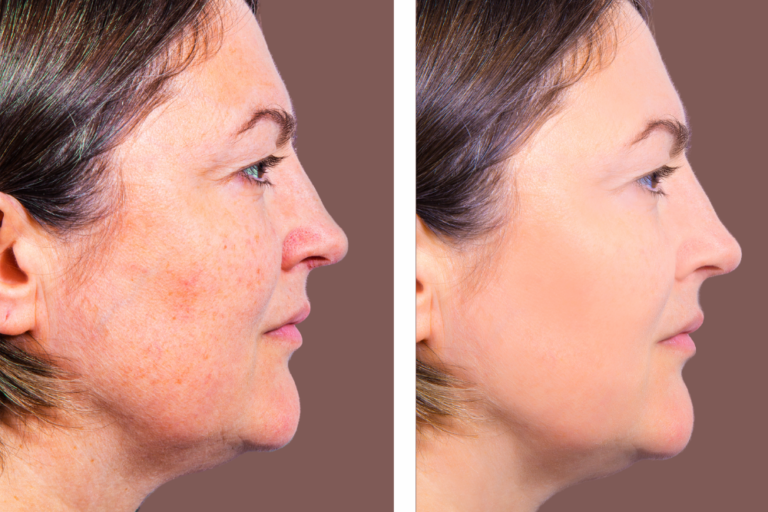

Patients pursue facial rejuvenation treatments to address concerns such as uneven skin texture, discoloration, fine lines, and acne scarring. Providers offer both surgical and non-surgical treatment options depending on the patient’s skin condition and recovery preferences. Halo laser resurfacing is a non-surgical procedure that uses laser technology to target surface-level and deeper skin layers associated with visible signs of aging. The treatment is also used to improve the appearance of scars and areas of uneven pigmentation by stimulating skin renewal and collagen production. Here is more information about what to know about Halo laser resurfacing:
Skin Rejuvenation Methods
Dermatologists and cosmetic providers use laser technology to address skin texture, discoloration, fine lines, and other visible signs of aging. Hybrid laser systems combine multiple wavelengths within a single treatment to target both surface-level and deeper skin layers during the same session. Providers adjust the device settings based on factors such as skin type, treatment area, and the severity of the skin concern being addressed.
During treatment, one wavelength targets the outer layer of skin through controlled resurfacing, while the secondary wavelength penetrates deeper tissue to stimulate collagen remodeling beneath the surface. This dual-action approach allows providers to address concerns related to skin tone, texture, and scarring simultaneously. Treatments may be used for acne scars, uneven pigmentation, sun damage, and age-related skin changes, depending on the patient’s treatment plan and skin condition.
Treatment Target Areas
Sun exposure and environmental factors can contribute to visible skin changes such as wrinkles, uneven pigmentation, and textural irregularities. Providers may recommend Halo laser resurfacing to address these concerns by targeting both superficial and deeper layers of the skin. The treatment uses controlled laser energy to resurface damaged skin, stimulate collagen production, and support the development of new skin cells during the healing process. Halo treatments are also used to improve the appearance of acne scars and other forms of uneven texture.
Common concerns addressed with laser resurfacing often include:
- Fine lines and wrinkles caused by age-related skin changes
- Sun damage and uneven skin pigmentation
- Acne scars and other textural irregularities
- Enlarged pores and rough skin texture
- Areas of uneven tone associated with environmental exposure
- Mild skin laxity related to collagen loss
These treatment areas are evaluated during consultation so providers can customize laser settings based on the patient’s skin condition and treatment goals.
Recovery Time Expectations
Recovery after Halo laser resurfacing involves several stages as the skin heals and renews itself following treatment. Mild swelling and redness commonly occur during the first few days because the laser targets both surface and deeper skin layers during the procedure. Providers typically recommend topical products. They also may use ointments to support healing and reduce irritation while the skin recovers. Patients are also advised to avoid direct sun exposure and follow post-treatment care instructions to protect healing skin and reduce the risk of pigmentation changes.
Schedule a Halo laser resurfacing Appointment
Skin texture, pigmentation, and elasticity can change over time due to aging, environmental exposure, and collagen loss. Medical providers evaluate these concerns during consultation. They develop treatment plans based on the patient’s skin condition, treatment goals, and recovery preferences. Available options may include laser resurfacing and other non-surgical skin rejuvenation procedures. They are designed to address texture irregularities, discoloration, and visible signs of aging. Contact a qualified provider to schedule an evaluation and discuss available skin treatment options.
