
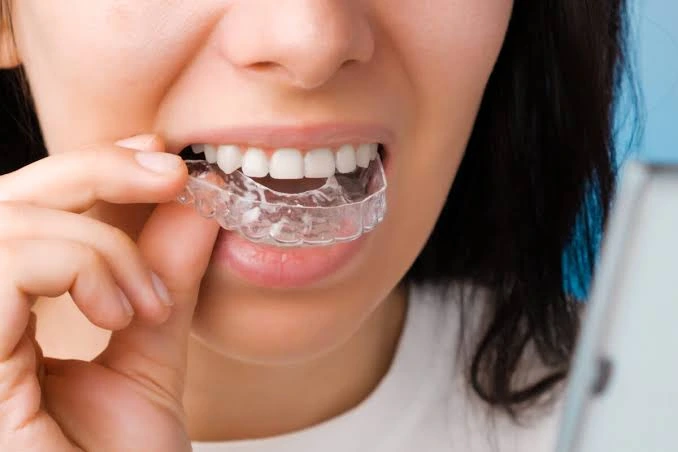

Clear braces are an orthodontic option for straightening teeth and correcting bite issues. Orthodontics is the dental specialty that focuses on how teeth and jaws align. Braces work like traditional metal braces, but their brackets are made from tooth-colored or clear materials. If you need braces, clear braces are one option to discuss.
Components of Clear Braces
Clear braces use the same basic parts as metal braces. Small brackets attach to the front of each tooth, and a thin wire connects them. The brackets are usually made of ceramic, which matches the color of natural teeth. Some systems use clear or tooth-colored wires, and elastic ties hold the wire in place. When the orthodontist adjusts the wire, gentle pressure is applied, and your teeth shift gradually over time.
Orthodontists change the wire at different stages, and each new wire applies a different force. Early wires are thinner and more flexible, and later wires are thicker to refine positioning. The brackets are bonded to the tooth surface with a dental adhesive, which holds them firmly throughout treatment. Some clear brace systems use small rubber bands between upper and lower teeth to correct bite alignment. Your orthodontist will explain if this applies to you.
Stages of Braces Treatment
Clear braces treatment moves through a few clear stages, and knowing what to expect at each one can help you be prepared from your first visit to your last.
Consultation and Bonding
Treatment starts with a dental consultation. During this visit, the orthodontist examines your teeth, takes X-rays, and may create digital scans or impressions. These records show how your teeth and jaw align and guide your treatment plan. The orthodontist also checks for cavities or gum problems that need care first. You can ask questions about cost and timing, and the orthodontist will explain your options. Before bonding, the orthodontist cleans and prepares each tooth surface. This step helps the adhesive bond securely, and it takes only a few minutes per tooth.
Adjustments, Timeline, and Retainers
At each visit, the orthodontist tightens or changes the wire, while new elastic ties go on. The orthodontist also checks that brackets are still firmly bonded and repairs any that have come loose. Some soreness may occur after adjustments. It usually eases within two to three days. Over-the-counter pain relievers may help, and soft foods like yogurt or mashed potatoes make eating more comfortable.
Habits for Braces Care
Daily oral hygiene protects your teeth during treatment. Food can collect around brackets, so brush after meals and before bed. Use a soft toothbrush and fluoride toothpaste, and angle the bristles toward the gumline to clean under the wire. Floss once a day with a floss threader or water flosser, which can reach under the wire. A fluoride mouth rinse used once a day adds protection and helps strengthen enamel that is harder to reach with a brush. Keep your regular dental cleanings throughout treatment, as professional cleanings remove buildup that brushing alone may miss. Your dentist can also monitor enamel health since catching early signs of decalcification matters.
Schedule Your Clear Braces Consultation
Clear braces offer a less visible way to align your teeth. They require the same care as metal braces, and treatment follows a similar process. Treatment time, cost, and care needs vary by person. A dental consultation is the first step. When you meet with an orthodontist, ask whether braces suit your needs. Contact your office today to book your appointment.
