
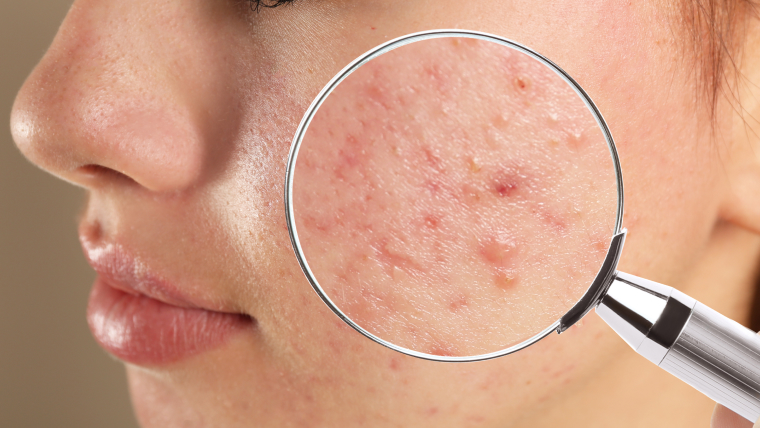

The skin is the largest organ in the body, and it sometimes reflects what’s happening beneath the surface. When something goes wrong, a stubborn rash, an unusual mole, or persistent breakouts, a dermatologist can help. This branch of medicine focuses entirely on the skin and related structures such as hair and nails. Here is more information on what dermatology is, the conditions it addresses, their common causes, and the available treatments:
What Is Dermatology?
Dermatology is the medical specialty that deals with the diagnosis and treatment of conditions affecting the skin, hair, and nails. A dermatologist is a doctor trained to identify and manage these conditions through medical, surgical, and cosmetic methods, and they handle everything from minor irritations to serious illnesses such as skin cancer. Patients can visit a dermatologist for both health concerns and aesthetic goals, potentially improving their quality of life.
What Are Skin Conditions?
Skin conditions are disorders that affect the appearance, texture, or function of the skin. Some are temporary and clear up on their own, while others are chronic and require ongoing management. Symptoms range from redness and itching to swelling, scaling, and pain. A condition may be limited to one area or spread across the body, affecting multiples systems at once.
The severity of skin conditions varies widely, necessitating a comprehensive medical evaluation. A mild rash may cause minor discomfort, while a condition like skin cancer threatens overall health. Recognizing changes in the skin early gives patients a chance at effective treatment.
What Are the Different Types?
Skin conditions come in many forms, each with distinct characteristics. These conditions include:
- Moles: Small growths that can sometimes signal skin cancer.
- Psoriasis: A chronic condition that causes thick, scaly patches.
- Rosacea: A condition marked by facial redness and visible blood vessels.
- Acne: A widespread condition where clogged pores lead to pimples.
- Rash: A broad term for areas of irritated or inflamed skin.
- Skin cancer: The abnormal growth of skin cells.
Each of these conditions presents differently from one person to the next. A dermatologist examines symptoms to determine which condition a patient has. This diagnosis guides the treatment plan that follows.
What Causes Them?
The causes of skin conditions are varied, and they may often overlap. Genetics plays a major role, with conditions like psoriasis and rosacea frequently running in families. Environmental factors, such as sun exposure, pollution, and harsh weather, also contribute to skin damage over time. Lifestyle habits, including diet, can trigger or worsen certain conditions.
How Are They Treated?
Treatment depends on the specific condition, its severity, and the patient’s overall health, which a dermatologist assesses. These healthcare professionals rely on a range of approaches, from topical creams to advanced surgical procedures. For mild conditions, they prescribe medicated ointments or recommend changes to skincare routines, while more serious cases may call for oral medications, laser therapy, or removal of affected tissue.
A typical treatment plan begins with a thorough examination and diagnosis. The dermatologist then explains the treatment options, and they tailor the plan to each patient’s needs. Some conditions clear up after a single course of treatment, while chronic ones require long-term care. Regular follow-up visits allow the dermatologist to track progress, enabling adjustments to the approach as needed.
Treat Your Skin Condition Today
Dermatology offers reliable solutions for a wide spectrum of skin concerns, and understanding these conditions, their causes, and the treatments available helps you care for your skin. Early action may lead to better outcomes. If you’re dealing with a skin condition, book an appointment with a qualified dermatologist.
