
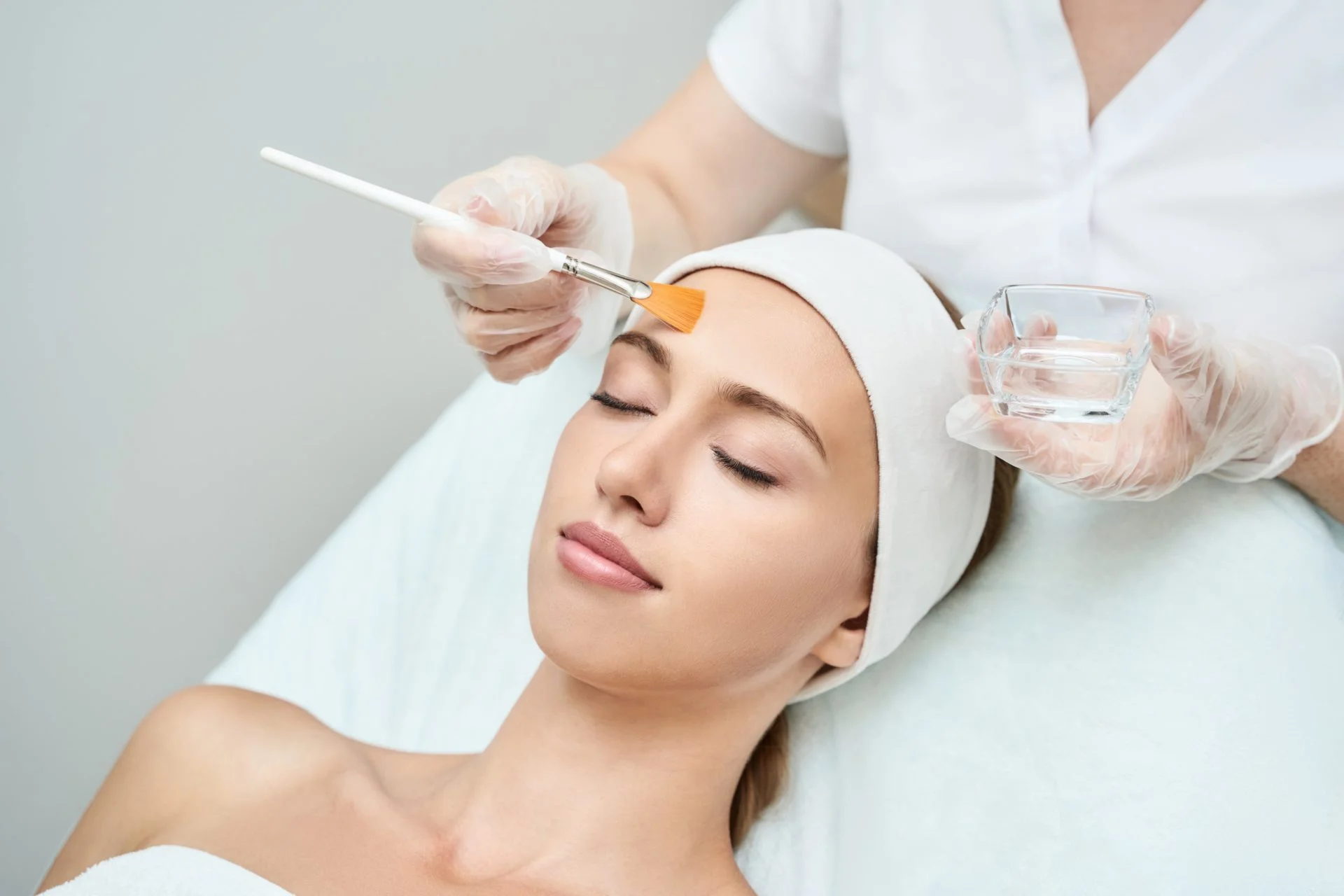

Chemical peels rely on a controlled process to refresh the surface of your skin. A peel applies a specific solution that removes damaged outer layers, which then prompts the skin underneath to renew. As the skin heals, it gradually replaces the treated area with fresher, healthier cells; this can result in an improved overall texture and tone. Here’s more information about the underlying science of chemical peels:
Exploring Peel Solutions
A chemical peel applies an acid-based solution to the skin for a measured period of time. The solution loosens the bonds between cells in the outer layers, and those weakened cells begin to shed. Once the older surface lifts away, the skin replaces it with newer tissue, which forms the foundation of the renewal process.
Different acids reach different depths, so the chosen formula shapes the outcome. Possible options include:
- Mandelic Acid: An alpha hydroxy acid (AHA) that gently exfoliates the skin. Suitable for sensitive skin and helps improve mild acne, uneven tone, and fine texture.
- Glycolic Acid: A small-molecule AHA that penetrates deeply into the skin. Exfoliates dead cells, brightens complexion, and reduces signs of aging such as fine lines and pigmentation.
- Trichloroacetic Acid (TCA): A stronger chemical peeling agent used in medium-depth to deep peels. Treats more pronounced skin concerns like sun damage, wrinkles, and acne scarring by removing damaged outer skin layers to stimulate regeneration.
- VI Peel: A branded medium-depth chemical peel blend of acids and active ingredients. Designed to improve skin tone, texture, acne, and pigmentation with relatively minimal downtime compared to more aggressive peels.
Understanding Peel Strengths
Practitioners may group chemical peels into three broad categories, and each category reflects how deeply the solution penetrates. The strength your provider recommends depends on your skin type, the concern you want to address, and the recovery time that fits your schedule. Lighter peels generally follow a shorter process, while deeper peels may require a more involved timeline and careful planning. The three categories include:
- Light Peels: Work on the outermost layer, known as the epidermis, and rely on milder acids to target surface texture and uneven tone.
- Medium Peels: Reach the upper part of the dermis, the layer beneath the surface, and use stronger solutions to address more noticeable texture concerns.
- Deep Peels: Penetrate further into the dermis, draw on the most concentrated formulas, and require careful supervision throughout.
Following Renewal Steps
After a chemical peel removes the outer cells, your skin begins its natural renewal cycle. The body produces fresh cells to replace those that shed, and the surface gradually rebuilds over the following days. This turnover happens continuously in everyday life, but a peel speeds the shedding step so replacement follows more quickly. As the skin renews, activity may increase in the deeper layers as well. Because the process unfolds gradually, the overall result builds across the weeks that follow rather than appearing all at once.
Navigating Each Session
During a typical session, your provider cleanses the area and then applies the solution evenly across the skin. The solution stays in place for a set period, often only a few minutes, before the provider neutralizes or removes it. You may notice a tingling or warm sensation while the peel works; the exact timing varies with the strength your provider selects.
Recovery depends on the depth of the peel, so the timeline shifts from one type to another. Light peels often involve mild flaking over a few days, while medium and deep peels bring more visible shedding across a longer window. Sun protection is key throughout this stage, as freshly exposed skin needs shielding. Your provider can outline how to cleanse, moisturize, and avoid direct sun while the skin renews.
Learn More About Chemical Peels
Chemical peels combine a controlled chemical process with your skin’s natural renewal cycle to refresh the surface. The science remains consistent, yet the right approach depends on your skin, goals, and overall schedule. To learn which option suits you, schedule a consultation with a qualified provider who assesses your skin and outlines a clear plan.
