
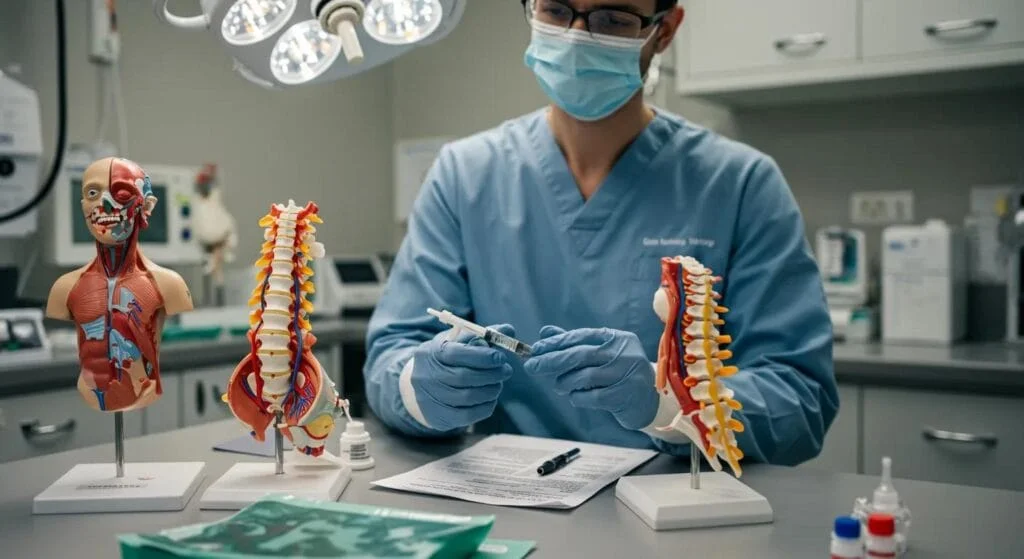

Patients dealing with these persistent conditions may seek alternatives to long-term medication use. Regenerative medicine offers a specialized medical approach focused on the body’s innate ability to repair damaged tissues. This branch of medicine extracts specific cells and biochemicals to treat underlying injuries at the cellular level. Medical professionals utilize these treatments to address numerous structural conditions. By reducing inflammation and accelerating tissue repair, these procedures present an alternative to traditional surgical interventions for some patients.
Exosomes
Exosomes operate as tiny fluid-filled sacs that are released by various cells. These microscopic structures contain concentrated biological materials like RNA, DNA, and specific proteins. Upon release, they are absorbed into neighboring cells to facilitate complex intercellular communication. The transferred genetic information and proteins activate specific biological pathways that accelerate tissue repair. They function by triggering localized stem cell production, reducing inflammation, and stimulating cellular metabolism.
Because they do not contain live cells, they carry a low risk of immune rejection. Medical practitioners typically administer exosome regenerative medicine treatments through a controlled intravenous infusion. The materials may be extracted from donated placental tissue. This tissue undergoes strict laboratory processing and screening for absolute purity and safety before clinical use. The resulting purified exosomes deliver concentrated healing signals directly to inflamed or damaged tissues throughout the body.
Stem Cells
Stem cells act as the primary regenerative components within the human body. They possess the unique capacity to continuously self-replicate and develop into virtually any type of tissue needed for healing. Physicians harvest these adult stem cells directly from the patient, eliminating the risk of tissue rejection. The most common extraction sites include bone marrow from the hip or tibia, as well as structurally rich adipose tissue. A medical provider uses a specialized hollow needle to withdraw the bone marrow or employs gentle liposuction techniques to remove small amounts of excess fat.
Following extraction, the biological material undergoes immediate processing. Once concentrated, the provider immediately injects the stem cells into the specific site of injury or degenerative disease. This precise placement prompts targeted tissue repair, which allows the newly introduced cells to begin multiplying and rebuilding the damaged area.
Ozone Therapy
Ozone consists of a highly reactive, potent form of oxygen that is utilized for its distinct therapeutic properties. Medical application of ozone serves to eliminate bacteria and relieve localized pain. It functions as a powerful regenerative treatment, stimulating new cell growth and triggering natural healing cascades. Practitioners utilize ozone therapy for multiple complex health conditions. These include fibromyalgia, chronic fatigue, deep muscle pain, and the persistent symptoms associated with Lyme disease.
Delivery methods vary based on the specific condition being treated. Providers can administer it through a specialized intravenous infusion. One advanced method involves highly concentrated 10-pass ozone therapy, which repeatedly mixes the patient’s blood with ozone before returning it to the body. Medical staff can also apply ozone gas directly to a wound or infection under a sealed protective covering, promoting rapid external healing.
Seek Professional Regenerative Medicine Services
Individuals experiencing chronic pain should consult a qualified physician to determine which specific modality aligns with their medical history and physical limitations. A thorough medical evaluation helps identify the precise source of the pain and guides the development of a tailored treatment plan. Engaging with a medical specialist provides access to advanced extraction techniques and safe treatment environments. Seeking guidance from trained professionals guarantees that the chosen therapies match the specific biological needs of the patient, ultimately supporting the recovery process.
