
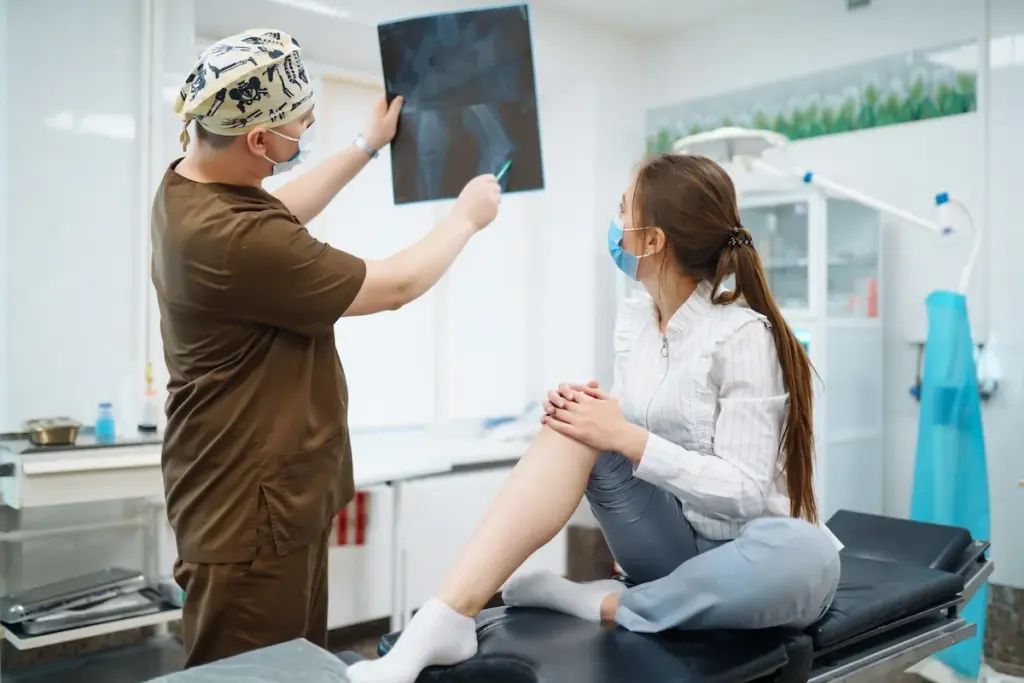

Pain may affect movement, work, sleep, and other parts of daily life. Pain management includes different treatment options for chronic conditions and acute injuries, including physical therapy and interventional procedures. A specialist is able to evaluate the source of discomfort and develop a treatment plan based on individual needs and diagnostic findings. Here is more information about effective strategies for pain managment in daily life:
Moving Your Body Daily
Regular movement may form part of a broader pain management plan based on individual needs and physical abilities. Low-impact activities such as walking and stretching provide options for incorporating movement into a daily routine. Patients should follow recommendations from their healthcare provider or physical therapist regarding appropriate activities and intensity levels. Changes in pain during or after physical activity should be discussed with a qualified provider as part of ongoing treatment planning.
Resting and Recovering Well
Sleep and rest form part of daily routines that patients may discuss within a broader care plan. Establishing a consistent bedtime routine provides structure around sleep, and patients are able to adjust their sleeping environment based on personal preferences. Keeping the bedroom dark, limiting distractions, and maintaining regular sleep times are examples of habits patients may explore.
Balancing physical activity with periods of rest also provides a structured approach to daily movement. Patients may incorporate breaks between activities based on their comfort level and treatment recommendations. A pain management provider can discuss sleep, activity, and recovery habits within the context of the patient’s individual condition and care plan.
Managing Your Mindset
Stress and emotional responses may influence how individuals experience and manage ongoing discomfort. Relaxation practices such as deep breathing, meditation, guided imagery, or journaling provide different approaches for addressing stress within a daily routine. Patients are also able to discuss pain-related experiences with friends, family members, or a counselor as part of their support system. A pain management provider can discuss stress management strategies within the context of the patient’s individual condition and treatment plan.
Adjusting Your Environment
Changes to home and work environments are able to form part of an individualized approach to managing discomfort during daily activities. Patients can evaluate factors such as seating, posture, screen placement, and the location of frequently used items. An ergonomic setup is able to include positioning the screen near eye level and adjusting the chair so both feet rest comfortably on the floor.
Regular changes in position also provide opportunities to vary movement throughout the day. Patients are able to incorporate standing or movement breaks based on their physical abilities, comfort level, and provider recommendations. A pain specialist can discuss workplace or home adjustments within the context of the patient’s condition and broader treatment plan.
Seek Professional Care
Professional management begins with an evaluation of symptoms, medical history, and individual treatment needs. Specialists use this information to discuss available treatment options, which may include nerve blocks, radiofrequency ablation, neuromodulation, or regenerative medicine when appropriate. Treatment plans vary based on the underlying condition and findings from the evaluation. Follow-up appointments provide opportunities to review symptoms, discuss treatment responses, and adjust the care plan based on individual needs.
Schedule a Pain Management Consultation
Pain management may involve daily habits and professional treatment based on individual needs. Movement, rest, stress management, and environmental adjustments provide areas to discuss within a broader care plan. A pain specialist evaluates symptoms and medical history before discussing available nonsurgical treatment options. Schedule an appointment with a pain management specialist today to discuss an individualized approach to your care.
