
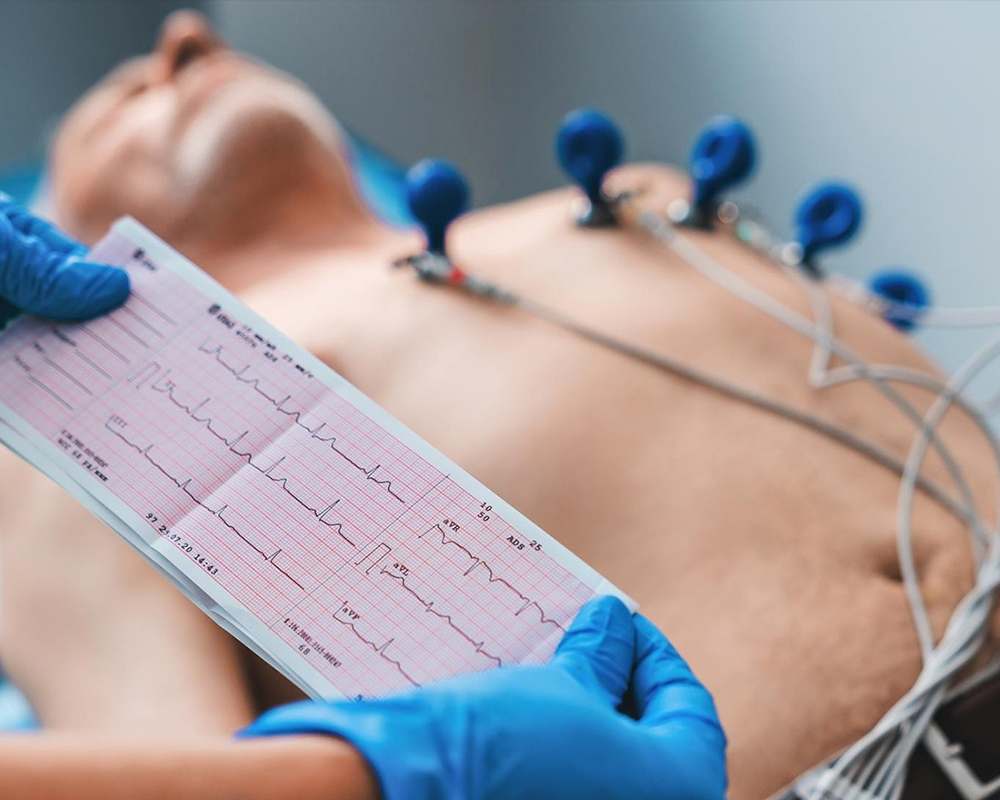

An EKG is a diagnostic test used to evaluate the heart’s electrical activity and identify signs of rhythm changes or other cardiac concerns. It is a quick and noninvasive procedure often performed during routine checkups or pre-treatment assessments. Here are the key things to expect during an EKG:
Understanding EKG Needs
An EKG, or electrocardiogram, is a diagnostic tool used by healthcare providers to evaluate various aspects of heart function. Here are some common reasons a doctor may order an EKG:
- Detection of Arrhythmias: To identify irregular heart rhythms that may indicate underlying conditions.
- Evaluation of Chest Pain: To assess potential causes of chest discomfort, including heart attack or angina.
- Monitoring Heart Health: To track changes in heart activity in patients with preexisting cardiovascular conditions.
- Identifying Electrolyte Imbalances: To detect abnormalities in electrolyte levels that can influence heart function.
- Preoperative Assessment: To make sure the heart is functioning adequately before undergoing surgery.
Understanding the purpose of an EKG can demystify the process and emphasize its value as a diagnostic tool in cardiology.
Preparing for the Appointment
Preparing for an EKG requires minimal effort from the patient. You should wear comfortable clothing to your appointment; you may need to remove a shirt or blouse for the test. The technician needs clear access to your chest, arms, and legs to accurately place the testing sensors.
Avoid applying heavy lotions or skin creams on the day of your visit. Lotions can prevent sensors from sticking to your skin, which can disrupt electrical readings and alter results. A clean skin surface allows the equipment to capture accurate data, and it prevents unnecessary delays during your appointment. You do not need to fast, but you may want to limit excessive caffeine intake if it typically alters your resting heart rate. Your doctor will provide specific guidelines if you need to adjust any daily medications before the evaluation.
Going Through the Test
During an EKG test, several steps are followed to promote accurate readings and a comfortable experience for the patient. Here is a summary of what generally occurs during the procedure:
- Preparation of the Skin: The healthcare provider will clean the areas of your skin where electrodes will be placed, sometimes shaving small patches if necessary to improve contact.
- Placement of Electrodes: Small and adhesive patches with attached leads are placed on specific points on your chest, arms, and legs to monitor electrical activity.
- Connection to the Machine: The leads are connected to the EKG machine, which records electrical signals from your heart.
- Recording the Heart Activity: You will be asked to remain still while the machine captures the data.
- Completion and Electrode Removal: Once the test is finished, the electrodes are removed, and the provider makes sure your skin is clean and undamaged.
The process is generally quick, non-invasive, and painless, allowing your doctor to efficiently evaluate your heart’s electrical function.
Reviewing the Next Steps
You can return to your regular daily activities as soon as the test concludes. The procedure requires no recovery time, and you will not experience any lingering physical side effects. The technician wipes away any leftover adhesive, and you can get dressed immediately after the appointment. Your doctor will carefully review the visual patterns generated by the EKG computer. They may discuss the results with you during the same visit, or they may call you a few days later.
Book Your EKG Appointment Today
An EKG is a fundamental step in proactive heart care. The quick and painless nature of the test makes it an accessible option for evaluating your cardiovascular function. Your medical team will guide you through the process, and they will answer any questions you have regarding the procedure. Contact a qualified healthcare provider near you to book your EKG appointment today.
