
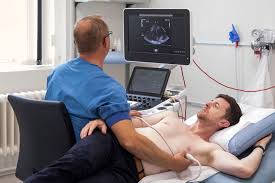

An echocardiogram is a noninvasive imaging test that uses sound waves to evaluate the heart’s structure, function, and blood flow. Regular echocardiograms help healthcare providers monitor existing heart conditions and guide treatment decisions when needed. Here is a closer look at the benefits of regular echocardiograms for heart health:
Monitoring Heart Function
Your heart has valves, chambers, and walls that all work together. An echocardiogram lets your doctor see each of these parts. It also measures how forcefully your heart pumps blood with each beat. The images appear on a screen in real time, which means your care team can spot changes that other tests may miss. If you have heart disease or a past heart attack, your heart muscle may have weak spots, and an echocardiogram shows them clearly. The test also checks blood flow, so your doctor can tell whether your valves open and close the way they should.
Detecting Changes Early
Some heart problems develop slowly; an echocardiogram can detect small changes in your heart’s shape or pumping power. Early detection gives you and your doctor more time to act. Several warning signs may lead your doctor to order this test. Here are some of them:
- Chest pain: The test checks blood flow and looks for stress on the heart muscle.
- Shortness of breath: Images can reveal whether your heart pumps with enough force.
- Leg swelling: Fluid buildup may point to pumping trouble, which the test can explain.
- Palpitations: A racing or fluttering heartbeat may link to valve or rhythm issues seen on screen.
- High blood pressure concerns: The test shows whether pressure has thickened your heart walls.
These findings guide your next steps, and they help your doctor decide whether you need closer monitoring or prompt treatment.
Supporting Care Decisions
A clear picture often leads to better choices. When your doctor sees your heart in detail, they can confirm a diagnosis, and they can rule out problems that may not apply to you. An echocardiogram often works alongside other tests, but it adds detail that blood work and basic scans cannot show.
This information influences your treatment plan. If you have atrial fibrillation, the test can show how your heart chambers move, and that helps your doctor pick the right medicine or procedure. For people with high blood pressure, the images reveal whether the heart has changed, so your care team can adjust your plan before problems grow. The test also helps your doctor measure how safe a treatment may be. Some medicines and procedures depend on how well your heart pumps, and an echocardiogram provides the numbers your doctor needs.
Tracking Long-Term Progress
When you repeat an echocardiogram over time, your doctor can compare the results and determine whether your heart is stable, improving, or changing. Regular testing supports your care in several practical ways. Here are some of them:
- Measure treatment results: Your doctor can see whether your medicine is working as planned.
- Catch new changes early: Fresh images may reveal changes that need quick attention.
- Adjust your plan: Updated numbers let your care team fine-tune doses or next steps.
- Build a clear record: A history of scans gives doctors a strong starting point.
Regular tracking helps patients and healthcare providers make informed decisions and maintain effective, proactive care.
Book Your Echocardiogram Appointment
Regular echocardiograms play a significant role in managing your heart health. It tracks the effectiveness of your current treatment, identifies changes early, and allows your care team to optimize your plan as needed. These scans promote a comprehensive approach to your long-term well-being by creating a consistent record of your heart’s condition. Contact a qualified cardiologist in your area to book your echocardiogram appointment today.
