
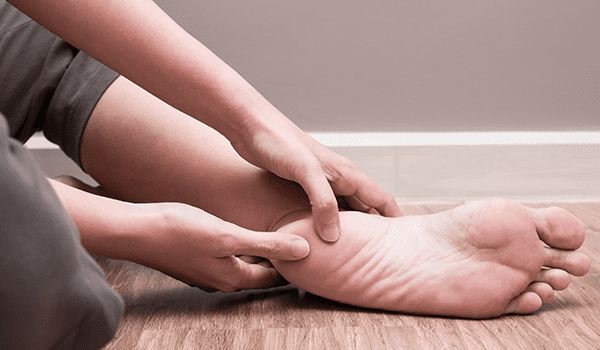

Heel pain is a common orthopedic condition, and it is caused by issues such as plantar fasciitis, Achilles tendinopathy, or bone spurs. When the symptom is left unmanaged, it can limit mobility and disrupt everyday activities. Management options range from physical therapy and orthotics to cortisone injections. Here is more information on heel pain, how it affects daily life, and what to do about it:
What Is Heel Pain?
Heel pain refers to discomfort that occurs at the back or underside of the foot, typically centered around the heel bone (calcaneus). The pain may peak in the morning or after extended periods of rest, then subside with movement before returning after prolonged activity. Some patients experience localized tenderness, while others report a burning or throbbing sensation that radiates into the arch or ankle.
What Causes It?
Plantar fasciitis is a common cause, occurring when the band of tissue connecting the heel bone to the toes becomes inflamed. Achilles tendinopathy involves irritation or degeneration of the Achilles tendon, and it is another common cause, particularly in active individuals. Additional causes i nclude heel bursitis, stress fractures, and the growth of bony protrusions known as heel spurs.
Certain risk factors increase susceptibility to these conditions; prolonged standing on hard surfaces, wearing unsupportive footwear, and carrying excess body weight all place added stress on the heel. Age also plays a role. The fat pad that cushions the heel naturally thins over time, reducing its ability to absorb impact.
How Is Daily Life Affected?
The effects of heel pain extend beyond physical discomfort. Routine activities, including walking to the kitchen, climbing stairs, and standing during a commute, can become challenging, affecting mobility. Individuals may alter their gait to avoid pain, and this can lead to secondary issues in the knees, hips, and lower back.
Sleep quality can deteriorate. Patients who experience nighttime pain or morning stiffness may find it difficult to rest fully, leading to daytime fatigue. When heel pain goes unaddressed, the compounding effects on physical well-being have the potential to be significant, but consulting a healthcare professional provides effective managment strategies.
What Are the Management Options?
A range of non-surgical and surgical options exists for managing heel pain. The appropriate course of treatment depends on the underlying cause and severity of symptoms.
- Physical therapy: Targeted stretching and strengthening exercises reduce tension on the plantar fascia and Achilles tendon.
- Medications: Nonsteroidal anti-inflammatory drugs (NSAIDs) are commonly used to reduce inflammation and relieve short-term discomfort.
- Bracing: A supportive brace holds the foot in position, gently stretching the plantar fascia.
- Customized orthotic inserts: Prescription orthotics are designed to redistribute pressure across the foot, correct biomechanical abnormalities, and provide targeted arch support.
- Cortisone shots: Corticosteroid injections deliver anti-inflammatory medication directly to the affected area.
Patients may respond well to conservative treatment. When symptoms persist despite these measures, surgical evaluation may be warranted. Orthopedic surgeons will assess whether surgery is appropriate.
Address Your Pain Today
Heel pain may respond well to early, targeted treatment. The longer symptoms go unaddressed, the greater the risk of compensatory injury and prolonged recovery. Whether your discomfort is mild or significantly limiting your daily activities, an orthopedic evaluation can identify the precise cause, and a specialist will guide you on the most effective management strategy. Speak with your orthopedic specialist to discuss your symptoms and develop a treatment plan suited to your condition.
