
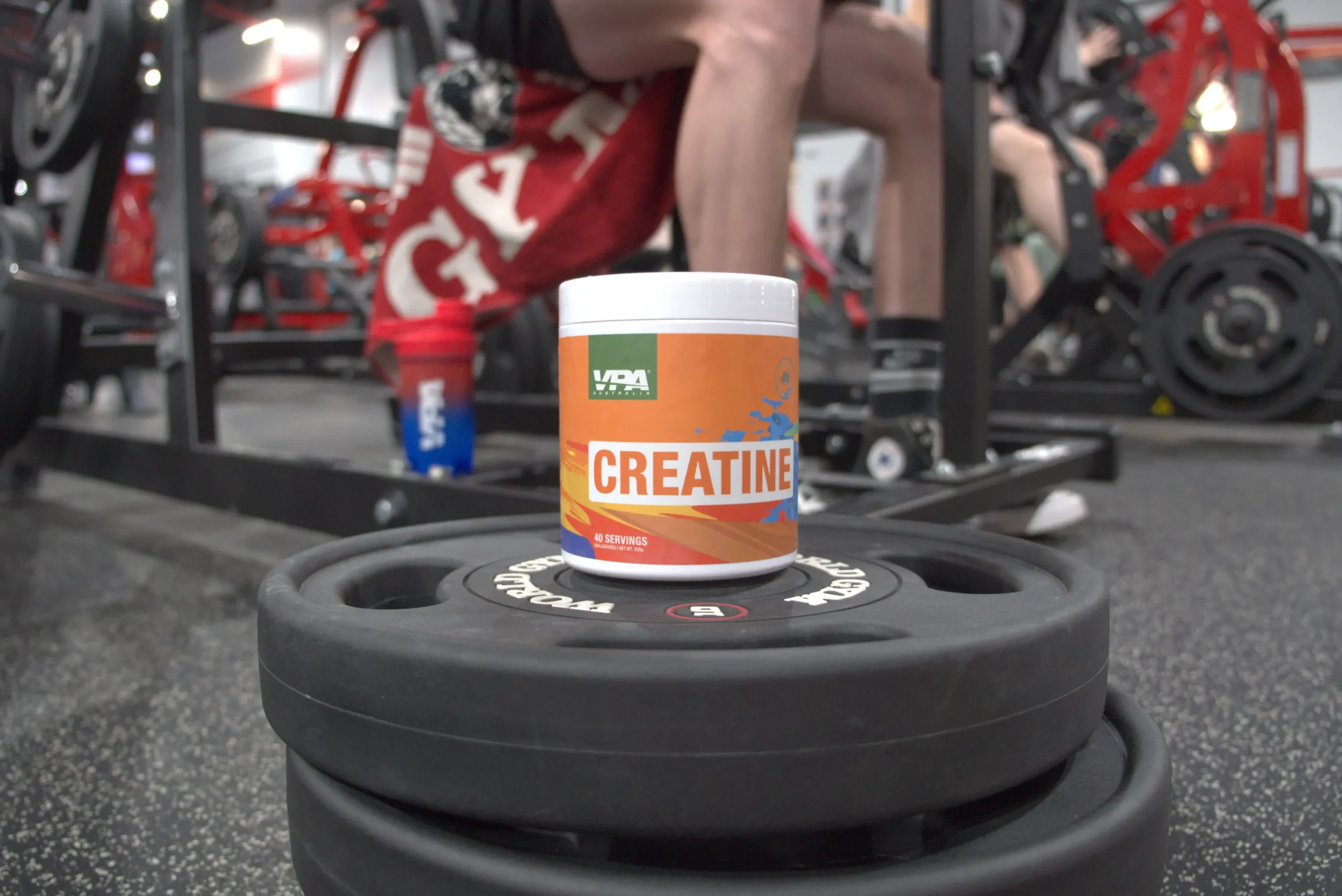

Walk into any gym around the country and you’ll hear blokes and blokes-in-training swapping tips on the “best” supplement stack. Nine times out of ten, creatine comes up in that conversation, and for good reason. It’s one of the most researched sports supplements on the planet, it’s cheap per serve, and it actually does what it says on the tin. But with so many brands lining supermarket and pharmacy shelves, working out which tub is worth your hard-earned dollars can feel like a maze.
This guide breaks down what creatine actually is, why Aussies training in everything from Crossfit boxes to footy pre-season are using it, and most importantly, how to spot a genuinely good product from a dud one.
What Exactly Is Creatine Monohydrate?
Creatine is a compound your body already makes in small amounts, stored mostly in your skeletal muscle. It’s also found naturally in foods like red meat and fish, though not in quantities high enough to meaningfully shift your performance. That’s where supplementation comes in.
Once in the muscle, creatine helps regenerate ATP (adenosine triphosphate), which is essentially the fuel your muscles burn during short, intense bursts of effort: think heavy squats, sprints, or the last few reps of a set that really test you. More available ATP means you can push a little harder, recover a little faster between sets, and over time, that adds up to real gains in strength and lean muscle.
Unlike a lot of supplements that lean heavily on marketing spin, creatine monohydrate has decades of research behind it, making it one of the few products in the industry that consistently backs up its claims.
Why So Many Australians Are Adding It to Their Routine
You don’t need to be a professional athlete to benefit. Whether you’re a weekend warrior, a triathlete building endurance, or someone just trying to get stronger in the gym twice a week, creatine can support:
- Improved strength and power output during resistance training
- Faster recovery between sets and sessions
- Better performance in repeated high-intensity efforts (sprints, HIIT, footy training)
- Support for lean muscle growth over time when paired with resistance training
It’s worth remembering that everyone’s body responds a little differently. Genetics, diet, training history and baseline creatine stores all play a role in how noticeable the results will be for you personally.
How to Choose a Quality Creatine Product
This is where most people get tripped up. Flashy packaging and bold claims don’t necessarily mean a superior product. Here’s what actually matters when comparing options on the shelf or online.
1. Check the Purity
Flip the tub around and look at the ingredients panel. The best products list a single ingredient: creatine monohydrate. No fillers, no proprietary blends, no mystery additives. Anything claiming to be “enhanced” with a long list of extras is usually padding out the formula rather than improving it.
2. Look for Micronised Powder
Micronised creatine has been processed into much finer particles than standard creatine. This makes it dissolve more easily in water, milk or your protein shake, without that gritty, chalky texture some cheaper brands are known for.
3. Third-Party Testing Matters
Independent testing and certification (such as Creapure® or HASTA-tested products) gives you confidence that what’s on the label is actually what’s in the tub, and that it’s free from banned or contaminated substances. This is particularly important if you compete in a sport with drug testing.
4. Work Out the Cost Per Serve
Don’t just look at the sticker price. A $60 tub that lasts three months might work out cheaper per serve than a $30 tub that runs out in three weeks. Most quality creatine monohydrate products deliver around 50 serves per 250g tub, based on a standard 5g daily dose.
Comparing Your Options at a Glance
| Factor | What to Look For | Why It Matters |
| Purity | 100% creatine monohydrate, no fillers | Ensures you’re getting a full, effective dose |
| Particle size | Micronised | Better mixability, easier on digestion |
| Testing | Third-party or HASTA tested | Confirms label accuracy and safety |
| Cost per serve | Roughly 70–90c per 5g serve | Best long-term value |
| Loading phase | Not required with consistent daily use | Simpler, more sustainable routine |
Do You Need a Loading Phase?
Traditionally, some protocols recommend a “loading phase” of around 20g per day split into smaller doses for the first week, followed by a lower maintenance dose. While this can saturate your muscles a little faster, it isn’t essential. A steady daily dose of 3–5g will get you to the same saturation point within about three to four weeks, without the higher initial intake or the mild bloating some people experience during loading.
Common Questions Worth Addressing
A few concerns tend to come up again and again when people are new to supplementing with creatine.
Will it cause bloating? Some people notice mild water retention, particularly in the first week or two. This typically settles down and isn’t cause for concern.
Can women take it? Absolutely. Creatine isn’t a “bloke’s supplement”; it supports strength, lean muscle and recovery for anyone doing resistance training, regardless of gender.
When’s the best time to take it? Timing matters less than consistency. Many people take it post-workout with a protein shake or carbohydrate source, though taking it any time of day works just as well as long as you’re consistent.
Making the Right Choice for Your Training
At the end of the day, the “best” creatine monohydrate isn’t necessarily the most expensive or the most heavily marketed. It’s the one that’s pure, third-party tested, easy to mix into your routine, and priced fairly for the value it delivers. If you’re after a clear breakdown of what to check on the label before you buy, this guide for buy creatine monohydrate is a solid place to start comparing your options properly.
Whatever brand you land on, remember that creatine works best as part of a consistent training routine and a solid diet. It’s a support tool, not a magic bullet. Stay consistent with your dosage, give it a few weeks to show results, and you’ll likely find it earns its spot as a permanent fixture in your supplement cupboard.
