
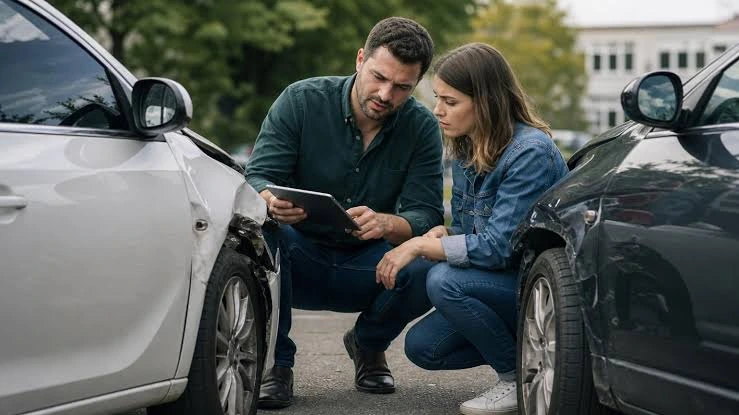

Florida’s 2023 tort reform did not just tweak a few court procedures. It fundamentally changed how fault gets assigned after a crash, and that change affects everyone who drives, or owns a business with vehicles on the road, in South Florida today. Understanding these legislative changes is crucial for protecting your legal rights and financial interests after an unexpected motor vehicle collision.
How the New Comparative Fault System Changes Your Claim
Under Florida Statute 768.81, Florida moved from a pure comparative negligence system to a modified comparative fault system with a strict 51% bar. Under the prior system, an injured motorist could recover damages even if they were predominantly at fault, with their recovery reduced proportionally by their share of liability. Now, if you are found to be more than half at fault (51% or greater) for your own accident, you recover nothing at all, regardless of the severity of your injuries, medical bills, or property loss. If your assigned fault is 50% or less, your total financial award is simply reduced by that exact percentage.
This shift significantly raises the stakes on every single insurance claim and injury lawsuit. Insurance adjusters and defense teams now have an aggressive financial incentive to push your assigned fault percentage across that critical 51% threshold, because crossing it completely extinguishes their payout obligation. For South Florida business owners operating commercial delivery vans or corporate fleets, this modified standard applies equally to claims made against your enterprise and claims your company pursues following an accident. Settlement dynamics have also transformed, as insurance carriers frequently prolong negotiations when they believe a comparative fault argument could relieve them of liability entirely.
Why Local Roadway and Court Knowledge Matters
South Florida’s major traffic arteries, including Interstate 95, Interstate 595, and Sunrise Boulevard, carry high traffic volumes and well-documented accident patterns. According to Local 10 News reporting, one stretch of I-95 running from Hollywood Boulevard into Miami-Dade County recorded 51 fatal crashes, with a second Broward County segment recording 40 additional fatal incidents, placing I-95 consistently at the top of statewide dangerous corridor rankings.
Analyzing liability requires intimate familiarity with specific accident locations: complex merge patterns near I-595 interchanges, heavy stop-and-go congestion along Sunrise Boulevard, and frequent multi-vehicle rear-end or sideswipe impacts along highway corridors. In addition to roadway dynamics, regional court practices play a substantial role. Broward County’s civil courts follow distinct administrative procedures, and understanding how local judges and court-appointed mediators evaluate disputed fault claims allows legal advocates to structure compelling evidentiary presentations from the earliest stages of a case.
Preserving Evidence Immediately After a Severe Collision
Because post-reform liability decisions often turn on small percentages of fault, comprehensive evidence gathering in the immediate wake of an accident is critical:
- Call 911 and obtain an official crash report: Police documentation establishes an objective baseline record of vehicle locations, driver statements, and preliminary citations.
- Capture detailed scene photography: Document vehicle damage, road surface conditions, skid marks, visibility obstructions, and traffic control signals before the scene is cleared.
- Collect eyewitness contact information: Independent witness statements provide unbiased verification of traffic sequences before memories fade.
- Preserve vehicle data and dashcam footage: Electronic control modules (black boxes) and onboard cameras hold decisive speed and braking data that must be secured quickly.
- Undergo prompt medical evaluations: Seeking immediate medical attention documents injury causation, preventing insurers from arguing that injuries occurred elsewhere.
Protecting Your Rights Under Post-Reform Liability Rules
Florida’s updated negligence statutes make early legal strategy indispensable. When navigating aggressive insurance defense tactics and complex liability disputes, retaining an experienced Fort Lauderdale car accident attorney from Demesmin & Dover Law Firm ensures that critical crash-scene evidence, local roadway data, and medical documentation are thoroughly leveraged to protect the full value of your claim.
