
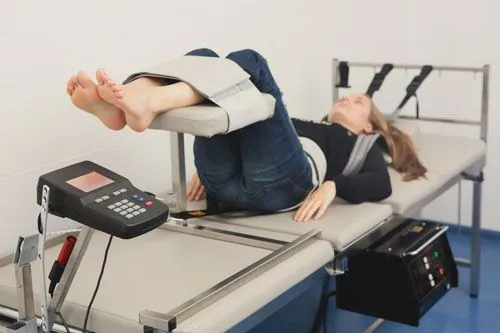

Spinal decompression is a non-invasive therapeutic approach designed to relieve pressure on the spine and promote healing in affected areas. Commonly used to treat sciatica, spinal decompression can help alleviate nerve compression, reduce pain, and improve mobility. By gently stretching the spine and creating space between vertebrae, this technique supports the body’s natural recovery processes while addressing the underlying causes of discomfort.
Relieves Sciatic Nerve Pressure
The sciatic nerve travels from your lower back, through your hips, and down your legs. When nearby tissues compress this nerve, you feel sciatica’s classic symptoms. Spinal decompression gently stretches the spine, creating negative pressure in the spinal discs. This pressure helps retract bulging discs, which directly relieves pressure on the sciatic nerve.
Reducing pressure on the sciatic nerve is key to managing your symptoms. As the mechanical stress on the nerve eases, the numbness and tingling often begin to fade. Vertebral decompression increases the spacing between the vertebrae, thereby supporting this positive outcome. This targeted pressure relief is a fundamental part of spine decompression therapy.
Reduces Back and Leg Pain
Sciatica causes sharp, shooting pain in the lower body. This pain often starts in the lumbar spine. It then travels down the back of the leg. Disc decompression therapy addresses the structural issues in the lower back, and this helps mitigate this specific pain. By alleviating tension in the lumbar region, the therapy aims to reduce the severity of your leg pain.
Managing this pain helps you engage in daily activities. Less pain means you can walk, sit, and stand with greater ease. Spinal decompression focuses on creating a healing environment, so it doesn’t just mask pain signals. This approach can be a productive way to manage chronic lower back discomfort and help you feel better over the long term.
Promotes Spinal Disc Natural Healing
Your spinal discs are necessary for preventing sciatic pain, as they require a steady supply of water, oxygen, and nutrients to function properly. Vertebral decompression creates a vacuum effect, pulling these fluids into the discs. This process floods the discs with resources, and it supports your body’s natural cellular repair.
Supporting your body’s natural healing is an effective way to manage spinal issues while promoting long-term health. When your discs receive proper nourishment, they can maintain their height and structural integrity. Healthy discs are less likely to bulge or herniate, so you should explore therapies that focus on structural wellness over just short-term relief.
Offers Non-Invasive Surgery Alternatives
Many people want to avoid invasive procedures, so they exhaust all non-surgical options first. Surgery involves lengthy recovery times, and it carries risks that patients must carefully evaluate. Spinal decompression treatment is a conservative approach, and it takes place in an outpatient setting, so you can attend therapy and return home the same day.
Choosing a non-invasive surgery alternative path can greatly reduce your stress, as sciatica decompression therapy does not involve incisions, anesthesia, or hospital stays. This method uses specialized equipment to apply controlled forces to the spine. Patients can contemplate this option as a safe and effective starting point on their journey toward pain relief.
Book Your Spinal Decompression Session
Dealing with persistent sciatic nerve pain requires a clear and structured action plan. Spinal decompression offers a productive method for addressing the root causes of nerve compression and lower back pain. Professional guidance is a key factor in building a treatment program that fits your specific physical needs, as you navigate this complicated recovery process.
Reaching out to a qualified pain management specialist can help you understand your options. Book a spinal decompression session with a pain management specialist near you today. A thorough evaluation will determine if spinal traction therapy is the right choice for your particular condition. Your specialist will be ready to answer your questions and will recommend that you explore your non-invasive treatment possibilities.
