

Your skin is your body’s first defense against the environment. Protecting this key organ relies on a practical approach that blends routine care, ongoing monitoring, and guidance from professionals. Regular skin cancer screenings, along with treatments such as Mohs surgery, are fundamental tools, and they help support your long-term health. Here are several benefits of skin cancer screenings and Mohs surgery:
Understanding Routine Skin Cancer Screenings
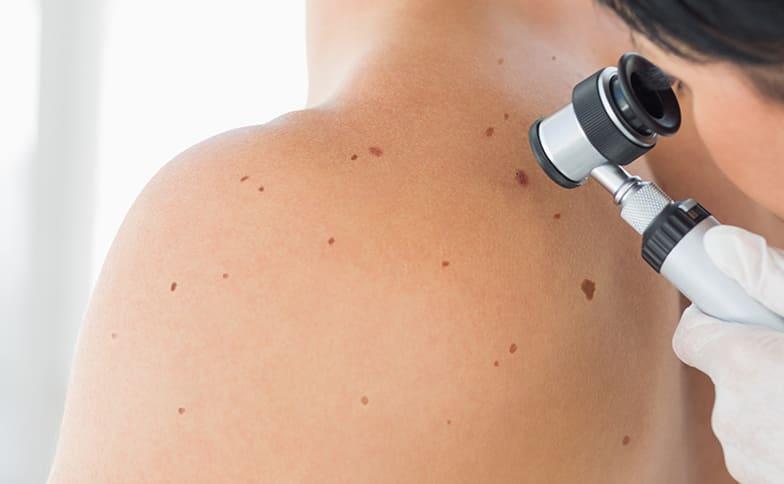
A skin cancer screening involves a straightforward, comprehensive visual exam performed by a qualified dermatologist. During this visit, the professional inspects your skin from head to toe; they look for unusual spots, changing moles, or new growths. This non-invasive process takes only a few minutes but provides key long-term benefits.
With this screening, you can gain helpful insight into your current skin condition and receive guidance that is fundamental for proactive care. If you notice something new or different on your skin, share your observations with the dermatologist. This open communication supports a more accurate assessment, and it enables you to take helpful, practical steps for your health.
Catching Abnormalities Early
Early detection is a primary benefit of regular skin cancer screenings. During these exams, clinicians evaluate moles and lesions for:
- Asymmetry
- Irregular borders
- Color variation
- Diameter
When abnormal cellular changes are found at an early stage, treatment options may be less invasive and more targeted. They sometimes involve localized removal or topical therapies. Consistent screening supports timely intervention, and it can reduce the likelihood of more complex procedures by addressing concerns before they advance.
Establishing a Personal Baseline
Routine checks help your dermatologist establish a clear baseline for your unique skin profile. After gaining a solid understanding of your regular skin patterns, your provider may notice minor deviations more easily at future visits. This proactive partnership also gives you helpful opportunities to ask about everyday sun protection, and it helps monitor specific areas of concern.
Reviewing Mohs Surgery Advantages
If your dermatologist identifies an area needing removal, they might recommend Mohs surgery as a next step. This specialized procedure targets specific types of skin abnormalities, and it focuses on precision. Mohs surgery is helpful for treating affected spots on sensitive or highly visible areas such as the face, neck, ears, or hands. By preserving your natural appearance and minimizing unnecessary tissue loss, this technique offers a practical method for addressing issues while maintaining healthy skin.
During Mohs surgery, a trained surgeon removes the visible abnormality along with a very thin layer of surrounding tissue. They examine this layer under a microscope while you wait, and they focus on identifying any remaining abnormal cells at the edges. If such cells appear, the surgeon removes another thin layer from that precise location. This helpful, step-by-step process repeats until all microscopic edges look completely clear.
This microscopic mapping process provides a key advantage: it preserves as much healthy skin as possible. Traditional removal techniques may require taking a larger, estimated margin of surrounding tissue at once. By targeting only the affected cells in real time, Mohs surgery helps reduce unnecessary tissue loss. This practical method results in smaller wounds. It supports more straightforward recovery, and it can lead to less noticeable scarring. Each step follows a fundamental goal of protecting healthy skin while addressing the problem area directly.
Meet With a Dermatology Specialist
Taking proactive steps to monitor your skin is a key part of supporting long-term physical health. By scheduling regular screenings, you can catch changes early, and you’re able to establish a fundamental health baseline. If an issue develops, targeted procedures such as Mohs surgery offer precise, tissue-sparing solutions that directly address the problem. Contact a board-certified dermatologist today to schedule an annual skin screening.
