
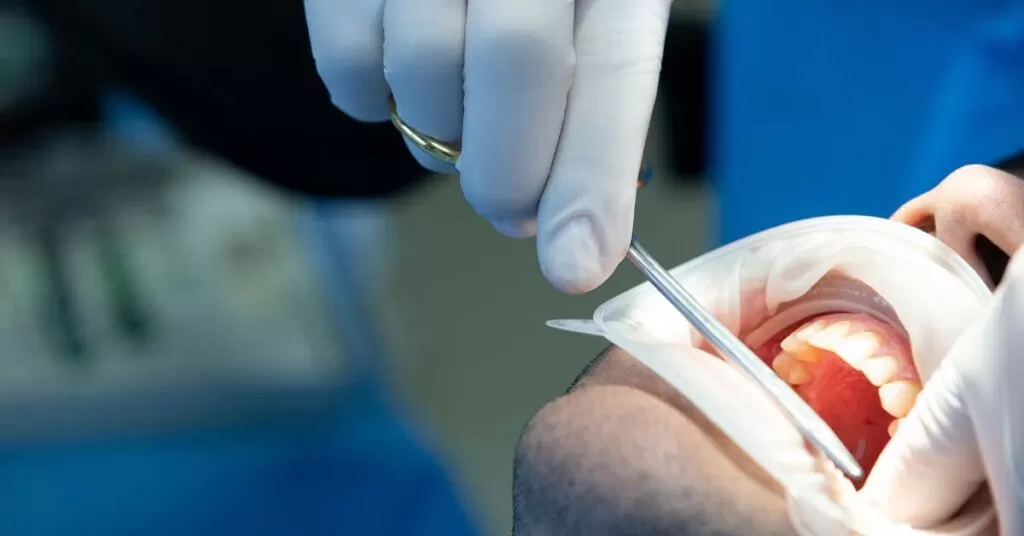

Maxillofacial surgeons treat conditions affecting the face, jaw, mouth, and surrounding structures. These specialists evaluate facial trauma, cysts, tumors, and dental injuries, and diagnostic imaging provides information for treatment planning. Because facial conditions vary in location and severity, surgical care reflects the structures involved and findings from the evaluation. Here is more information about how maxillofacial surgeons treat complex facial conditions:
Diagnosing Complex Facial Trauma
Facial trauma can affect bones, teeth, and soft tissues. A maxillofacial surgeon examines the injured areas and reviews diagnostic imaging, while three-dimensional scans provide additional information about facial structures. Because injuries vary in location and severity, imaging findings help guide decisions about treatment and surgical planning.
Soft tissue injuries also require evaluation. Surgeons assess movement, sensation, and bite alignment, and dental professionals may become involved when trauma affects the teeth or jaw. When several facial structures are injured, the evaluation provides information for coordinating treatment across the affected areas.
Reconstructing Jaw and Facial Bones
Jaw misalignment can affect chewing, speech, and breathing. Surgeons evaluate facial structure and bite alignment, and corrective procedures reposition affected bones when surgical treatment is appropriate. Because jaw conditions involve both dental and facial structures, surgeons may coordinate treatment with dental professionals during planning and follow-up care.
Treating Cysts and Tumors
Cysts and tumors can develop within the jaw or surrounding soft tissues. Some growths produce noticeable symptoms, while others are discovered during routine dental examinations or diagnostic imaging. Because these conditions vary, further evaluation provides information about the growth and surrounding structures.
Treatment depends on the location, size, and characteristics of the growth. Surgeons may remove cysts or tumors, and laboratory analysis provides additional information about the removed tissue. When surrounding bone or soft tissue is affected, the surgical plan reflects the extent of involvement.
Follow-up care continues after treatment. Surgeons review healing and imaging findings, while additional treatment may become appropriate depending on laboratory results. Because some growths require continued observation, follow-up appointments provide opportunities to monitor the treated area.
Restoring Function With Dental Implants
Dental implants replace missing teeth by using posts placed within the jawbone. Surgeons evaluate the jaw and plan implant placement, while additional procedures may become part of treatment based on oral health needs. Because each treatment plan differs, related surgical and sedation services depend on the findings from the evaluation.
- Placing dental implants
- Removing wisdom teeth
- Performing dental extractions
- Providing sedation dentistry
Managing Facial and Dental Injuries
Facial and dental injuries can affect several structures at once. Surgeons evaluate the teeth, bones, and soft tissues, and treatment planning reflects the location and extent of each injury. When multiple areas require treatment, procedures may occur in stages based on evaluation findings.
Follow-up care provides information about healing after treatment. Surgeons review the treated areas and monitor recovery, while additional procedures may address remaining dental or facial concerns. Because recovery differs between injuries, the timing of further treatment depends on healing progress and individual circumstances.
Schedule With a Maxillofacial Surgeon
Maxillofacial surgery addresses conditions affecting the face, jaw, mouth, and surrounding structures. Surgeons evaluate injuries and structural concerns, and diagnostic imaging provides additional information for treatment planning. Because facial conditions vary, treatment approaches reflect examination findings, imaging results, and the structures involved. Schedule a maxillofacial surgery consultation today to discuss your condition and available treatment options.
