
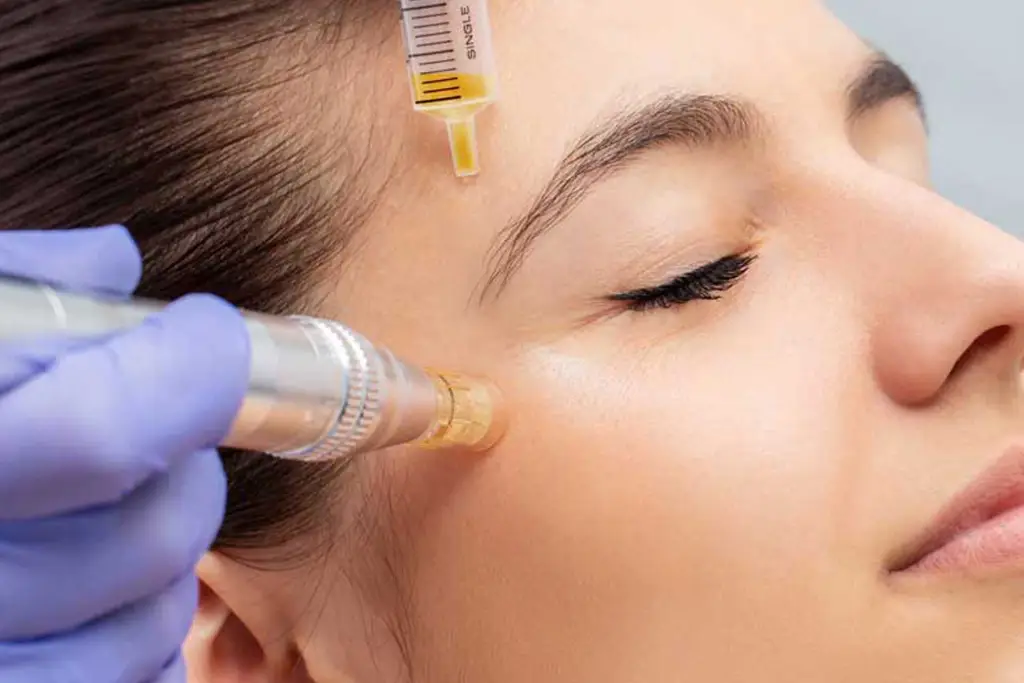

Medical spa environments combine clinical protocols with aesthetic treatments, which help enhance a patient’s appearance. Platelet-rich plasma (PRP) therapy is a clinical procedure offered at medical spas to address cosmetic and dermatological conditions. The treatment utilizes elements derived directly from the patient’s own blood, and understanding the clinical process helps patients prepare for their upcoming appointments. Here is more information on this therapy and what to expect from the process:
What Is PRP Treatment?
PRP stands for platelet-rich plasma, a concentrated biological substance extracted from whole blood. Blood consists of red blood cells, white blood cells, plasma, and platelets. Platelets contain hundreds of proteins called growth factors; these growth factors facilitate healing and cellular regeneration. During a PRP session, a clinician isolates these platelets to create a highly concentrated plasma solution. The resulting concentration contains more platelets than standard blood.
How Does It Work?
The procedure initiates a localized healing response by introducing high concentrations of growth factors into specific tissues. When injected into the skin or scalp, the plasma triggers the proliferation of specific cells. Fibroblasts, the cells responsible for producing collagen and elastin, increase their activity following the injection, and new blood vessel formation occurs, improving local microcirculation. The targeted tissue undergoes structural remodeling in response to these biological signals.
The biological cascade begins immediately upon injection into the dermal or subcutaneous layers. Growth factors bind to cellular receptors in the surrounding tissue, signaling the tissue to initiate the repair phase. This chemical signaling increases local blood flow, and it recruits additional stem cells to the targeted region. The newly recruited cells differentiate into specialized tissue types required for structural support. The treated area gradually develops increased density and improved cellular architecture over time.
What Issues Does It Address?
Clinicians utilize this therapy to target a variety of aesthetic and dermatological conditions. Practitioners customize the application method based on the patient’s specific anatomical needs. The high concentration of growth factors makes the treatment versatile across different tissue types. The conditions this therapy addresses include:
- Fine lines and facial wrinkles, which are caused by a reduction in natural collagen production.
- Textural irregularities, including acne scars and enlarged pores on the facial skin.
- Androgenetic alopecia and other forms of pattern hair loss on the scalp.
- Volume loss and skin laxity, which can occur in the under-eye region and mid-face.
What Does the Process Entail?
A standard PRP session begins with a standard blood draw from the patient’s arm. The practitioner collects the blood into a specialized sterile tube. They then place this tube in a centrifuge, which spins rapidly, separating the blood components by density. The red and white blood cells settle at the bottom, and the platelet-rich plasma rises to the top layer.
Following the separation phase, the practitioner extracts the isolated plasma into a syringe. The clinician cleanses the target area to prevent bacterial infection. Using a fine needle or a micro-needling device, the practitioner delivers the concentrated plasma directly into the dermal layer. Patients receive specific post-treatment instructions following the completion of the injection phase. Practitioners may advise avoiding anti-inflammatory medications, as the induced inflammatory response is a necessary component of the healing cascade.
Know What To Expect
Preparing for a medical spa procedure requires a clear understanding of the clinical steps. A standard PRP session involves a blood draw, centrifugation, and targeted injection of concentrated plasma. Following the post-treatment guidelines provided by your practitioner will facilitate proper tissue healing. Schedule a consultation with a certified medspa provider today, and they will help you learn more about PRP therapy.
