
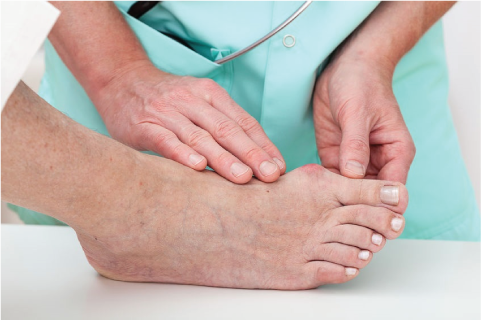

Bunions can develop when pressure on the foot causes the big toe joint to shift out of alignment, leading to a visible bump, discomfort, and changes in walking or footwear fit. Factors such as foot structure or repeated stress may contribute to bunions and make symptoms worse over time. Here is more information on the common causes of bunions and ways to prevent them from getting worse:
Foot Structure and Genetics
Foot structure plays a key role in the development of bunions. The shape of your foot, including the arch height and joint flexibility, affects how pressure is distributed when you walk or stand. People with flat feet or low arches may develop bunions because of the way weight is distributed across the foot. Genetics is also a significant factor; if bunions run in your family, you have a higher chance of developing them yourself. What gets passed down is not the bunion itself but the foot structure that makes a person more prone to joint misalignment.
Footwear Choices
Footwear does not cause bunions on its own, but certain shoe types often accelerate the process. The following shoe characteristics may cause faster bunion progression:
- Narrow toe boxes: Shoes with a pointed or tapered front squeeze the toes together, pushing the big toe inward over time.
- High heels: High heels shift body weight forward, increasing pressure on the forefoot and the big toe joint.
- Lack of arch support: Flat shoes with no structural support can cause the foot to overpronate, adding stress to the inner edge of the foot.
- Tight fit: Shoes that press against the bunion cause friction and inflammation, which can speed up joint changes.
Choosing footwear with a wide toe box, low heel, and adequate arch support can reduce the daily stress placed on bunions.
Pressure and Movement Habits
How you move and stand can also affect how quickly bunions develop; standing for long periods puts continuous pressure on the forefoot. People who work on their feet all day worsen their bunions faster than individuals with sedentary routines. Certain physical activities can also contribute; high-impact sports that involve running, jumping, or quick direction changes place repetitive stress on the toe joints. People who walk with their feet turned outward or who overpronate may distribute weight unevenly, placing extra load on the big toe joint. A gait assessment can identify these patterns early and help guide corrective strategies.
Prevention and Support
You cannot reverse bunions without medical intervention, but you can take steps to manage discomfort and slow progression. The following measures are helpful in supporting the foot and reducing further joint stress:
- Wear properly fitted shoes: Choose shoes with a wide toe box, firm heel counter, and low heel.
- Use orthotics or insoles: Custom or over-the-counter insoles can correct foot alignment and distribute pressure evenly.
- Try toe spacers or splints: These devices help maintain alignment between the big toe and the second toe.
- Stretch and strengthen the foot: Gentle foot exercises can improve flexibility and strengthen the muscles around the toe joint.
- Monitor changes: Track the size of the bunion and any changes in discomfort.
Taking these steps consistently gives you a clear picture of how the bunion is progressing and what level of professional care may be needed.
Book Your Bunions Appointment Today
Bunions develop due to a combination of genetics, foot structure, footwear habits, and movement patterns. They tend to worsen gradually; early awareness and proactive management are key to slowing progression. Footwear choices, daily activity, and supportive tools play a role in how a bunion develops over time. Contact a qualified podiatrist near you to book your appointment for bunions today.
