
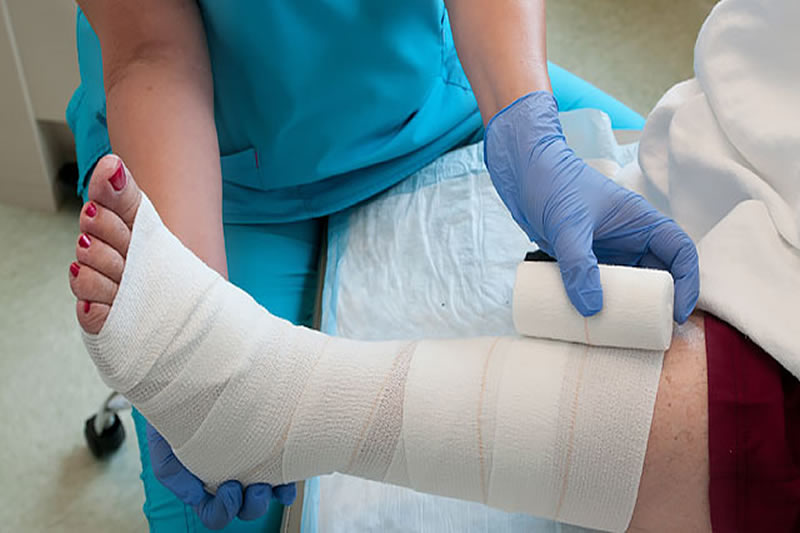

A physical injury involves a break in the skin, and healing restores the damaged tissue. Complete healing happens in multiple physiological stages because the body repairs the damage over time. Proper wound care supports this biological process. Effective care guides the initial recovery phase so patients can regain their overall health.
Identifying Long-term Wounds
Some underlying medical conditions slow down physical recovery, and they require specialized wound care. Advanced diabetes restricts healthy blood flow, which leaves patients vulnerable to foot ulcers. Severe pressure ulcers develop after prolonged bed rest. Venous ulcers appear on the lower legs, and arterial ulcers result from poor vascular circulation.
Some patients experience surgical site complications. A previous surgery site might fail to close properly, and the open area becomes vulnerable to pathogens. Autoimmune diseases interrupt the natural immune response, which delays the formation of healthy skin cells.
Severe traumatic injuries present another distinct medical category. Deep lacerations from severe accidents damage multiple tissue layers, and the extensive trauma requires immediate intervention. Burns destroy the protective outer skin, which exposes the vulnerable internal tissues to the outside environment.
Administering Proper Treatments
To administer wound care, medical professionals thoroughly clean the affected area, and they may meticulously remove dead tissue. Clinical debridement clears away harmful bacteria that inhibit new tissue formation. Healthcare providers apply specialized medical dressings to protect the vulnerable site. Moisture-retaining bandages promote cellular growth, and antimicrobial wraps stop deep bacterial infections.
Supervising doctors may prescribe oral antibiotics. Strict infection control protects the patient, and it supports the natural recovery stages. Severe clinical cases require specialized skin grafts, which replace lost tissue with healthy skin from another body part.
Managing At-home Care
Recovering patients should change their medical dressings regularly, or the vulnerable site can become severely infected. Good daily hygiene keeps the new skin safe because dirty hands introduce dangerous environmental bacteria. Wash your hands with antibacterial soap before touching the clean bandages.
Proper daily nutrition fuels deep tissue repair, and adequate hydration keeps the new skin elastic. Patients must carefully follow these simple guidelines at home:
- Keep the bandage completely dry and change it if it becomes wet.
- Take all prescribed antibiotic medications on a strict schedule.
- Inspect the surrounding skin for unusual redness or swelling.
Rest promotes physical recovery, and adequate sleep allows the human body to rebuild. Movement restrictions prevent accidental tears because excessive physical stretching disrupts the fragile new cells. You should limit heavy lifting during your healing phase.
Seeking Professional Help
Monitor the wound daily for signs of severe medical complications. You should seek professional medical help if you notice any of the following symptoms:
- A foul odor, which may suggest a bacterial infection.
- Red streaks expanding from the wound, as this could indicate an infection spreading into the bloodstream.
- A sudden high fever.
- Excessive bleeding from the wound.
If you experience any of these warning signs, call your doctor or visit the emergency room immediately.
Learn More About Wound Care
Successful healing requires clean environments, and it depends on consistent medical attention. Specialized clinical treatments address very deep injuries, while daily at-home maintenance protects the ongoing recovery progress. Careful daily monitoring for dangerous infections keeps recovering patients safe. If you want to learn more about wound care techniques to promote healing, consult a healthcare provider near you.
