
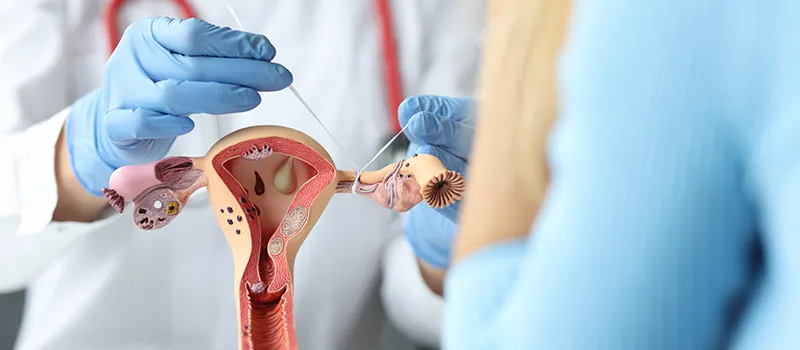

Gynecology surgery addresses specific health issues, and it provides practical solutions for complex reproductive conditions. When non-invasive treatments are not effective, physicians recommend surgical procedures. Timely response to changes protects long-term health. Healthcare professionals guide patients through the process.
Management of Abnormal Bleeding
Medications often resolve abnormal bleeding, but surgery is required in some gynecology cases. It can disrupt daily life. If bleeding persists, procedures are performed to remove the problematic tissue, which stops the blood loss. Persistent bleeding comes from polyps, fibroids, or a thickened uterine lining. In these cases, surgical procedures such as hysteroscopy may be recommended. Your doctor may run additional tests to find the cause. Addressing abnormal bleeding promptly helps prevent complications, and you can manage symptoms with your care team. Minimally invasive options may be available. Before you choose a treatment, your doctor explains the risks, and you make an informed decision. Diagnostic surgeries identify hidden problems. Doctors examine the uterine lining, and they identify the cause. These steps prevent future issues, and they guide your overall care. Pelvic health directly impacts your well-being. Continuous bleeding causes fatigue, and it can lower your energy levels.
Treatment of Pelvic Pain and Endometriosis
Chronic pelvic pain requires careful investigation. Endometriosis frequently causes this pain, and surgery helps identify it. Since ultrasound cannot always detect endometriosis, laparoscopy may also be used. Pelvic pain may also stem from a combination of factors, which makes diagnosis challenging. Sometimes, pain is linked to scar tissue, ovarian cysts, or nearby organ problems. Surgery helps pinpoint the cause.
Discussing your pain history and gynecology symptoms with your provider supports proper testing and a clear diagnosis. Surgery removes the abnormal tissue, which relieves pain and improves daily function. While surgery is not a cure, it offers some relief. Some patients notice quick improvement. Polycystic ovary syndrome can also complicate pelvic health. If cysts cause severe pain, surgeons intervene and drain the problematic fluid safely. Surgical management follows strict medical protocols. The surgical team monitors you, and they prioritize your safety. Because every patient is different, doctors tailor the approach to protect your healthy tissue.
Development of Uterine Fibroids
Uterine fibroids are noncancerous growths. They can cause heavy periods, and they create intense pelvic pressure. Surgical procedures, such as myomectomy, target only the fibroids. A hysterectomy removes the entire uterus. The best option depends on your age, future fertility, and symptom goals. Some procedures remove only the fibroids. Your gynecology provider evaluates your symptoms, and they review your medical history. They order imaging tests. Once the results arrive, you review the data and choose the best treatment path. OBGYNs play a role in the surgical management of pelvic health conditions. They provide initial diagnosis and post-operative care, so they guide you through every step. During surgery, an OBGYN works to address the specific issue. They also preserve as much healthy reproductive tissue as possible. OBGYNs also provide detailed follow-ups after surgery, so you can be informed. Their expertise and approach contribute to patient-centered care.
Book a Gynecology Appointment Today
You have many treatment options, and medical professionals will guide you. Gynecological surgery requires careful decision-making. Because your health is unique, a consultation is designed to create a personalized plan. Preparation leads to better surgical outcomes. You can organize your medical records and list your symptoms. Take the first step now. Contact a specialist, and schedule your initial medical evaluation.
