
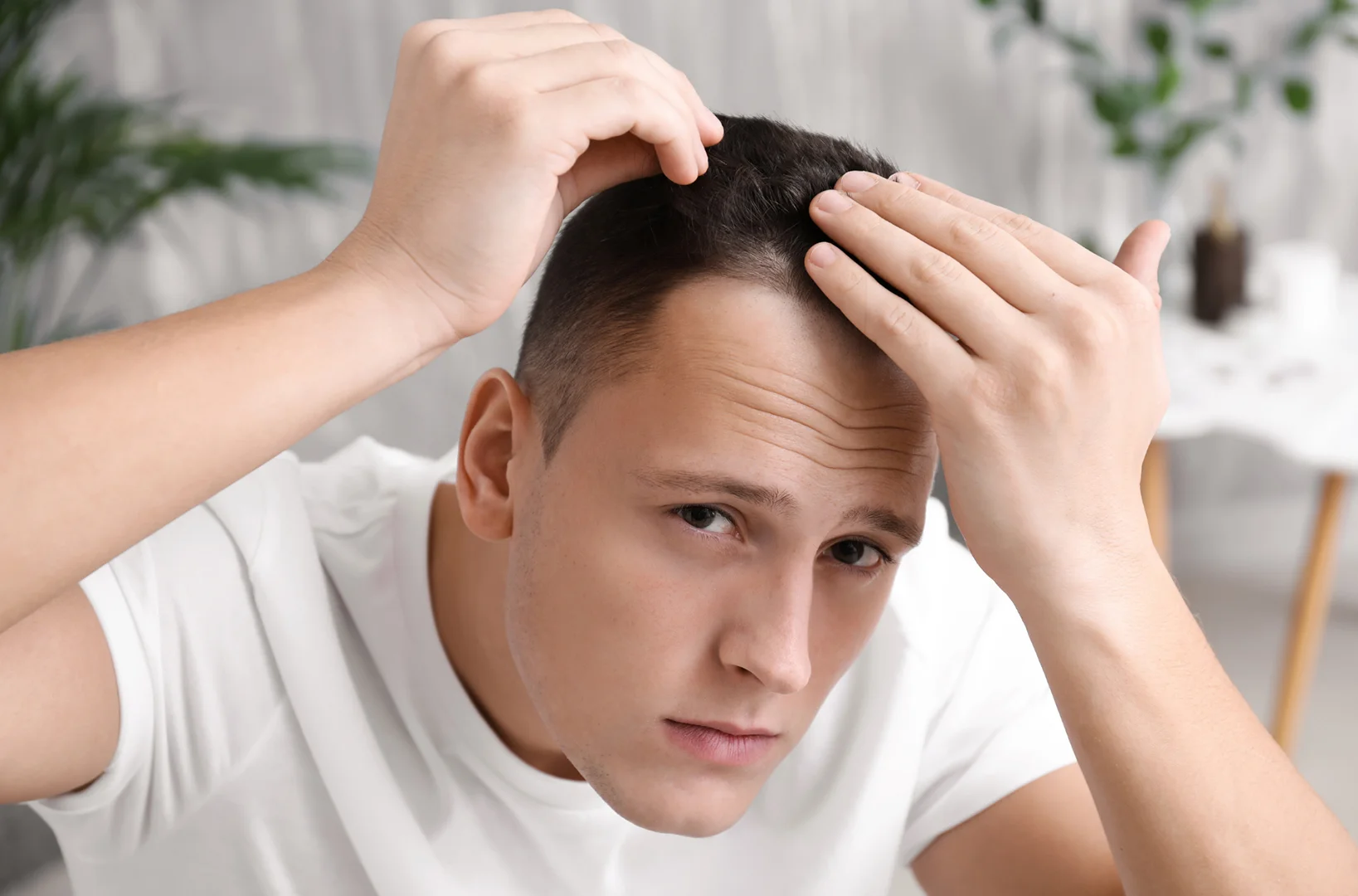

Hair restoration includes medical and surgical methods that address thinning hair and pattern loss. People seek treatment for many reasons, and the causes may differ. Since hair loss develops in stages, treatment plans match the pattern, rate, and location of loss. Here is more information on standard options, how they work, and where sex-based patterns may differ:
Platelet-rich Plasma Therapy
Platelet-rich plasma therapy uses a sample of your blood, and a clinician processes it before injection. The sample is separated in a centrifuge. Since platelets contain growth factors, this hair restoration treatment focuses on scalp areas with thinning hair. Sessions can be spaced over several months.
A typical visit follows a short sequence, and the steps are typically done in one office appointment. The process includes:
- Blood draws
- Centrifuge processing
- Scalp injections
Since protocols vary by practice, the number of sessions is not the same for every patient. People may report soreness after treatment, and mild swelling can occur. Results are typically tracked over time. Photos help the practitioner compare density and coverage at follow-up visits.
Traditional Methods
Doctors often start with established treatments, and these methods have been used for many years. Topical products target the scalp. Oral medicines are also used. Since each option works in a different way, a clinician reviews your history before making a plan.
Some treatments slow shedding, and some support thicker growth in active follicles. Hair transplants move follicles from denser areas. These methods may provide:
- Targeted action: Options such as topical treatments address hair loss directly on the scalp, while oral medications act systemically.
- Gradual improvement: Transplants can create significant, visible changes in hair density.
- Long-term solutions: Surgical options provide permanent results in the treated areas.
Since transplants rely on donor hair, density in the donor area affects the plan. Recovery varies, and the timeline depends on the method used. Medicines can still be advised after surgery, but long-term follow-up remains part of care. If hair loss continues in untreated areas, a second procedure may be discussed later.
Female and Male Hair Loss
Female and male hair loss often look different, and that affects treatment planning. Men might show recession at the temples. Women may show diffuse thinning across the crown. Since these patterns are not identical, diagnosis starts with the location and shape of loss.
Hormones, age, stress, illness, and genetics all play a role, and more than one factor may be present. A scalp exam helps. Blood work can also help to detect iron levels, thyroid disease, or hormonal shifts that sometimes affect hair growth. In some cases, a biopsy is used when the diagnosis remains unclear.
Not every patient needs the same approach, and mixed treatment plans are helpful. Some people use medicine alone. Others combine medicine, procedures, and scalp care because multiple factors contribute. When pattern loss appears early, a medical review helps rule out temporary shedding disorders.
Schedule Hair Restoration Today
Hair restoration includes several treatment paths, and each one serves a different purpose. Some options address active thinning. Others replace lost hair in stable areas because surgery works well with a clear plan. If you want a professional assessment, schedule a hair restoration consultation today.
