

Aesthetics for procedures fall into two broad categories: surgical and nonsurgical. Both types reshape or modify the body’s structures, and patients seek them for a range of personal reasons. Understanding the categories helps people make informed decisions, and knowing what each type involves gives context for any consultation with a qualified provider.
Surgical Facial Procedures
Surgical facial procedures target the face and neck. Common examples are eyelid surgery, rhinoplasty, facelift surgery, brow lifts, chin surgery, and ear surgery. Cheek augmentation and facial implants also appear in this category of aesthetics; providers use these procedures to change facial shape or proportion. Because no surgical procedure is without risk, a consultation with a board-certified plastic surgeon can address potential benefits; it can also cover possible complications.
Surgical Body Procedures
Surgical body procedures address the trunk and limbs. This category covers liposuction, tummy tuck, arm lift, thigh lift, body lift, and body contouring after major weight loss. Breast procedures form a separate group; the listed options are breast augmentation, breast lift, breast reduction, breast implant removal, and breast implant revision. Fat transfer breast augmentation uses a patient’s own tissue rather than an implant. Buttock enhancement also appears in this category. Because no surgical procedure is without risk, a board-certified plastic surgeon can review potential benefits during consultation; the discussion can also cover possible complications.
Minimally Invasive Procedures
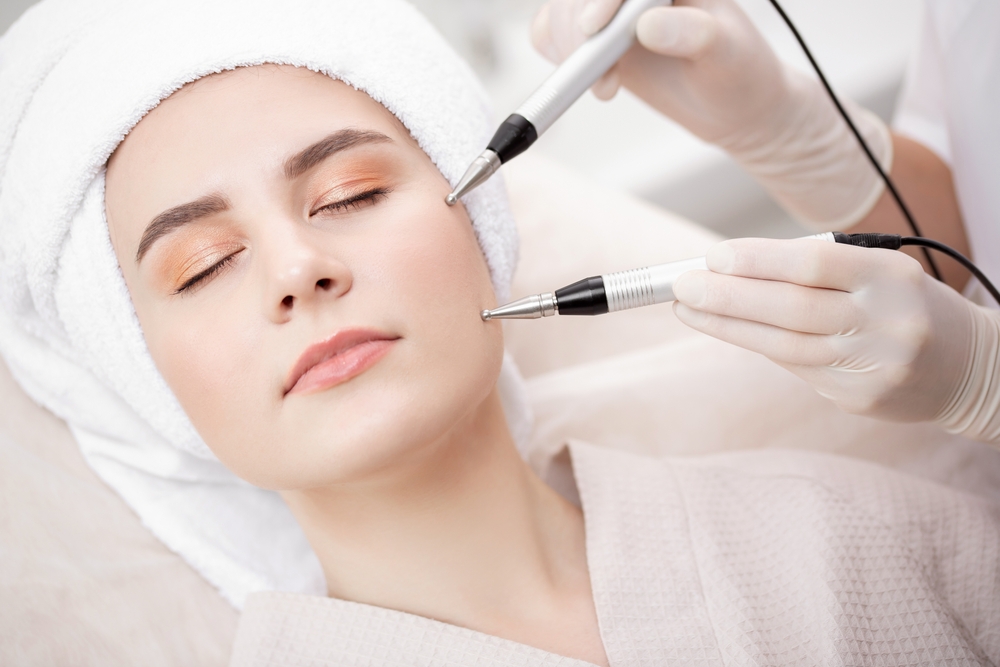
Minimally invasive procedures do not require surgery. Listed examples are botulinum toxin injections, dermal fillers, chemical peels, dermabrasion, microdermabrasion, laser skin resurfacing, laser hair removal, thread lifts, spider vein treatment, tattoo removal, and nonsurgical fat reduction. One medical aesthetics office lists botulinum toxin, fillers, microneedling, chemical peels, and thread-based procedures as services, and these offerings align with the minimally invasive category. When patients review these options, they can compare the area treated and the method used; they can discuss potential benefits and complications during consultation.
Some aesthetic offices offer wellness services alongside cosmetic treatments. The clinic source lists intravenous vitamin therapy, intramuscular booster injections, and NAD+ therapy, and it presents these services separately from medical aesthetics. These services may appear in the same office as injectable and skin treatments. When patients compare these offerings with cosmetic procedure lists, they can note that the plastic surgery source does not place wellness services among its cosmetic categories, and they can discuss the scope of any service during consultation.
Talk About Aesthetics
Aesthetic procedures cover surgical and nonsurgical categories. Surgical options address areas such as the face, neck, breast, trunk, and limbs; minimally invasive options address skin, hair, veins, tattoos, localized fat, or facial volume. Because no surgical procedure is without risk, patients can use consultation to review potential benefits and complications; they can compare each option by treatment area and method. Some offices list wellness services beside cosmetic treatments, but the plastic surgery procedure list presents cosmetic categories separately. The sources support a clear distinction between cosmetic procedures and related office services. Understanding different aesthetic procedures may help patients know which they want. Talk about the procedure with your provider to learn more.
