
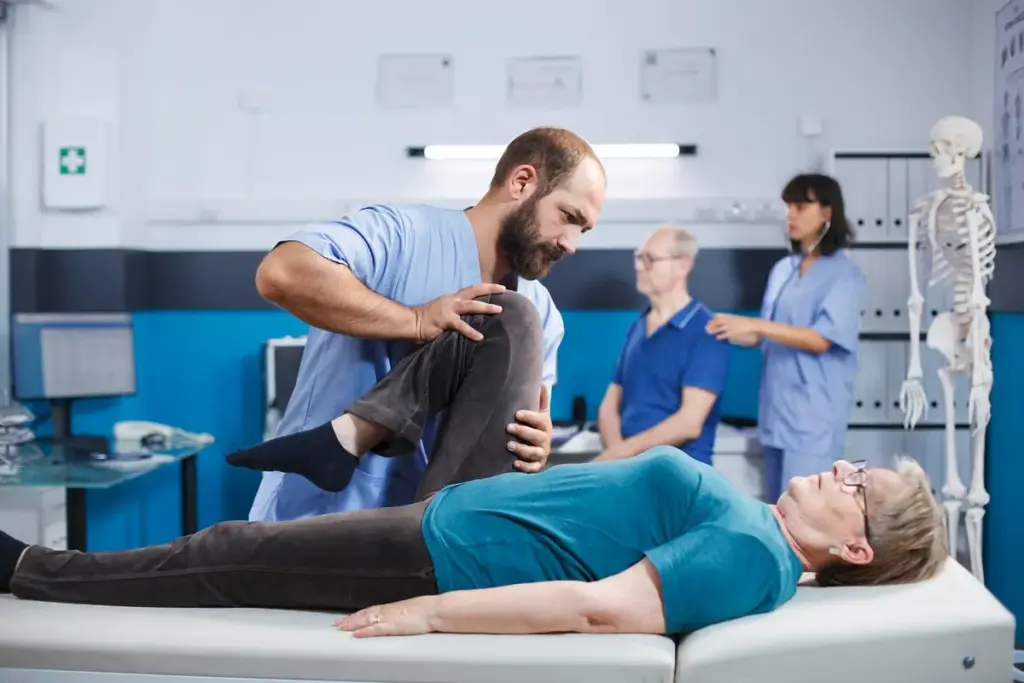

Working with an orthopedic surgeon is a fundamental step for individuals seeking effective solutions for ongoing joint discomfort and reduced mobility. Clear communication and collaboration play a key role in the treatment process. Here are key tips for working effectively with an orthopedic surgeon for joint pain relief:
Seeking Professional Care
It is fundamental to recognize the signs that indicate the need to consult an orthopedic surgeon. Here are scenarios where seeking orthopedic expertise may be necessary:
- Persistent pain in the joints, bones, or muscles that does not improve with rest or over-the-counter medications.
- Difficulty performing everyday activities due to reduced mobility or physical discomfort.
- Noticeable swelling, bruising, or deformity in a specific body area following an injury or trauma.
- Chronic joint instability or a feeling of giving way during movement.
- Pain that interferes with sleep or worsens at night.
- Previous treatments, such as physical therapy or medications, that have not alleviated symptoms.
Scheduling a consultation with an orthopedic surgeon can help determine the appropriate course of treatment to restore functionality and alleviate discomfort.
Preparing for the Visit
Medical appointments require thorough preparation from the patient. Patients should gather previous medical records, and they should document their current symptoms in detail before arriving. Individuals should also compile imaging reports and test results before the scheduled visit.
Documentation streamlines the diagnostic process during the initial consultation. Proper clothing choices facilitate a comprehensive physical examination. Loose attire allows easy movement, and the medical staff can perform diagnostic imaging with minimal disruption. If you wear accommodating garments, the doctor can easily access the affected joint during the functional assessment.
Understanding Treatment Options
Patients often associate orthopedic care exclusively with surgical procedures. Surgical intervention is a last resort, and doctors often recommend non-surgical options first. Physical therapy is a primary nonsurgical approach for musculoskeletal issues. Targeted exercises strengthen the surrounding muscles, and this process helps to stabilize the affected joint. When individuals engage in structured rehabilitation, they often experience a significant reduction in chronic discomfort.
Medication management frequently accompanies physical rehabilitation protocols. Physicians prescribe specific anti-inflammatory drugs, which can reduce swelling within the joint. While medications do not repair structural damage, they provide significant symptomatic relief during the recovery process. Biologic therapies offer another clinical option for joint management; regenerative injections reduce localized inflammation and help individuals delay joint replacement procedures.
Asking Questions and Staying Engaged
To promote the most effective outcomes during treatment, patients should actively participate in their care plan. Here are several strategies to help patients stay engaged and communicate effectively with their orthopedic surgeon:
- Prepare relevant questions for each visit. Focus on understanding the rationale behind proposed treatments and associated risks or benefits.
- Request clarification when needed. If any aspect of the care plan is unclear, ask for further explanation to aid full comprehension.
- Discuss progress regularly. Share updates about symptoms, improvements, or setbacks to keep the specialist informed of your condition.
- Review alternative treatment options. Ask about other available approaches that may also address your condition.
- Set realistic goals collaboratively. Work with your provider to establish achievable objectives for your recovery or management.
Following these steps can help patients enhance their understanding of their condition and play an active role in achieving better health outcomes.
Visit an Orthopedic Surgeon Today
Joint pain limits physical functionality and daily mobility. Accurate diagnostics determine the optimal treatment, and an orthopedic specialist offers the necessary clinical expertise. While initial symptoms seem minor, untreated joint pain may eventually cause severe complications. Contact a qualified orthopedic surgeon near you to schedule your appointment today.
