
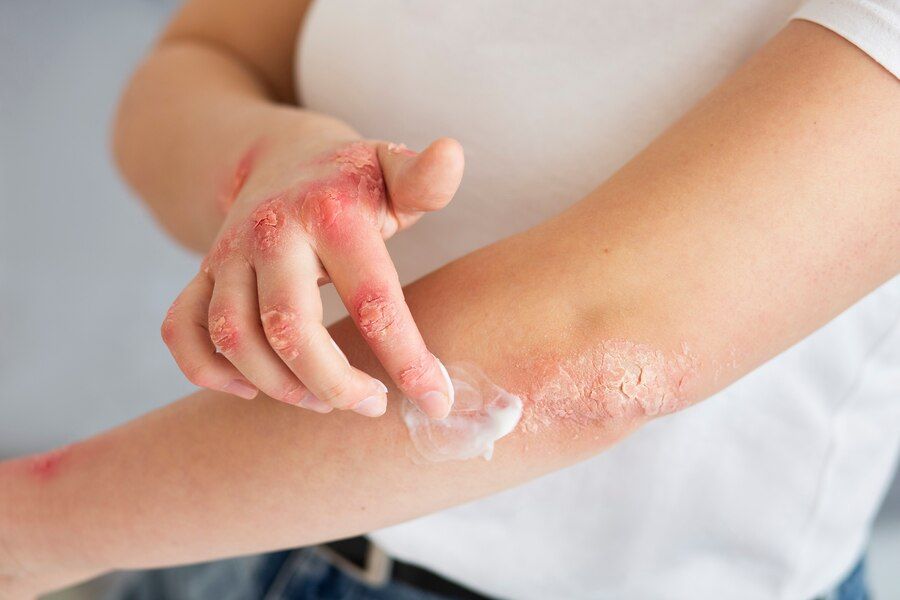

Eczema is a common dermatological condition that fundamentally affects the skin’s barrier function. Patients often experience significant physical discomfort during acute flare-ups, and the condition requires ongoing management to mitigate symptoms. Medical professionals offer specific guidance for daily symptomatic care. Gaining a clinical understanding of this disorder helps patients navigate their available treatment options effectively.
What Is Eczema?
Eczema is a chronic inflammatory skin condition. It disrupts the epidermis’s ability to retain adequate moisture, leaving the body susceptible to environmental irritants. The condition typically presents as localized patches of inflamed tissue; these specific areas can become increasingly reactive over time. Clinical assessments may focus on evaluating the extent of dysfunction to determine appropriate medical interventions.
What Causes It?
Individuals presenting with a documented family history of atopic diseases face a higher risk of developing the disorder. A specific genetic mutation can impair the skin’s barrier function, severely weakening the epidermis’s protective barrier. Environmental triggers such as allergens or harsh industrial chemicals may then penetrate the vulnerable skin, and they rapidly initiate a localized inflammatory immune response.
Immune system hyper-reactivity constitutes a primary driver of the physical symptoms associated with this condition. The body misidentifies harmless external substances as dangerous threats, and it subsequently releases inflammatory chemicals into the surrounding skin tissues. Climate conditions also influence the severity of the disorder, with low-humidity environments frequently triggering exacerbations.
What Are the Symptoms?
The signs of eczema vary from person to person, but common symptoms often appear during flare-ups, including intense itching, redness, and swelling in the affected area. Patients may also notice dry, scaly patches, typically on the face or limbs. Some people develop small, raised bumps that leak clear fluid. The severity of these symptoms may change over time, so regular medical observation is useful for tracking them.
Constant scratching can change the skin’s texture. The skin in these areas becomes thick and leathery, which indicates long-term inflammation. The color of the skin may also change, becoming darker or lighter than the surrounding area. It is beneficial to monitor these changes, and patients should report any sudden worsening of symptoms to a healthcare provider.
How Can You Cope?
To manage eczema, patients benefit from a disciplined daily skincare routine that includes:
- Bathing in lukewarm water
- Apply a moisturizer immediately after drying
- Using mild, hypoallergenic cleansers
Identifying and avoiding personal triggers helps in managing the condition. Track daily activities to pinpoint environmental irritants. Common triggers include:
- Certain soaps
- Synthetic fabrics
- Extreme temperature changes
Wearing soft, breathable cotton clothing can minimize friction and protect sensitive skin.
How Is Professional Care Beneficial?
Dermatologists provide targeted medical interventions that standard over-the-counter therapeutic products cannot replicate. A medical professional can appropriately prescribe topical corticosteroids, which help reduce acute inflammation during severe flare-ups. Clinical evaluation also allows doctors to identify secondary bacterial skin infections requiring immediate antibiotic treatment. Professional guidance structures a highly comprehensive management plan, and this individualized clinical strategy targets the patient’s specific physiological requirements.
Consult a Dermatologist Today
Living with eczema requires consistent attention to fundamental skin health and daily environmental factors. Implement structured daily care routines and seek specialized medical advice for persistent symptoms. A certified dermatologist will assess the clinical condition to formulate a reliable treatment protocol. Schedule a formal evaluation with a specialized clinic to learn more about managing long-term dermatological health.
