
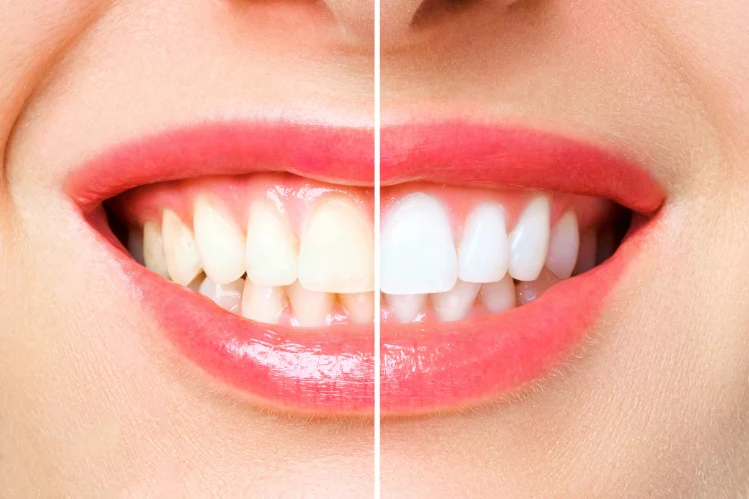

Teeth whitening is a cosmetic dental procedure that uses medically approved solutions to improve the appearance of discolored teeth. The process relies on established chemical reactions and clinical techniques. Understanding how teeth whitening works helps explain why some treatments produce more noticeable results than others and how those results can be maintained.
Understanding Tooth Discoloration
Tooth discoloration falls into two categories. The type of stain influences treatment outcomes. Intrinsic stains affect the interior of the tooth structure. Common causes include certain medications and physical trauma. Extrinsic stains affect the outer surface of the enamel and often develop from tobacco use, dark beverages and the natural aging process. Both stain types can respond to peroxide-based whitening treatments. However, intrinsic stains often require more extensive treatment before noticeable changes occur.
Examining the Teeth Whitening Process
The core mechanism is oxidation. Most whitening products contain hydrogen peroxide or a peroxide-releasing compound. When applied to the tooth surface, the peroxide penetrates the enamel and interacts with stain molecules. This chemical reaction breaks larger pigmented molecules into smaller compounds. As a result, discoloration becomes less visible. The tooth structure remains intact while the color of the stain molecules changes. Because the reaction targets the compounds responsible for discoloration, teeth appear lighter after treatment.
The effectiveness of the treatment depends on several factors. The type and severity of the stain both influence the outcome. Extrinsic stains on the enamel often respond more quickly, while intrinsic discoloration may require additional treatment sessions before noticeable improvement occurs. Results also vary from person to person, and a dental provider can recommend an approach based on the cause of the discoloration and the desired level of whitening.
Comparing Whitening Methods
In-office teeth whitening is an outpatient procedure that typically takes about one hour. A dental provider applies a concentrated whitening solution to the teeth and monitors the treatment process. Professional supervision allows the use of stronger whitening products than those commonly available over the counter.
Take-home whitening trays provide a more gradual approach. Treatment kits often include custom-fitted trays and whitening gel. The trays help keep the gel in contact with the teeth, and consistent use supports even whitening across the treatment area. Both methods rely on the same peroxide-based chemistry. The primary differences involve product concentration, treatment time and the level of professional supervision.
Teeth whitening does not stop new stains from developing. Daily habits continue to affect tooth color after treatment. Brushing twice each day helps remove surface stains before they become more noticeable. Regular dental visits also support long-term oral health and appearance. Tobacco products and dark-colored beverages can contribute to discoloration, so reducing exposure may help preserve results longer. Physical trauma can also affect tooth color. Wearing a mouthguard during sports helps protect the teeth from injury, and this protection may reduce the risk of discoloration associated with dental trauma.
Schedule a Whitening Consultation
Whitening uses peroxide-based compounds to reduce discoloration and improve the appearance of teeth. The process works through oxidation, which changes the stain molecules responsible for unwanted color. Treatment outcomes depend on the type of discoloration and the method used. A consultation with a dental provider can help determine which teeth whitening approach aligns with your goals and oral health needs.
