
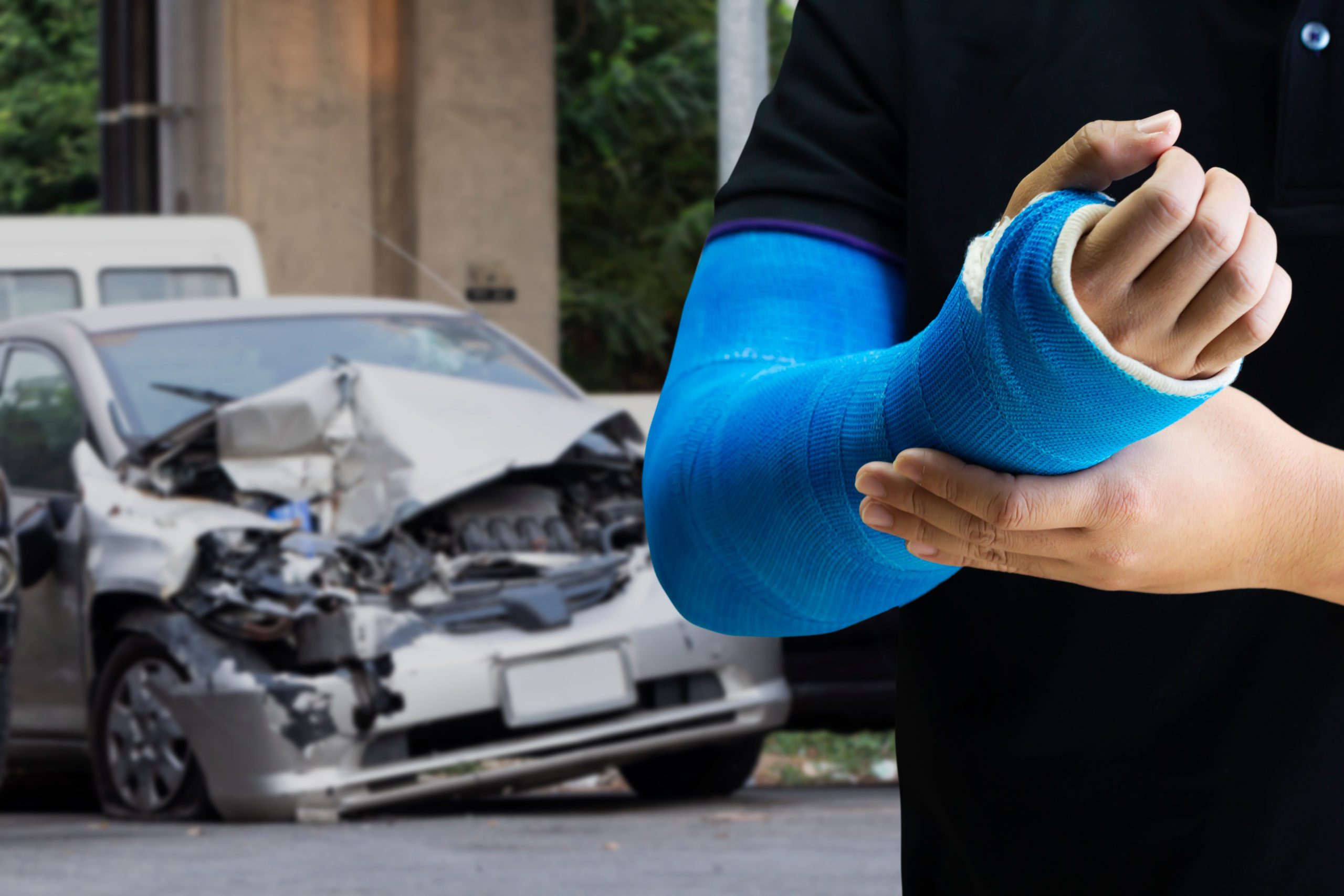

Pain management focuses on managing discomfort caused by trauma, illness, or chronic conditions. Following an auto accident collision, individuals frequently experience delayed symptoms that interrupt daily routines and diminish quality of life. A structured approach to pain management involves a comprehensive evaluation by healthcare professionals to identify the specific sources of distress. Proper follow-up care is fundamental for tracking recovery progress and mitigating long-term complications. Here’s information on the benefits of pain management plans after an injury from an auto accident:
Physical Therapy Efforts
Auto accidents frequently cause a sudden, forceful impact that strains the body in unnatural ways. Some common issues resulting from these events include whiplash, muscle strains, ligament sprains, and generalized joint stiffness. These soft-tissue injuries can severely limit your range of motion and cause localized inflammation. Prompt attention to these underlying structural problems can help you recover effectively, and going to subsequent follow-up appointments promotes positive long-term outcomes.
Physical therapy exercises strengthen affected muscles, and targeted massage techniques reduce tissue stiffness. By working with specialized therapists, you receive guidance on proper body mechanics and on correcting posture. This guided rehabilitation helps restore mobility and function to injured areas over time. Therapy sessions also incorporate stretching routines that prevent the formation of rigid scar tissue while promoting flexibility. Consistent participation in these physical rehabilitation programs promotes steady progress and supports long-term structural stability.
Medication Management
Over-the-counter anti-inflammatory drugs serve as a baseline option for many people, but prescription alternatives address more intense symptoms. Following a vehicle collision, healthcare providers often utilize pharmaceutical options to control acute symptoms. The immediate aftermath of an auto accident may involve inflammation and varying degrees of physical distress.
When working with a pain specialist, they may recommend medication use to facilitate more active participation in physical rehabilitation. Physicians carefully monitor your dosage, and they adjust your treatment plan to avoid unwanted side effects. Medication management requires a structured schedule and strict adherence to professional guidelines to prevent dependency or adverse reactions.
By maintaining open communication with your medical team, you make sure your medication remains appropriate for your current stage of recovery. Providers review your complete medical history to avoid dangerous drug interactions with existing prescriptions. When conservative treatments do not provide adequate symptom control, specialists may recommend interventional procedures.
Pain-relieving Procedures After Recovery
Advanced interventions target the nerves or tissues responsible for transmitting distress signals, especially for chronic pain conditions. These minimally invasive techniques deliver concentrated relief to exact areas of the body, such as the cervical spine or lumbar region, which are highly susceptible to trauma. Some common advanced pain management approaches include:
- Epidural Steroid Injections
- Nerve Blocks
- Radiofrequency Ablation
These procedures aim to reduce persistent discomfort, but they require a thorough evaluation by a qualified specialist beforehand. By temporarily interrupting signal pathways or reducing localized swelling, interventional techniques allow patients to engage more fully in physical therapy. In cases involving severe structural damage, such as herniated discs, surgical intervention may become necessary to stabilize the anatomy.
After an Auto Accident
Navigating the aftermath of a collision often requires professional guidance and structured medical support. Delaying an evaluation can allow minor injuries to develop into persistent, debilitating conditions that interfere with your daily functionality. A pain specialist understands the complex mechanics of collision-related trauma and offers organized, evidence-based solutions. Schedule an evaluation with a specialist to establish a comprehensive treatment plan tailored to your specific injuries.
