
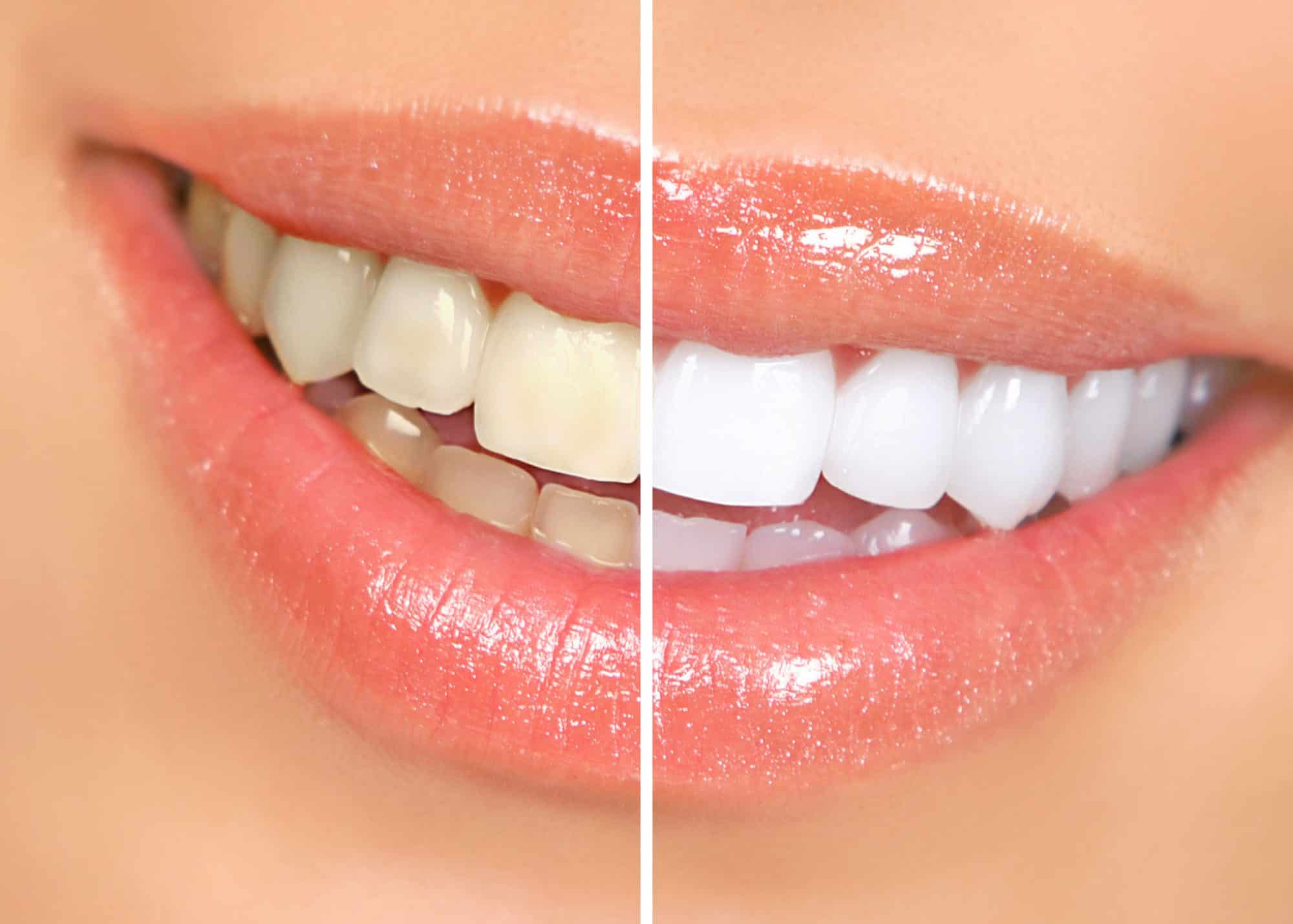

Discolored teeth alter a person’s smile, but clinical whitening procedures can produce measurable improvements in dental aesthetics. Learning more about the process helps patients understand what results to expect. Here is more information on the fundamentals of teeth whitening and its effects on a patient’s overall facial appearance:
What Causes Tooth Discoloration?
Tooth discoloration can arise from multiple sources. Extrinsic stains develop on the enamel surface from dark beverages or tobacco use, while intrinsic stains occur deep within the tooth structure due to aging or early medication exposure. Patients may undergo an initial evaluation to identify the specific stain type. This assessment determines whether teeth whitening will achieve the desired outcome, which facilitates informed decision-making.
What Is Teeth Whitening?
Teeth whitening is a cosmetic dental procedure that uses chemical agents to break down stubborn stains on the tooth surface. The active ingredients typically include bleaching agents at varying concentrations. These agents penetrate the porous enamel to oxidize discolored molecules. The strength of these bleaching agents differs between professional treatments and over-the-counter products, and dentists select the appropriate formulation based on individual patient sensitivity.
What Does the Process Involve?
The clinical process begins with a comprehensive dental examination, and the dentist assesses the overall health of the teeth. Practitioners may check for existing restorations or untreated decay. They also evaluate the patient’s baseline tooth shade. A protective barrier is carefully placed over the gum tissue to prevent the concentrated bleaching agent from irritating the soft tissues of the mouth.
Once the barrier is secure, the clinician applies the professional whitening gel to the enamel. Some treatments use a specialized light to activate chemical components, thereby accelerating the oxidation process within the tooth structure. The bleaching gel remains on the teeth for a specific duration, and the dentist carefully removes it to reveal the newly lightened shade.
How Is Overall Appearance Affected?
A whiter smile shifts the visual focal point of the face, and it may distract observers from other minor aesthetic imperfections. The contrast between the teeth and the surrounding facial features increases, potentially creating the perception of a more youthful, healthier physical state. Successful removal of severe stains creates a uniform coloration across the entire dental arch. The resulting visual symmetry improves the overall balance of the patient’s lower face.
What Are the Benefits?
Patients experience several outcomes following professional bleaching treatment. The benefits of this specialized procedure include:
- Removal of persistent dietary and chemical stains from the outer enamel layer.
- Restoration of a uniform and natural tooth shade across the entire mouth.
- A non-invasive approach to altering dental aesthetics without drilling.
Consulting a dental professional helps determine whether this treatment is appropriate for each situation.
Seek Whiter Teeth Today
Teeth whitening is a standard cosmetic dental procedure, and it offers a predictable way to address noticeable dental discoloration. The process uses specific chemical agents to alter the shade of the enamel, resulting in a noticeable shift in facial aesthetics. Schedule a consultation with your dental provider to discuss your specific clinical needs.
