
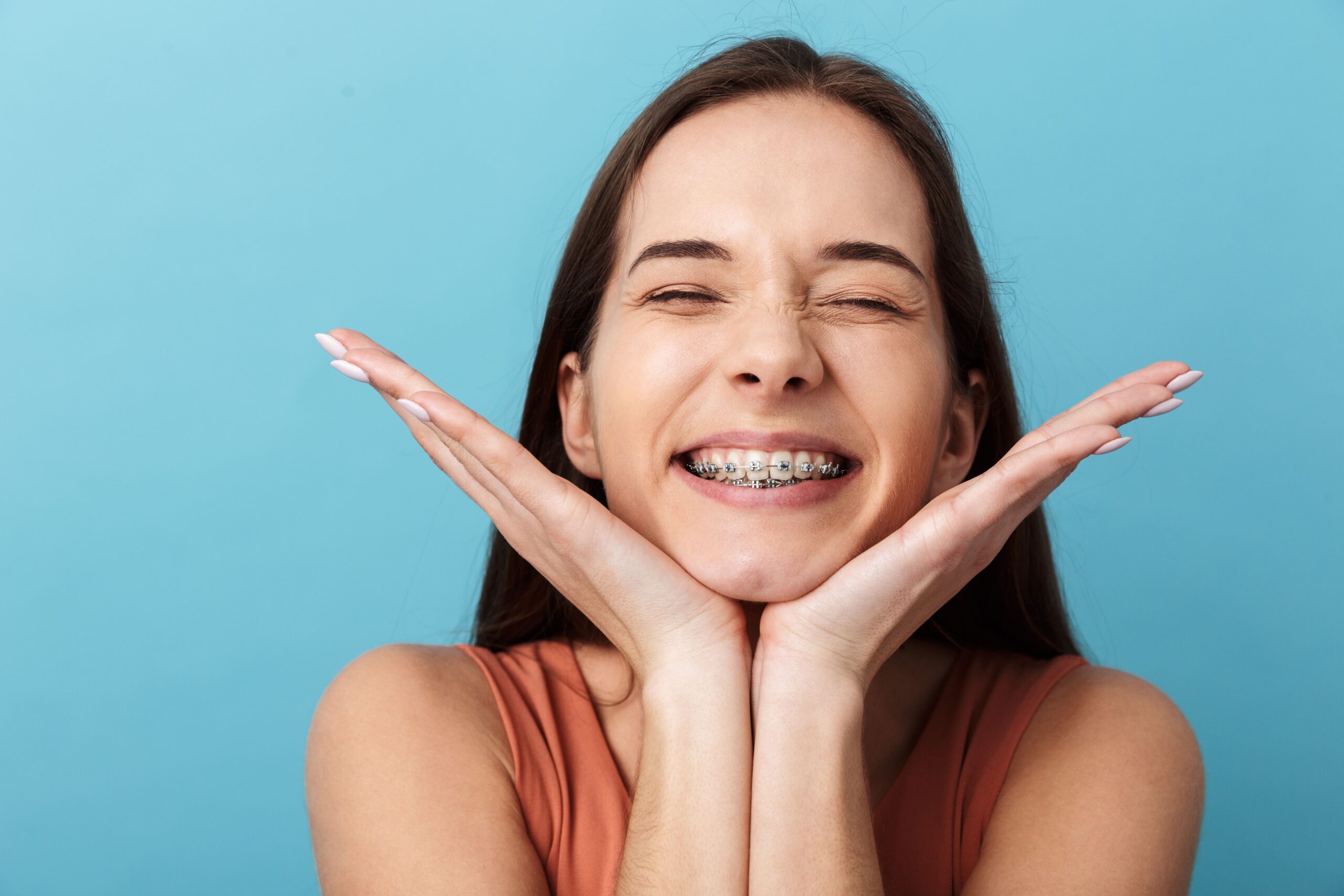

Orthodontics focuses on correcting dental irregularities, and this field of dentistry goes beyond just straightening teeth. Some patients may seek these treatments for functional reasons, but the procedures also change the appearance of the lower face. Dental professionals evaluate both the alignment of the bite and the overall symmetry of the facial structure when developing a treatment plan. Here is more information on this dental specialty and how Invisalign affects facial aesthetics:
What Is Orthodontics?
Orthodontics is a specialized branch of dentistry that diagnoses and treats misaligned teeth and jaws. An orthodontist uses various dental devices to move teeth into their proper positions and to align the upper and lower jaws. Modern alternatives like Invisalign offer a less visible approach. Patients receive a thorough clinical examination before beginning any procedure, and this step determines the most appropriate method for their specific case.
What Does It Address?
This dental specialty addresses a range of malocclusions, which refer to misalignments of the teeth and jaw. Correcting these physical irregularities can improve bite function and contribute to long-term oral health. Some common issues addressed by orthodontics include:
- Overbites, underbites, and crossbites: These conditions describe various misalignments between the upper and lower jaws.
- Crowded teeth: This occurs when there is insufficient space in the dental arch for teeth to fit properly.
- Gaps between teeth: Orthodontic devices can apply targeted pressure to slowly close unwanted spaces.
By treating these conditions, orthodontists help align the teeth and jaws, which enhances both the function and appearance of the patient’s bite.
What Are the Available Treatments?
Dental professionals use clear aligners like Invisalign to correct alignment issues. This removable option utilizes a series of custom-made plastic trays to apply pressure and shift teeth over time. The orthodontist monitors the progress regularly and adjusts the treatment plan as the teeth move into their proper alignment. This device serves a specific clinical purpose, and the dentist selects the right tool based on the initial diagnosis.
How Are Facial Aesthetics Affected?
Moving the teeth and jaws alters the soft tissues of the lower face, which can change the patient’s profile. Correcting an overbite brings the lower jaw forward, which balances the proportions of the chin and lips. Retracting protruding front teeth changes the resting position of the upper lip. The underlying bone structure supports the facial skin, and orthodontic shifts modify this foundation.
The width of the smile is another physical aspect that may change during treatment. Aligning the dental arches creates a more symmetrical appearance, and it provides a uniform structure for the lips to rest against. These physical modifications occur gradually over the course of treatment, with the final results becoming fully visible once the dental appliances are removed.
What Are the Benefits?
Proper tooth alignment makes cleaning teeth easier, reducing the risk of decay and periodontal disease. A corrected bite distributes chewing forces evenly, preventing premature wear on tooth enamel. Alleviating stress on the jaw joints can resolve pain. The functional improvements support long-term dental health, and the aesthetic changes may lead to a more symmetrical facial profile.
Learn More From a Dentist
Orthodontic treatments correct functional dental issues, and they alter the physical appearance of the face. Devices like Invisalign may shift the underlying bone and teeth, and these movements affect the soft tissues of the lips and jaw. Consulting with a dental professional provides clarity on the available options. Contact a local orthodontist to schedule an evaluation.
