
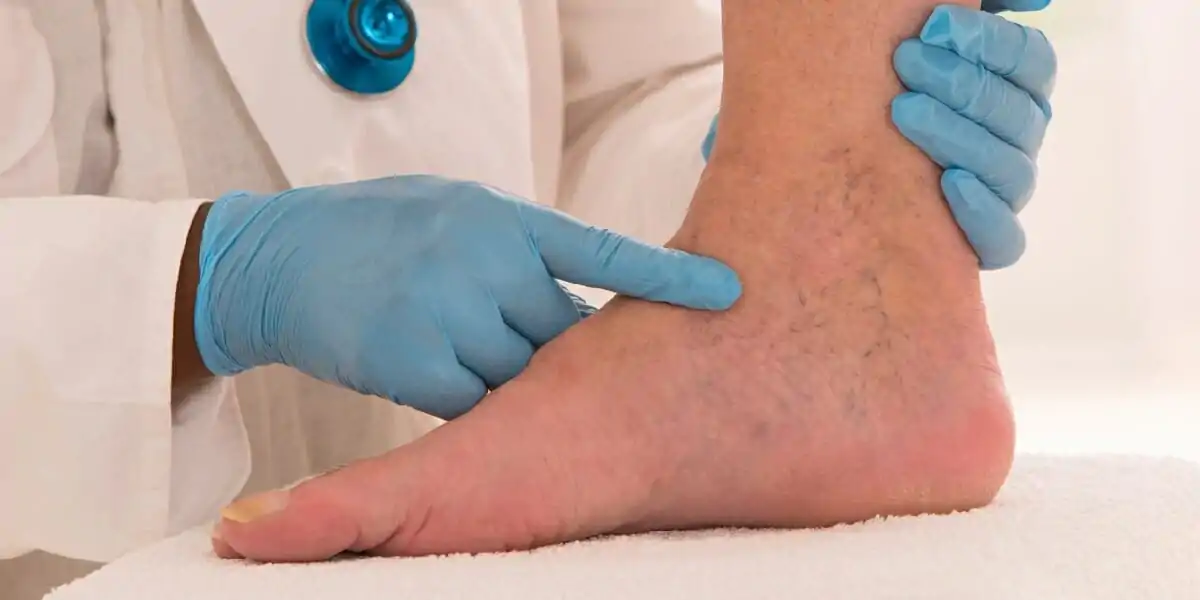

Chronic Venous Insufficiency (CVI) is a condition in which the veins in your legs struggle to send blood back to your heart. It develops when the small valves inside your veins weaken or become damaged, and this allows blood to pool in the lower legs. Left unaddressed, CVI affects how easily you move, stand, and carry out everyday tasks. Here is some information about the impact of chronic venous insufficiency on mobility:
Decreased Movement
Reduced mobility is a common consequence of chronic venous insufficiency, impacting daily activities and overall quality of life. CVI often leaves the legs feeling heavy and swollen, making walking harder. It can also result in aching, cramping, and a tight sensation that worsens the longer you stay on your feet. Symptoms usually ease when you sit and elevate your legs, then return as soon as you stand again. This cycle limits how far you walk and how long you stay active.
Movement helps your calf muscles pump blood upward, so less walking means more pooling and more swelling. Many people with CVI shorten their daily routines, skip stairs, or avoid standing for long periods. Simple activities such as grocery shopping, gardening, or playing with grandchildren start to feel exhausting. As mobility declines, muscle strength in the legs often declines as well, making future movement more difficult.
Nerve Damage
The pressure that builds inside swollen legs does not stay contained to the veins. When fluid leaks into surrounding tissue, it compresses the nerves that run through your lower legs and feet. This interferes with the signals those nerves carry, and the result is often tingling, burning, or numbness. Nerve irritation tied to CVI can affect balance and coordination. If you struggle to feel the ground beneath your feet, walking on uneven surfaces becomes risky. Some people describe a loss of sensation that makes them unsure where their feet land. Reduced sensation increases the risk of trips and falls, particularly for older adults. Poor blood flow also slows the delivery of oxygen and nutrients that nerves rely on, which exacerbates damage over time.
Venous Ulcers
Venous ulcers are open sores that form when CVI reaches an advanced stage. They usually appear near the ankle, where venous pressure is highest. The skin in this area often changes first; it turns darker, harder, or itchy before a wound opens. Once an ulcer forms, the same poor circulation that caused it also slows healing. These wounds shape mobility in several direct ways:
- Pain at the ankle makes each step uncomfortable, so you naturally move less.
- Dressings, bandages, and compression wraps add bulk that limits the range of motion in your foot.
- Many ulcers require weeks or months of care, and during that time, activity stays restricted.
- Standing for long stretches raises pressure on the wound, while sitting too long allows more pooling.
- Some people adjust their gait to protect a painful spot, which then strains other joints and muscles.
Treat Chronic Venous Insufficiency
CVI tends to progress when it goes unmanaged, and its effects on mobility build gradually over time. Recognizing the early signs gives you a chance to address the condition before swelling, nerve symptoms, or ulcers take hold. A range of treatment options exists, from compression therapy and elevation to minimally invasive vein procedures. Schedule a consultation with a vein specialist today to learn which treatment options fit your needs.
