
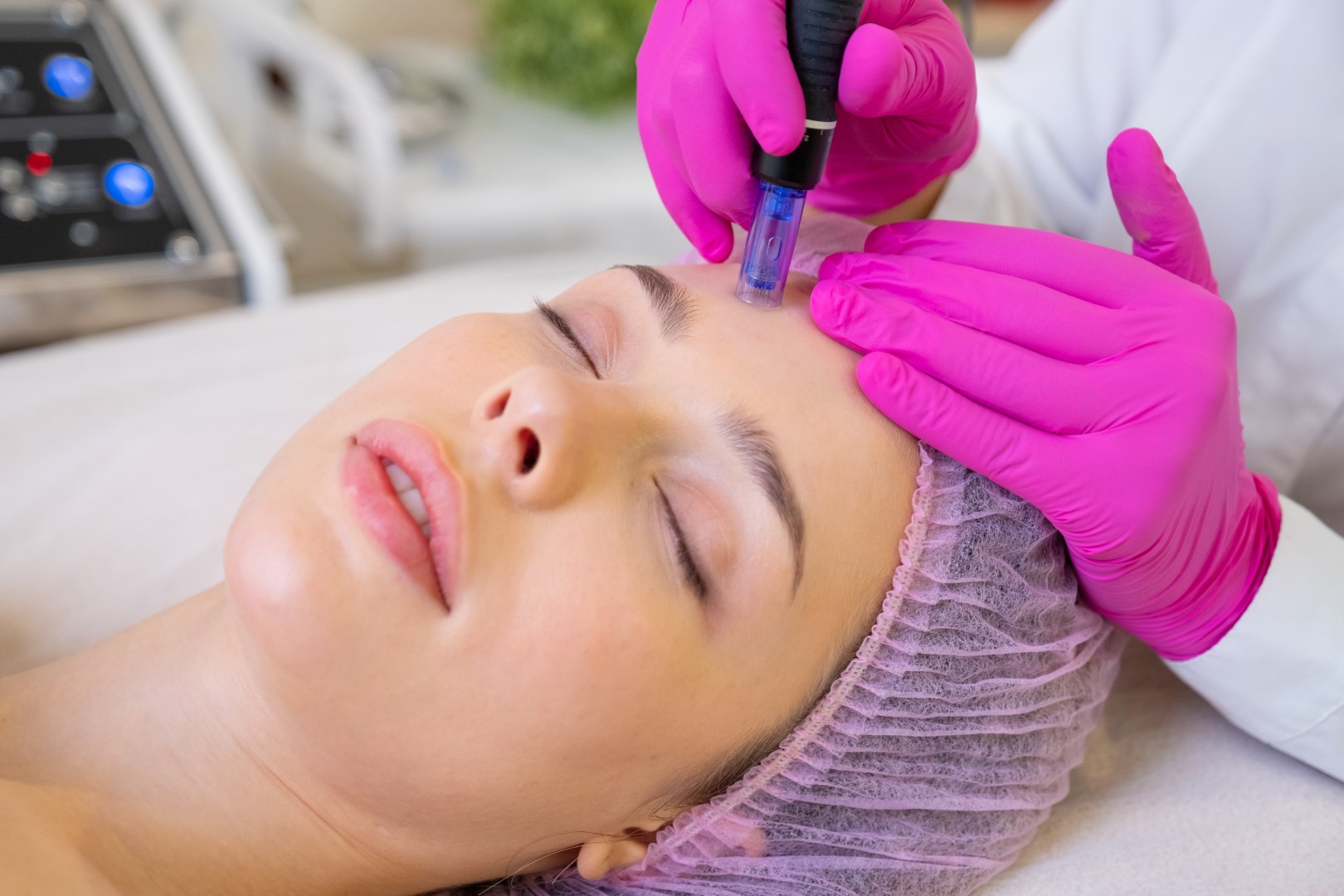

Microneedling is a skin treatment that uses a device with fine needles to create very small punctures, or microinjuries, in the top layer of your skin. This treatment is often used on the face, but it can also be done on the back and other areas. Many people choose microneedling to address concerns such as fine lines, uneven skin texture, or scarring. Understanding how the treatment relates to collagen helps you decide if it fits your goals. Here’s information on the connection between microneedling and collagen production:
How Microneedling Works
The device used in microneedling has small needles that move across the surface of your skin. As the needles touch the skin, they make tiny channels in the top layers; these channels are shallow and controlled by the person doing the treatment. The depth of the needles can be adjusted based on the area being treated and your skin’s needs. The small punctures start your skin’s natural repair process, and your body responds to these micro-injuries by working to close and heal them. This response is the main reason microneedling is used as a skin treatment, besides:
- Smoother Overall Skin Texture
- Smoother Skin Tone
What To Expect
Before your session, the provider will usually clean your skin and may apply a numbing cream. The treatment itself often takes less than an hour, but the exact time depends on the area being covered. After the session, your skin may look red or feel slightly warm, similar to a mild sunburn. This is a common short-term response that often fades within a few days. Your provider may suggest gentle skin care and sun protection while your skin recovers. The number of sessions you need can vary, so your provider will discuss a plan based on your goals.
How Sessions Promote Collagen Production
Collagen is a protein found in your skin, helping give skin its structure and firmness. As people get older, the body tends to produce less collagen, which can affect how the skin looks and feels. When microneedling creates tiny channels in the skin, your body begins its natural healing response. Part of this process involves producing new collagen to repair the treated area. This is why microneedling is sometimes called collagen induction therapy.
The collagen response does not happen all at once. It builds over time, so several microneedling sessions are often spaced weeks apart to support this process. Your provider will explain how many sessions may suit your situation, and they can adjust the plan as needed. Because each person’s skin is different, results and timing can vary from one individual to another. A few points are worth keeping in mind:
- Microneedling relies on your skin’s own repair process.
- Collagen production happens gradually after each session.
- A provider can tailor the treatment depth and schedule to your needs.
Following your provider’s aftercare guidance can also help your skin during the recovery period.
Schedule a Microneedling Appointment
Microneedling is a treatment that uses small needles to start your skin’s natural repair process, which can include the production of new collagen over time. The treatment is typically done in sessions, and results depend on your skin and your goals. If you are thinking about microneedling, the best next step is to speak with a qualified specialist. An aesthetic specialist can review your skin, explain what to expect, and help you decide whether the treatment is right for you.
