
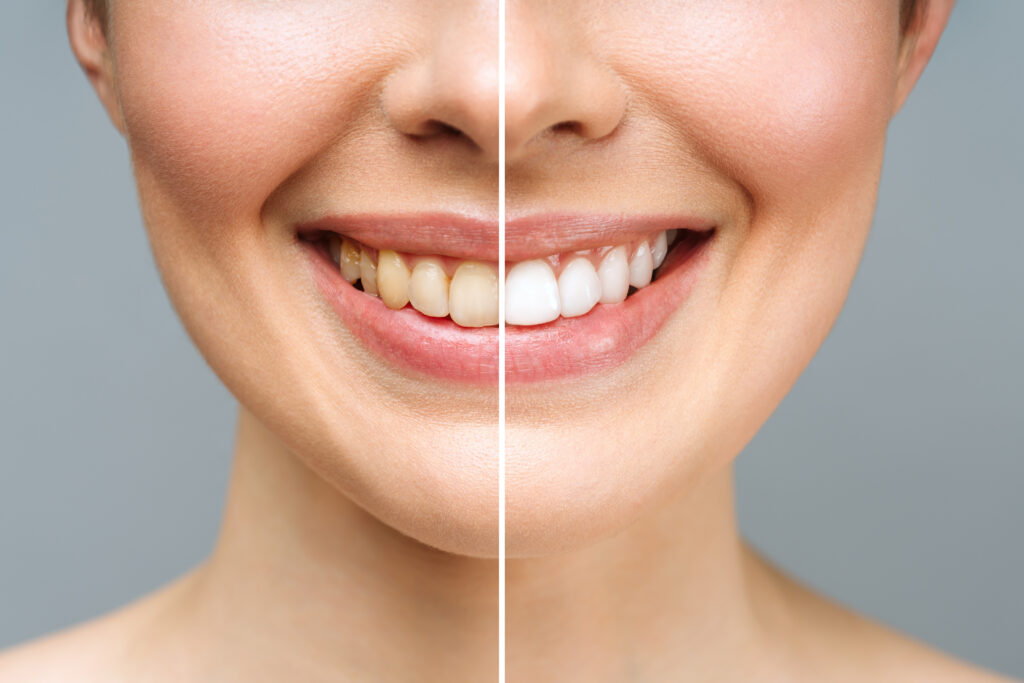

Professional teeth whitening treatments are cosmetic dental services that lighten tooth discoloration with supervised whitening agents. These treatments differ from standard store-bought products because the process is planned and monitored by a dental professional, offering fast and concentrated results. Tooth stains vary in cause, depth, and response to treatment, so professional treatments are more effective at addressing different stains. Here is information on professional teeth whitening benefits:
Providing More Concentrated Whitening Solutions
Teeth staining happens for several reasons, and the cause affects how well teeth whitening works. Surface stains commonly develop from coffee, tea, red wine, tobacco, and strongly pigmented foods. Deeper discoloration may be related to:
- Aging
- Past Trauma
- Certain Medications
Professional teeth whitening treatments are applied in a controlled way, and they use more concentrated whitening agents than over-the-counter options. In-office systems will apply the whitening solution evenly to the teeth and leave it on for a set amount of time. This approach improves contact between the whitening agent and the tooth surface. Surface stains often respond more predictably than deeper internal discoloration to professional teeth whitening.
Overseeing Whitening Treatments
Professional oversight is a practical advantage of in-office whitening treatments. Before starting, a dental professional can examine the teeth and gums, review the type of discoloration present, and determine whether whitening is an appropriate cosmetic option. Some patients may be better suited for in-office whitening, while others may prefer a take-home program that works over several days or weeks. Monitoring can help manage common issues during treatment. If sensitivity develops, the treatment plan may be adjusted by changing wear time, spacing out sessions, or using products to reduce discomfort
Offering Brighter Smiles Quickly
Professional whitening can produce visible changes faster than many standard retail options. In-office treatments are completed in a single visit, although the number of sessions depends on the starting shade and treatment goals. Take-home professional systems usually take longer, but they still tend to follow a defined schedule. Not all dental practices offer take-home options.
An in-office teeth whitening treatment aims to deliver safe, fast, and effective results under professional supervision. The process typically begins with a consultation to assess the current shade of an individual’s teeth and discuss their whitening goals. If whitening is possible that day, a protective barrier is applied to shield the gums and other sensitive tissues. A professional-grade bleaching agent is then applied to the teeth and, in many cases, activated by a special light or laser to enhance the whitening effect
The entire process usually lasts around 60 minutes, making it a convenient option for those seeking noticeable results in a short amount of time. There is little to no recovery time after in-office whitening treatment; most people can return to normal daily activities the same day. Some people may notice temporary sensitivity or mild gum irritation after their treatment, so following post-treatment instructions is fundamental. Whitening results can be prolonged with simple maintenance habits after a professional treatment. These may include:
- Limiting foods and drinks that commonly stain teeth
- Rinsing with water after dark beverages
- Using a straw when appropriate
- Avoiding tobacco products
- Keeping regular brushing and flossing habits
- Scheduling touch-up treatment when recommended
Whitening results are not permanent, but maintenance can help preserve a lighter shade for longer.
Benefit From Professional Teeth Whitening
Professional teeth whitening offers a structured way to address tooth discoloration with stronger materials, customized application, and direct oversight. To learn if in-office whitening is right for you, contact a dentist near you today. During a consultation, they can determine what treatment is appropriate for your goals, as every individual’s health is different.
