
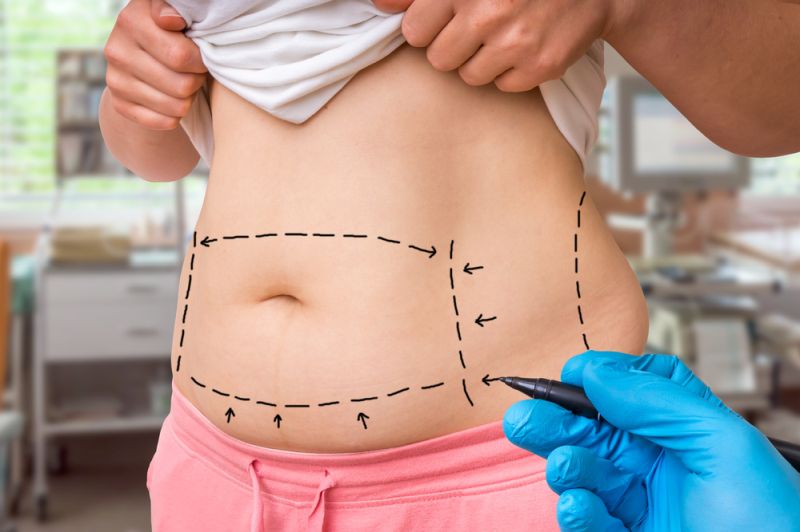

Abdominal wall reconstruction serves as a highly detailed surgical approach to completely repair severe core muscle damage. Surgeons carefully alter various muscle layers, and they reinforce weak tissues with specialized medical mesh products securely. When standard hernia repairs fail repeatedly, this complex surgery effectively rebuilds the entire muscular structure of your torso. Here is more information about this procedure and how it can restore function:
What is Abdominal Wall Reconstruction?
Because hernias can return after basic treatments, doctors may perform abdominal wall reconstruction instead. The detailed surgical procedure physically reshapes the separated muscles of your torso for much better structural support. Doctors aim to stabilize the damaged core muscles, but they never guarantee absolute perfection after the surgery.
This may involve these methods:
- Advanced mesh placement techniques
- Muscle component separation methods
- Surgical scar tissue removal
Who Needs This Procedure?
Physical trauma may cause severe core damage, and extensive weight loss stretches your abdominal tissue out significantly. If previous surgical interventions failed completely, medical professionals might strongly suggest this extensive route for your recovery. Many prospective patients struggle daily with giant hernias or severely recurring abdominal wall tissue defects. Multiple pregnancies split the midline muscles apart, so surgeons sew these large gaps closed during the surgery.
Aggressive tumors also may destroy the healthy abdominal walls of many affected patients over time. After cancer surgery, plastic surgeons may rebuild the remaining abdominal tissue structure. Severe muscle weakness creates noticeable outward bulges, so doctors must reinforce the compromised area immediately with mesh. Unhealed surgical wounds from past operations frequently require this advanced level of precise deep tissue repair.
While the physical recovery takes a very long time, patients typically regain their basic daily physical functions. Post-operative infections sometimes complicate the healing process, but dedicated surgeons treat these medical issues directly and quickly. Whenever minor complications arise during recovery, the nursing staff provides prompt medical assistance to all recovering patients.
Techniques Used in Abdominal Wall Reconstruction
Specialized surgeons divide specific muscles, and they carefully slide these newly released tissues closely together. This method closes wide physical defects along the exact center of your torso. When the physical gaps remain far too large to close, synthetic mesh provides the necessary extra support. Medical professionals layer this strong mesh directly under the muscles, and they secure it with permanent stitches.
Biological mesh materials come from safely processed human or animal donor tissues for medical reconstruction use. Synthetic materials may last much longer inside the body, but biological grafts may resist aggressive bacterial infections better. Because every individual patient’s body varies greatly, your surgeon specifically chooses the exact right material needed.
Can It Be Combined?
If patients seek a slightly better physical appearance, surgeons might add specific aesthetic steps to procedures. Doctors remove hanging excess skin entirely during the main restorative surgical operation on your abdomen. The main focus remains on physical function, but patients may appreciate the secondary aesthetic body changes. While physical appearance improves noticeably for many people, overall health remains the top priority for surgeons.
Schedule Abdominal Wall Reconstruction
Contact a surgeon’s office to begin your detailed surgical consultation process directly with our specialists today. They can review your complete medical history thoroughly, and they clearly discuss all available surgical options with you. Before you make any final medical decisions, call a local clinic now to book your initial appointment.
