
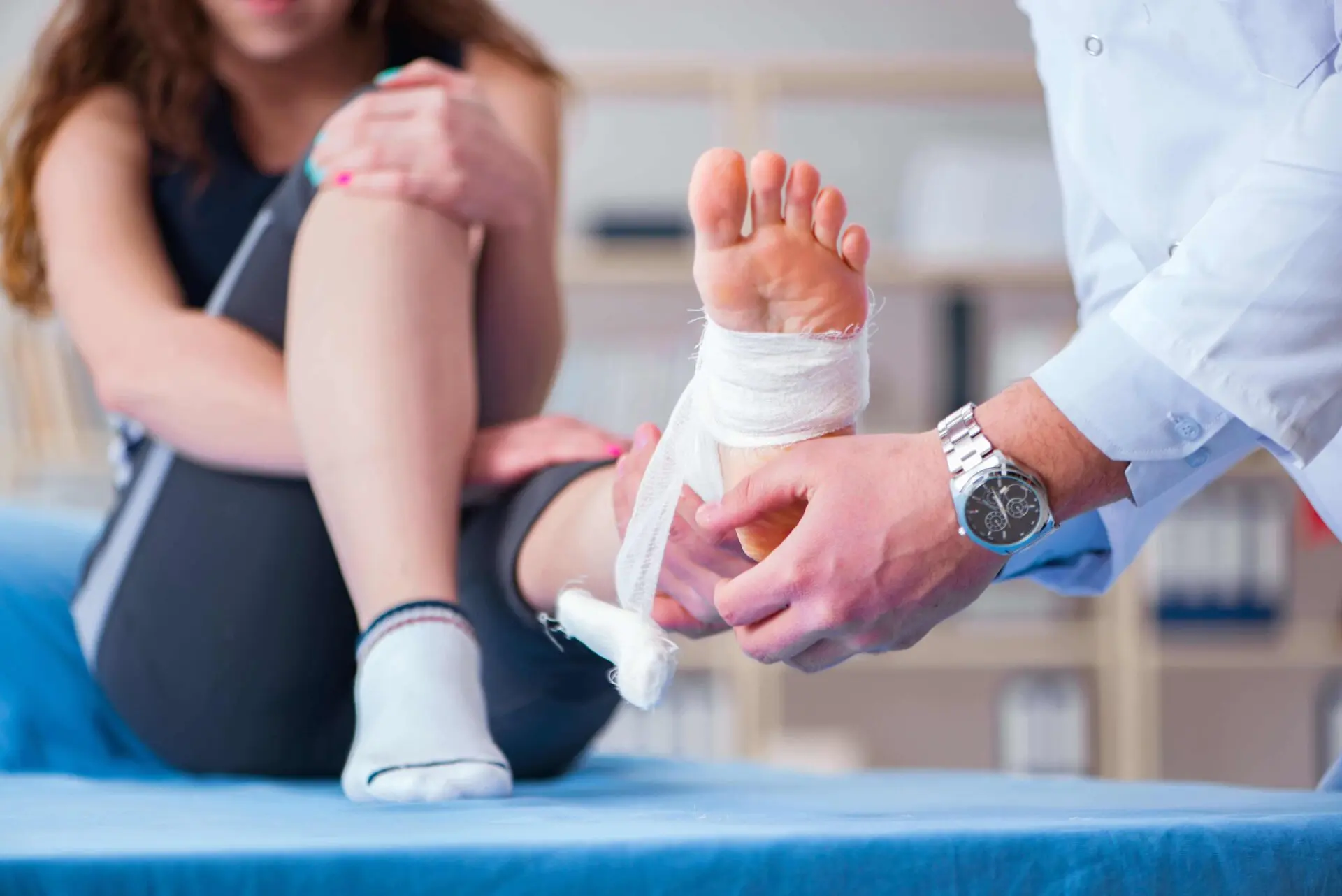

Recovery from lower-extremity surgery requires time, and patients benefit from structured guidance to regain full mobility. The body heals at its own physiological pace, but an effective rehabilitation plan can speed up the process. Foot and ankle specialists design these specialized protocols to restore anatomical function. Understanding the process helps patients prepare, thereby facilitating a smoother recovery.
What Is a Foot and Ankle Specialist?
A foot and ankle specialist is a medical doctor who focuses on the lower extremities, and they treat complex musculoskeletal conditions. These physicians diagnose and manage issues ranging from traumatic sports injuries to debilitating chronic arthritis. They understand the intricate biomechanical mechanics of the lower extremities, which they use to alleviate persistent joint pain.
What Services Do They Provide?
These doctors offer a wide array of diagnostic and therapeutic treatments, and they customize individual care plans for each patient they evaluate. Conservative therapies often involve prescribing custom-molded orthotics or targeted physical therapy regimens. When non-invasive methods fail to relieve symptoms, the specialist may evaluate the patient’s candidacy for advanced clinical interventions. They also provide comprehensive diagnostic imaging services in the clinic.
What Are Surgical Rehabilitation Approaches?
Following surgery, the healthcare team will initiate a carefully phased rehabilitation protocol that gradually reintroduces movement to the healing joint. In the early post-operative stages, adequate rest reduces localized swelling, and specialized protective boots keep the surgical site immobilized. Physical therapists introduce gentle range-of-motion exercises once the initial inflammatory healing phase concludes. Patients may practice targeted stretches daily at home to prevent the buildup of restrictive scar tissue.
As healing bones and repaired ligaments strengthen over time, the clinical focus shifts gradually toward bearing physical weight. Therapists may guide patients through progressive resistance training, and they monitor their gait to correct any underlying mechanical imbalances. Patients will steadily rebuild the muscle mass that has been depleted around the affected joint. The rehabilitative timeline varies for every individual.
How Is Specialized Care Beneficial?
Working with a dedicated podiatrist may yield better clinical outcomes. These experts understand the nuances of lower-extremity biomechanics, so they can anticipate potential recovery complications before they arise. A specialized clinical care team coordinates surgical and rehabilitative therapies into a unified treatment plan. Patients receive personalized medical attention throughout the process, which maximizes long-term mobility.
Specialized clinics also feature advanced rehabilitation equipment, which may accelerate the strengthening phase of the patient’s physical recovery. The staff members may communicate regularly to adjust clinical protocols. Having access to specialized resources helps expedite medical recovery. Patients can focus on performing their prescribed exercises, and doctors will handle the complex medical decision-making.
Facilitate Your Recovery Today
Taking an active role in your post-operative care helps accelerate recovery. Discuss all available rehabilitation options thoroughly with your doctor, and commit to attending every scheduled physical therapy session. Your personal dedication may impact your eventual long-term mobility, so follow prescribed medical advice. Contact a specialized podiatry clinic today to schedule a comprehensive consultation and let medical experts guide you back to a pain-free, functional lifestyle.
