
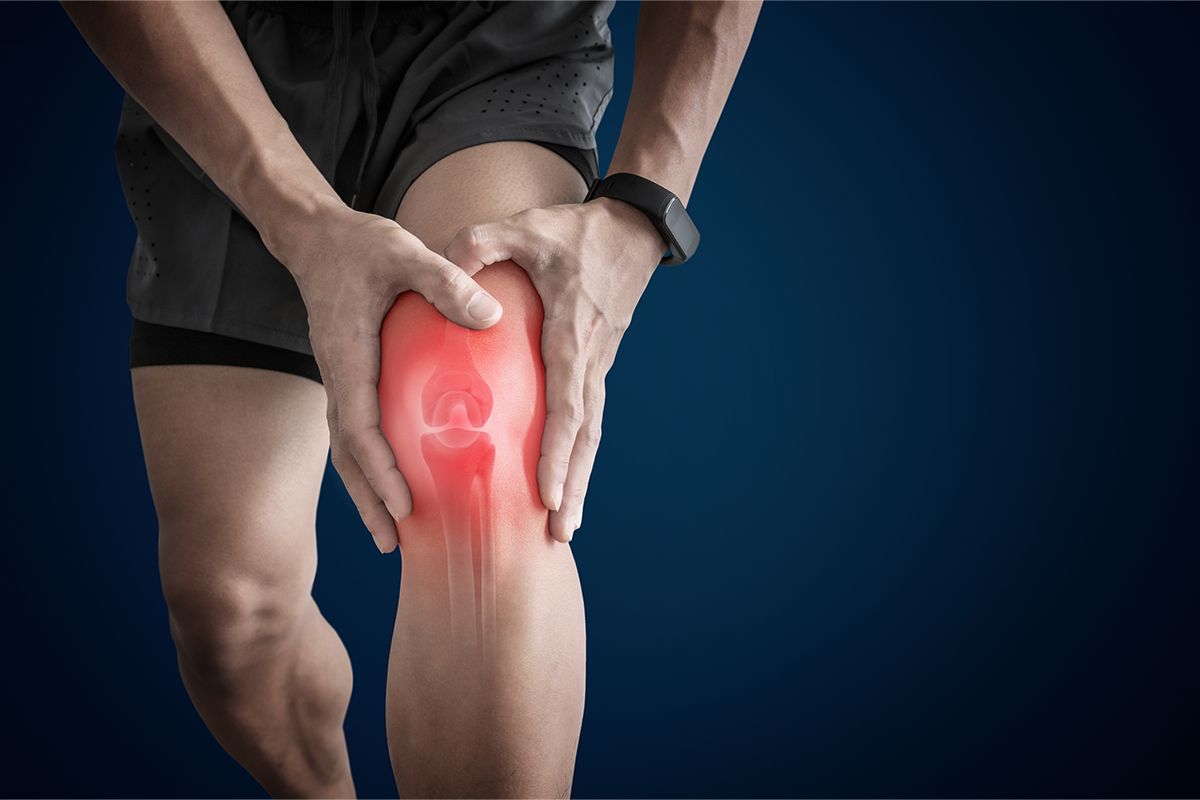

Knee pain is a common condition that can significantly impact mobility, daily activities, and overall quality of life, particularly when it becomes chronic. Whether caused by injury or underlying medical conditions, persistent knee pain often requires a comprehensive and consistent management approach. From lifestyle modifications and targeted exercises to medical interventions, effective strategies can help reduce discomfort and improve function over time.
a. Stay Active With Low-Impact Exercises
Staying active is key to managing your joint health. While high-impact sports can aggravate knee pain, you should explore gentler alternatives. Low-impact activities let you keep moving without straining your lower body. For instance, many people enjoy swimming because the water supports their body weight while still providing resistance for a good workout. Cycling is another great option for maintaining leg strength. You should start with short sessions on a flat surface, then gradually increase the duration.
Stretching also plays a fundamental role in keeping your joints flexible. Tight hamstrings or calf muscles sometimes pull on your joints, but regular stretching helps release that tension. You should always warm up your muscles slightly before attempting any deep stretches. Taking just five minutes every morning to stretch your legs can set a positive tone for the day and improve your comfort.
b. Maintain A Healthy Weight
Carrying extra weight puts mechanical stress on your lower joints. Every extra pound puts more pressure on your knees when you walk or climb stairs, but maintaining a healthy weight relieves this constant stress. A balanced diet is key to weight management, too. Try incorporating more whole foods, like vegetables and lean proteins, and reducing your intake of processed foods, to help manage calories.
Staying hydrated also supports your physical health, and drinking enough water aids in healthy digestion. Portion control is another helpful tool for reaching your weight goals. Using smaller plates should limit how much you eat, helping prevent accidental overeating. You can also plan meals to avoid impulsive choices when you are hungry.
c. Use Supportive Therapies And Tools
Targeted therapies can provide temporary relief from knee pain. Applying cold packs can reduce swelling, while heat therapy helps relax stiff muscles. Many people find these simple at-home treatments effective after prolonged standing or walking. Wearing a supportive knee brace or compression sleeve offers extra stability during physical activity. These garments gently squeeze the joint, and they help you stay aware of your leg placement.
Professional guidance takes the guesswork out of finding the right supportive tools. A physical therapist will recommend specific braces and show you how to adjust them. They should also teach you proper application techniques to get the most benefit from your gear. Using these tools during exercise does give you the confidence to move more freely.
d. Improve Daily Movement And Posture
Your daily movements impact the stress on your knees. Poor posture can shift your weight unevenly, straining your joints. Keep your feet flat on the floor, and try not to cross your legs for long periods. Your footwear also provides the foundation for your body’s alignment, so you should wear shoes with proper arch support.
Your work environment can also affect your posture. If you sit at a desk all day, you should set up your workspace ergonomically. Adjust your chair so your knees rest at a 90-degree angle to improve your comfort. Taking regular standing breaks encourages blood flow, and it prevents your leg muscles from stiffening during the workday.
Schedule Your Knee Pain Consultation
Managing chronic joint issues requires a proactive and consistent approach to your daily habits. While at-home strategies are incredibly helpful, professional medical advice remains a key component of long-term care. Reach out to an orthopedic specialist near you today for a thorough evaluation and personalized treatment plan. A thorough evaluation can pinpoint the exact cause of your discomfort, and a customized plan will address your specific needs. A specialist possesses the necessary expertise to guide you toward more effective management techniques.
