
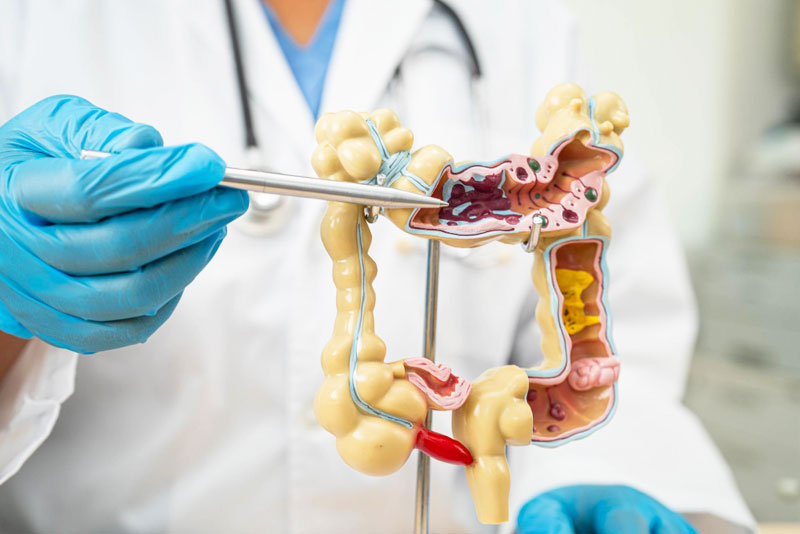

Colon surgery is a significant medical procedure that requires careful attention during the recovery phase to help achieve optimal healing and prevent complications. Effective post-operative care plays a key role in supporting patient outcomes, promoting comfort, and reducing the risk of infection or delayed recovery. From monitoring symptoms and managing pain to following dietary guidelines and activity restrictions, a structured care plan is necessary.
a) Pain Management and Early Recovery
It’s normal to feel some discomfort after your colon surgery, so your doctor will prescribe pain medication to help. Take your medication as directed, and don’t wait for the pain to get worse. Managing your pain allows you to rest well and move more easily, which are key parts of your recovery. As you heal, you can likely switch to over-the-counter pain relievers, but always follow your doctor’s advice.
You also need to monitor your body for any unusual changes during recovery. Check your temperature regularly, and pay attention to your energy levels. Some fatigue is normal, but let your doctor know if you have sudden pain or a fever. Keep a daily journal of your symptoms to track your progress and share these notes with your doctor at follow-up appointments to give them a clear picture of how you’re doing.
b) Post-Surgery Nutrition and Digestive Care
After bowel surgery, your digestive system needs time to recover. Doctors will start you on a liquid diet, then slowly add solid foods. Chew your food well, and eat smaller meals more often. This approach will help you prevent stomach upset as your body adapts, and also pay close attention to how different foods affect you.
Certain foods are better during the early stages of recovery. Your doctor will suggest items that are gentle on your stomach. The right nutrients help you rebuild strength and support healing. As you regain your appetite, try adding soft fruits like bananas. You can also eat well-cooked vegetables without skins or seeds.
c) Wound Care and Infection Prevention
Properly caring for your incision site is necessary for a smooth recovery after a colon operation. You’ll need to keep the area clean and dry, which helps prevent infections and other complications. Your healthcare team will provide specific instructions for changing your dressings, and it’s necessary to follow their guidance carefully.
Preventing infection is a top priority, so you must always wash your hands thoroughly before touching the wound. Use warm water and soap to clean your hands, as this simple step removes harmful bacteria. Watch for any signs of infection, such as increased redness, swelling, or any unusual discharge. If you notice any of these symptoms, contact your doctor right away.
d) Physical Activity and Gradual Mobility
Moving after colectomy surgery can be daunting, but it is necessary for your recovery. Start with brief, gentle walks around your home to improve circulation. You can slowly increase your distance each day. This light activity helps prevent stiffness and supports your digestive system as it returns to normal.
Listening to your body is key to a successful recovery. If you feel tired, sit down and take a break right away. Pushing yourself too hard will only slow down your progress. Pacing yourself helps you achieve a safe return to your active lifestyle. With consistent, gentle movement, you will notice your stamina steadily improving each week.
Book Your Colon Surgery Evaluation Now
Recovering from colon surgery involves a delicate balance of rest, proper nutrition, and careful wound management. Every patient experiences this journey differently, and you should never hesitate to ask for professional guidance. Following these fundamental steps will help make sure you stay on the right track, but they don’t replace the significant impact of professional support. Book an appointment with a board-certified surgeon near you today for a thorough evaluation and effective post-operative care plan. They will provide you with comprehensive care to aid your healing process.
