
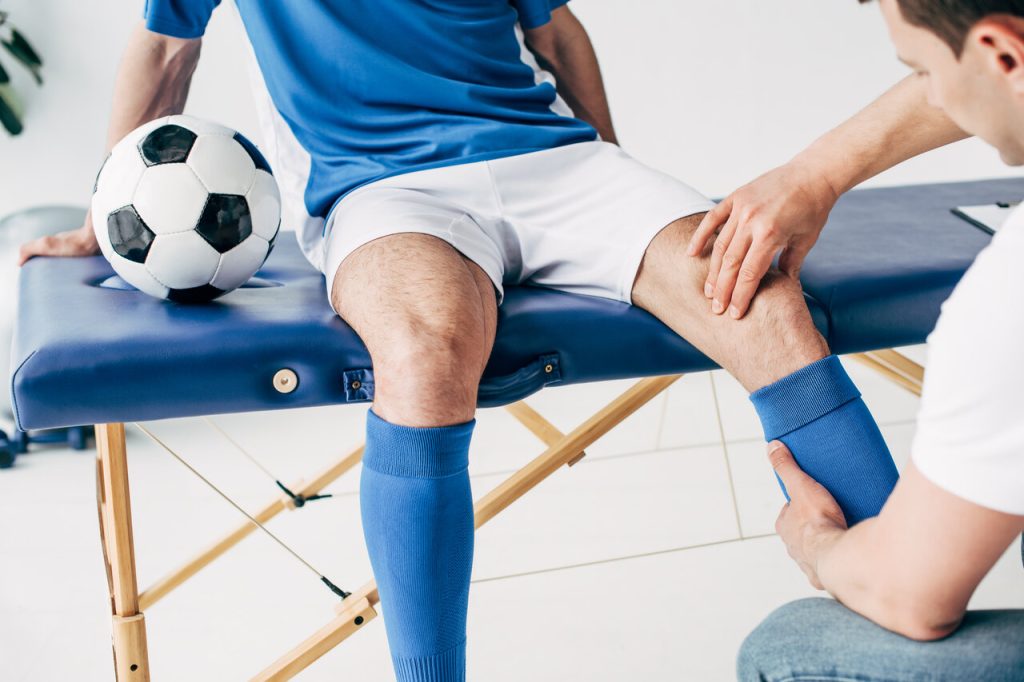

Sports injuries occur during athletic activities or exercise, and they require proper medical evaluation. Patients benefit from seeking medical attention after an incident on the field or in the gym. Physical therapy is a primary method of rehabilitation that helps individuals regain function. Here is more information on these injuries and effective rehabilitation techniques:
What Are Sports Injuries?
Sports injuries involve damage to the musculoskeletal system during physical exertion. These conditions affect bones, muscles, ligaments, or tendons, and they limit a patient’s overall mobility. Medical professionals may recommend physical therapy to address the root cause of the physical impairment. A structured rehabilitation program guides patients through specific exercises, which help restore strength.
What Are the Different Types?
Clinicians categorize these injuries as acute or chronic based on their onset, guiding treatment. Acute injuries happen suddenly during an activity, but chronic injuries develop over time from repetitive stress. Sprains involve stretched or torn ligaments. Strains occur when muscles or tendons stretch beyond their normal limits.
Tendinitis is a common chronic condition, and it is characterized by inflammation of a tendon. Stress fractures are tiny cracks in the bone, typically resulting from repeated physical impact. Medical imaging helps in diagnosing the exact nature of the damage. Accurate diagnosis dictates the subsequent physical therapy interventions.
What Is Physical Therapy?
Physical therapy is a clinical discipline focused on diagnosing and treating movement dysfunctions. Therapists use biomechanical principles to improve a patient’s physical abilities, and they create individualized treatment plans. The process begins with a comprehensive physical examination, during which the patient’s range of motion and strength are assessed. Practitioners establish baseline metrics, which help them track progress throughout the recovery period.
A standard session includes specific interventions designed to heal tissues and restore function. The therapist guides the patient through targeted movements, and the patient may perform independent exercises at home. Consistent application of these methods helps reduce pain levels. Medical teams adjust the treatment protocols based on the patient’s ongoing physical response, facilitating ongoing improvement.
What Are Effective Techniques?
Manual therapy involves hands-on manipulation of muscles and joints to improve tissue extensibility. Practitioners apply targeted pressure to affected areas, and they mobilize joints to reduce stiffness. This technique decreases localized swelling around the injury site, relieving pain. It serves as a more basic technique before progressing to more active forms of rehabilitation.
Therapeutic exercise represents another technique in sports rehabilitation. Patients may perform specific resistance exercises to build muscle strength and stretches to increase flexibility. These controlled activities stimulate blood flow to injured tissues, promoting active healing. The exercises gradually increase in difficulty as the patient builds tolerance.
Modalities such as cold therapy may also play a role in physical therapy. Ice application constricts blood vessels to reduce acute inflammation, which helps manage pain without pharmaceutical drugs. Clinicians select the appropriate modality based on the specific stage of tissue healing, so scheduling a consultation with a specialist is beneficial.
How Are They Beneficial?
These techniques promote tissue repair on a cellular level. Targeted exercises align collagen fibers during the healing process, creating stronger scar tissue. Improved tissue strength helps prevent recurrent injuries in the same anatomical location, and patients may experience a gradual restoration of their baseline physical capabilities.
Facilitate Your Recovery Today
Sports injuries disrupt physical activity routines and require clinical intervention. Physical therapy offers structured techniques to heal tissues, and these methods restore normal biomechanics. Patients who follow prescribed rehabilitation protocols may experience measurable improvements in their mobility. Schedule an evaluation with a sports medicine physical therapist to begin your personalized recovery program.
