

Porcelain veneers are thin shells that cover the front surface of teeth. They improve smile aesthetics, and they address several visible dental concerns. If you are discussing veneers, understanding their uses and limits helps you make a practical decision.
Common Smile Corrections
Porcelain veneers correct several cosmetic dental issues. They cover chips and cracks, and they reduce the visual effect of worn edges. If small gaps exist between teeth, veneers can close them while preserving overall balance. They are often placed on the front teeth. This makes them useful for visible concerns, and lets dentists make targeted changes without affecting every tooth. When minor damage alters a tooth’s outline, veneers restore a smoother edge.
If one tooth appears smaller due to a chip or space, a veneer adjusts its width and surface shape. Veneers also improve the shape and size of teeth. They correct teeth that look uneven, and they refine those that appear too long or too short. If teeth have irregular contours, veneers create a more uniform look that matches nearby teeth. This helps front teeth look more balanced, so you have a consistent look.
Practical Veneer Benefits
Porcelain veneers offer practical benefits, since people want targeted cosmetic improvement. They are custom-made for your teeth, and they create a natural-looking result. Because porcelain looks similar to enamel, veneers often blend well with nearby teeth. A custom design also supports balance across the smile. Your dentist may adjust length, width, and contour, and those changes improve the proportion of visible teeth. A veneer can refine a consistent appearance. Key advantages include:
- Natural appearance: Porcelain reflects light similarly to enamel, which helps veneers blend with surrounding teeth.
- Custom fit: Each veneer is shaped for your dental anatomy, so the result can look balanced and precise.
- Stain resistance: Porcelain resists surface staining better than natural enamel, which helps maintain color over time.
- Standard maintenance: Veneers do not require special care products, but they do need regular brushing, flossing, and dental visits.
- Long-term use: With proper care, porcelain veneers can last 10 to 15 years.
Stain resistance is another useful advantage. Coffee, tea, and other strongly pigmented drinks darken natural teeth, but porcelain tends to hold its shade more consistently. Since this can help the front teeth look more even over time, it sometimes reduces concerns about visible discoloration.
Usual Veneer Process
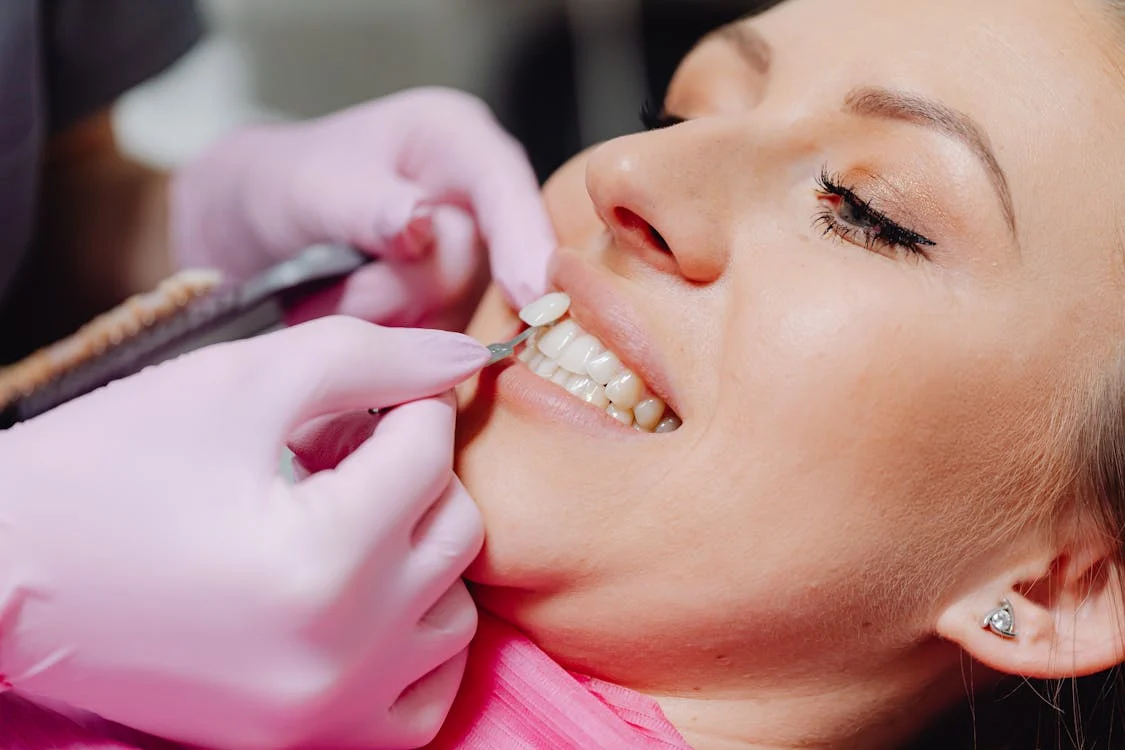
The veneer process may start with a dental consultation, so schedule one first. If veneers are appropriate, treatment planning begins after your dentist reviews shape, color, and alignment. This visit helps you understand what veneers address. Veneers depend on a secure bonded surface, and healthy tooth structure supports a better fit. During planning, you review the number of teeth to treat. Some people choose one or two veneers, and others treat several front teeth for a more consistent look. Shade selection is part of this stage. Your dentist compares nearby teeth, and they will recommend a color that looks balanced. This is the time to ask practical questions.
Discuss Porcelain Veneers Today
Porcelain veneers may improve tooth color, shape, spacing, and surface appearance. They offer a natural look, resist stains, and provide durable results with standard daily care. If you want to know whether veneers suit your needs, schedule a consultation with a qualified dentist. Veneers are an option to improve your aesthetic, so discuss the process today.
