
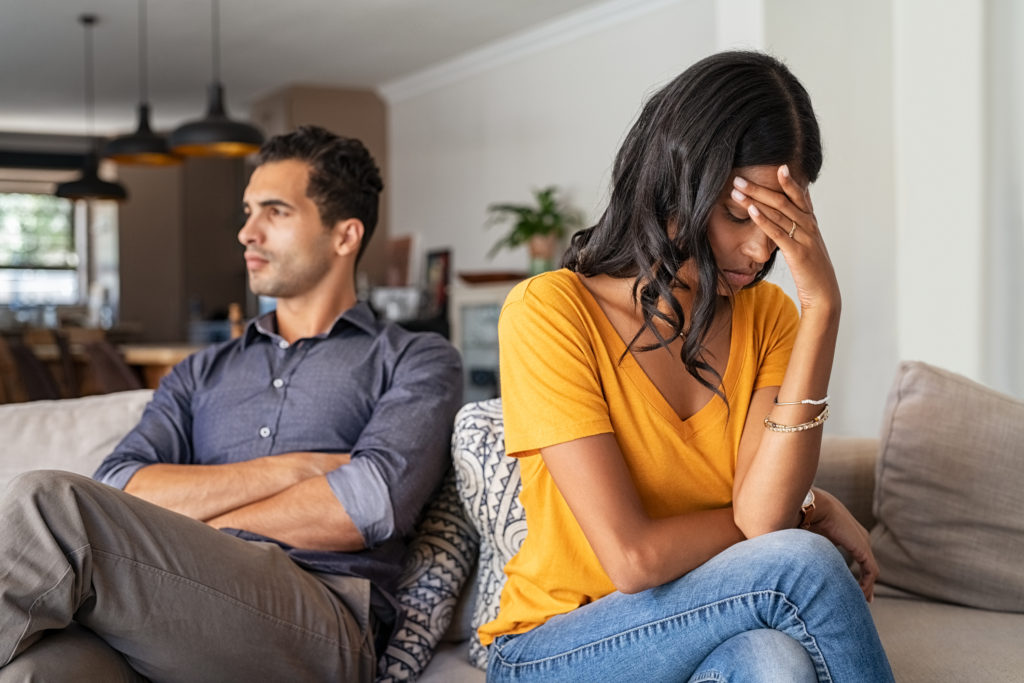

Couples counseling gives partners a structured environment to discuss relationship challenges with a licensed professional. A therapist observes interactions to pinpoint specific behavioral loops that lead to arguments, and this helps partners understand their reactions to disagreements. Through guided sessions, you learn practical strategies to manage conflicts productively. Here are some ways couples counseling helps navigate conflict:
Identifying Negative Patterns
Relationships often have predictable cycles of argument and withdrawal. When one person raises a complaint, the other might immediately become defensive. These recurring loops usually occur without either person realizing the exact trigger. A counselor tracks these interactions during a session, and this shows partners where their dialogue breaks down. By mapping out a typical fight, a therapist reveals a dispute’s underlying mechanics. Recognizing automatic reactions gives individuals an opportunity to pause before reacting. You and your partner might discover that a specific tone of voice initiates your frequent arguments, and bringing awareness to these habits lays the groundwork for changing them.
Improving Communication
Effective communication during disagreements improves with practice, as it relies on specific techniques. Partners might talk past each other because they focus on preparing their next response rather than listening. Couples counseling introduces methods like active listening to slow down the conversation; this forces both individuals to process the information accurately. During active listening exercises, one person shares their perspective while the other strictly listens and then repeats back what they heard.
Instead of making accusations, you learn to use “I” statements to express personal feelings. Saying “I feel overwhelmed when the house is messy” often leads to better outcomes than blaming your partner. Therapists also teach de-escalation tactics for heated conversations. If voices rise or physical tension builds, you can agree to take a timed break before resuming the discussion. These tools help reduce the frequency of shouting matches, and practicing them in the therapist’s office leads to better conversations at home.
Addressing Root Causes
Surface-level arguments often mask deeper issues, and a counselor asks targeted questions to uncover the origins of recurring disputes. Unmet childhood needs, past relationship trauma, or different financial backgrounds can cause everyday friction. Discussing these elements helps individuals understand the “why” behind their partner’s actions. Exploring the past provides context for present behaviors without excusing negative actions. Once you identify the real source of the friction, you address the actual problem instead of fighting over a symptom.
Building Empathy
Understanding another person’s viewpoint requires deliberate effort during a dispute. Empathy involves stepping outside your own perspective to see the situation through your partner’s eyes. In a counseling session, therapists guide individuals to validate their partner’s feelings, even if they disagree with the situation’s facts. Acknowledging someone’s emotions can help neutralize tension. As partners practice this validation, they create a safer space for vulnerable conversations. You begin to view your partner as an ally rather than an opponent, and this could transform the relationship’s dynamic.
Your counselor may also guide you through exercises to help strengthen your emotional connection as a couple. Exercises include sharing positive memories or expressing gratitude towards each other. These activities foster understanding, and they help partners recognize each other’s emotional needs more clearly.
Schedule Couples Counseling Today
Navigating relationship conflicts requires tools, patience, and professional guidance. A trained therapist provides an objective perspective, which helps break destructive habits. By committing to the process, you gain practical skills to handle disagreements constructively, and you take a proactive step toward a healthier dynamic. Schedule couples counseling today to address your relationship challenges in a supportive environment.
