
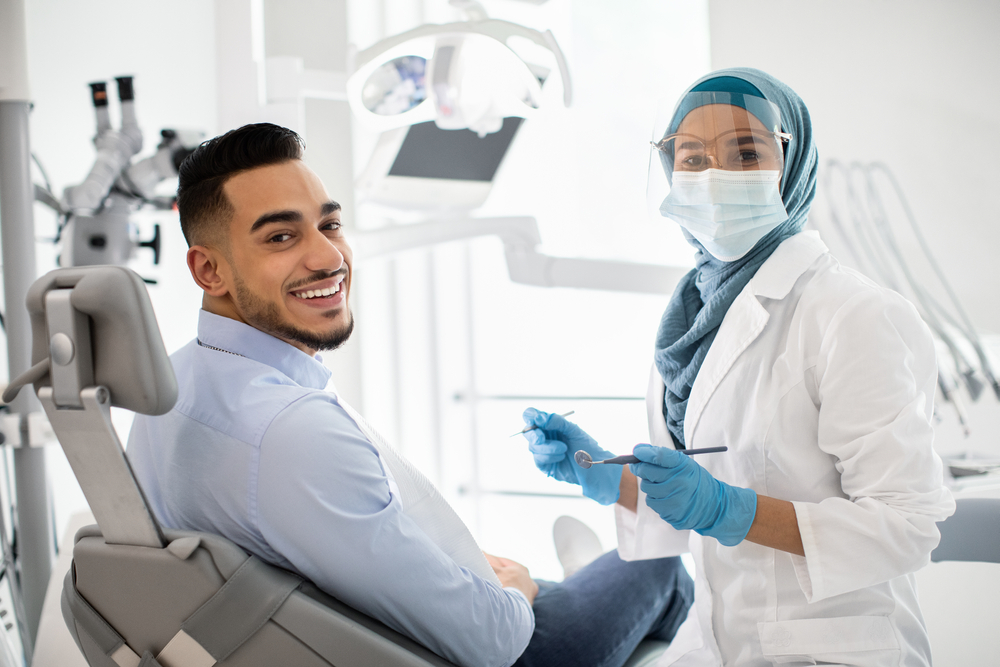

Maintaining optimal oral health requires routine visits to a qualified medical professional. People seek dental care for a variety of reasons, including regular examinations, restorative procedures, and specialized treatments. Selecting a dentist who meets specific personal and medical requirements facilitates effective care over time, and finding the right fit can make managing your overall health more predictable.
What Is a Dentist?
A dentist is a healthcare professional who specializes in diagnosing, treating, and managing conditions related to the mouth, teeth, and gums. These practitioners undergo extensive medical education, managing overall oral health needs for patients of all ages. Routine visits to a general practitioner help identify minor issues, preventing them from developing into advanced complications.
What Services Do They Provide?
Dental offices deliver a broad spectrum of clinical treatments. Preventative care focuses on preserving oral health and aims to prevent decay from occurring. This category includes routine physical examinations and professional teeth cleaning. Catching early signs of decay allows providers to intervene quickly, stopping disease progression.
Restorative dentistry repairs or replaces damaged teeth. When decay forms a cavity, a dentist can remove the compromised tissue and place a filling in its place. For more extensive damage, providers use crowns to protect the remaining tooth structure. Missing teeth require replacements like dental implants. These clinical solutions restore basic mechanical functions such as chewing and speaking.
Cosmetic procedures alter the physical appearance of a patient’s smile. Common treatments include professional teeth whitening to lift stains, porcelain veneers to cover minor imperfections, and clear aligners to straighten teeth. Some dental practices also expand their cosmetic offerings to include specialized aesthetic procedures, like dermal fillers. Providers tailor these specific treatments based on individual patient goals and thorough clinical evaluations. Emergency dentistry is also available at some clinics; this is used to address sudden traumas, severe pain, or broken teeth.
What Is Right for You?
Selecting a dental provider involves evaluating several practical and clinical factors. A practice situated near your home or workplace reduces travel time and can make routine preventative appointments more convenient to schedule. Review the specific services offered at the clinic. If you require specialized treatment, verify that the practitioner offers the necessary care.
During a consultation, the dental team will assess your oral health and discuss your medical history. Based on this initial assessment, the dentist will explain their findings and propose a personalized treatment plan. This is a collaborative process where you can discuss the recommended procedures, ask questions, and express any concerns. The dentist will outline the benefits and risks of each option. This allows you to make an informed decision about your care that aligns with your health needs and personal preferences.
Meet With a Dentist
The right practitioner will listen to your concerns, explain diagnoses clearly, and present multiple treatment options when applicable. Building a solid working relationship with a capable medical provider can make routine care manageable, helping to facilitate long-term health management. Take the time to evaluate a practice’s listed services and select a clinic that aligns with your specific scheduling and healthcare parameters.
