
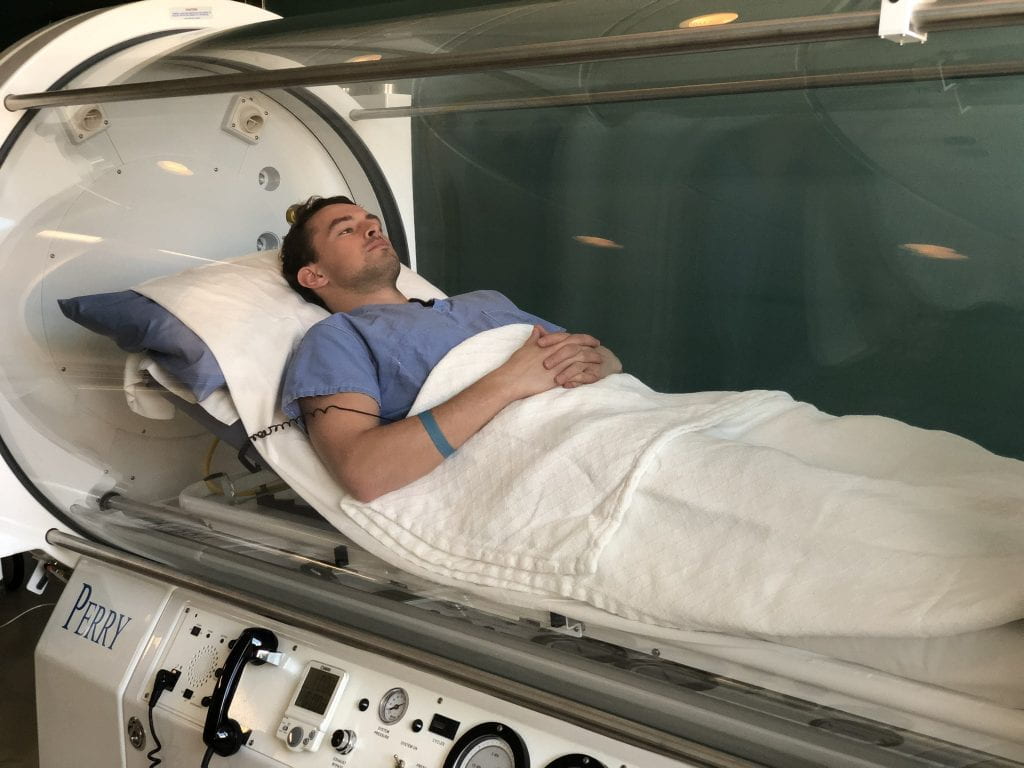

Recovery is a fundamental part of maintaining performance and returning safely to training after physical strain or injury. Hyperbaric oxygen therapy (HBOT) can support healing by increasing oxygen delivery throughout the body in a pressurized environment. Here is a closer look at the benefits of HBOT for athletes:
Supporting Tissue Recovery
Tissue damage occurs frequently during intense physical training or competitive sports. When the body sustains an injury, the affected area requires a fundamental supply of oxygen to repair cellular structures. Hyperbaric oxygen therapy delivers oxygen effectively, and it stimulates the immune system.
The pressurized chamber environment forces oxygen to dissolve directly into the bloodstream at elevated rates. This concentrated oxygen reaches areas with restricted blood flow, and it reduces localized swelling. While normal breathing limits oxygen absorption, the hyperbaric machine creates an optimal setting for cellular regeneration.
Exploring Potential Athletic Benefits
Athletes may experience specific physiological benefits when they use HBOT for recovery. Here are some of them:
- Muscle recovery: Oxygen therapy reduces cellular inflammation, and it helps muscles heal faster after strenuous activity.
- Joint health: Pressurized oxygen reduces swelling around the joints, providing physical relief to the patient.
- Energy restoration: Treatment boosts cellular energy production, and athletes frequently report higher physical energy.
- Cognitive function: Enhanced brain oxygenation improves cognitive sharpness while individuals recover from systemic physical fatigue.
These therapeutic outcomes make HBOT a helpful tool for sports rehabilitation. Medical providers monitor patient progress carefully, and they adjust treatment protocols to maximize these specific benefits.
Setting Realistic Expectations
The treatment does not replace fundamental medical care or proper physical training routines. Hyperbaric oxygen therapy offers distinct benefits, but athletes must maintain grounded expectations regarding its capabilities. While the chamber accelerates healing, it requires time to produce measurable physiological changes.
Recovery timelines vary significantly among different individuals and specific injury types. A minor muscle strain may heal quickly, but a severe ligament tear demands a comprehensive rehabilitation plan. When patients understand these variables, they can approach their therapy sessions with a more practical mindset. Athletes achieve the best results when they combine HBOT with other evidence-based recovery methods.
Evaluating Safety Concerns
Clinical oversight is a key component of any successful hyperbaric treatment plan. Facilities must enforce strict safety protocols, and patients must follow all provided guidelines. The following points are fundamental factors that athletes must contemplate before starting therapy:
- Medical clearance: Physicians must approve the treatment, and they evaluate the patient for any physiological contraindications.
- Chamber type: Medical-grade hard chambers provide sufficient pressure, whereas soft chambers often lack clinical therapeutic efficacy.
- Ear pressure: Patients experience ear pressure changes, and technicians teach them proper ear-clearing techniques.
Proper supervision minimizes risks during the HBOT process. Trained technicians constantly monitor the chamber pressure and, they make sure that patients remain comfortable.
Book Your Hyperbaric Oxygen Therapy Appointment
HBOT provides a clinical approach to sports recovery and tissue regeneration. The treatment delivers high concentrations of oxygen to damaged tissues, thereby supporting the body’s natural healing mechanisms. While athletes seek optimal performance, they must integrate this therapy into a broader medical rehabilitation strategy. Contact a qualified healthcare provider in your area to book your hyperbaric oxygen therapy appointment today.
