
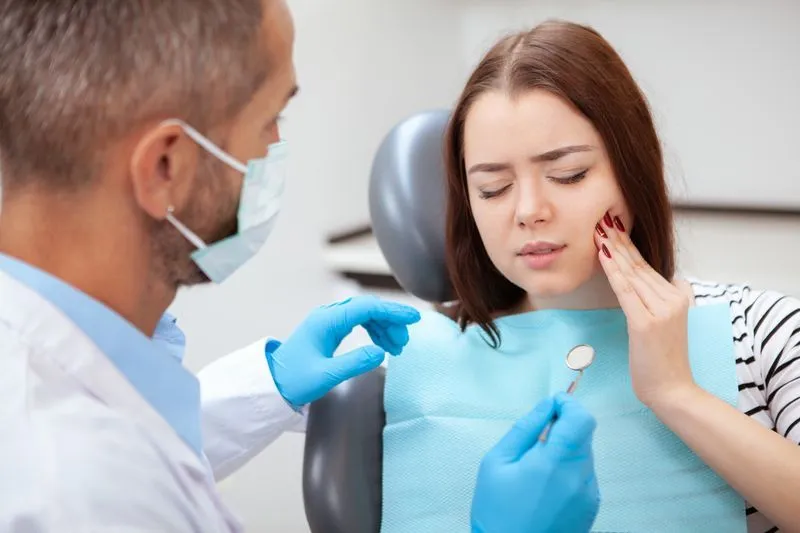

Dental emergencies can occur suddenly and require prompt attention to protect oral health and prevent complications. Emergency dental care provides timely treatment for injuries, severe tooth pain, and other urgent oral conditions that are not life-threatening but still need immediate care. Understanding how to respond to common dental emergencies helps reduce damage and support faster recovery. Here are a few common emergency dental care procedures explained:
Treating Knocked-Out Teeth
A knocked-out permanent tooth is an emergency dental care and requires immediate attention. Quick action increases the chance of saving the tooth. The tooth should be picked up carefully and rinsed gently with cool tap water to remove debris.
If possible, the tooth should be placed back into its socket without forcing it. If reinsertion is not possible, it can be kept moist in the cheek or placed in milk until dental care is received. A dental team will evaluate the injury and will be able to reposition and stabilize the tooth when appropriate. Prompt treatment improves the likelihood of preserving the natural tooth.
Easing Severe Toothaches
A severe toothache can signal an underlying dental issue that requires professional evaluation. Temporary relief is able to come from over-the-counter anti-inflammatory medication or rinsing with warm saltwater. These steps help manage discomfort until dental care is available.
If pain continues after home care, a dental provider can assess the cause and determine appropriate treatment. Identifying the source of the pain allows the dental team to address the underlying issue rather than just the symptoms. Early evaluation helps prevent more serious complications and supports overall oral health.
Repairing Damaged Restorations
A cracked crown or loose bridge is a dental emergency that requires prompt attention to prevent further damage. Any broken pieces should be carefully collected and stored in a clean container such as a plastic bag or wrapped in foil. After securing the restoration, a dental team should be contacted to arrange an evaluation as soon as possible. Depending on the extent of the damage, the provider may repair the restoration with bonding or recommend a replacement to restore function and appearance.
Managing Oral Trauma and Bleeding
Oral injuries such as cuts, lacerations, abscesses, or ongoing bleeding require prompt attention. Applying gentle pressure with clean gauze helps control bleeding while you contact a dental team for guidance and next steps. Staff may also provide instructions to help manage pain, swelling, and discomfort before you arrive. Common oral trauma cases include:
- Cuts and lacerations that continue to bleed
- Oral abscesses
- Chipped, cracked, or damaged teeth
- Broken orthodontic appliances or related injuries
Once you arrive at the dental office, the provider evaluates the extent of the injury and determines the appropriate treatment. The dental team works to stabilize the affected area and address the underlying issue. Early care helps reduce the risk of infection and supports long-term oral health.
Preventing Future Dental Emergencies
Preventing dental emergencies starts with consistent daily oral hygiene habits that reduce the risk of sudden problems. Brushing twice a day and flossing at least once daily help control plaque buildup and support overall oral health. In addition to at-home care, dental professionals recommend regular preventive measures to maintain a healthy smile, including routine checkups, a balanced diet, and protective gear when needed. These habits work together to identify small issues early and reduce the likelihood of more serious dental complications over time.
Book Your Emergency Dental Care Today
A dental emergency can feel overwhelming, but prompt care helps stabilize the situation and reduce discomfort. Emergency dental services address issues such as knocked-out teeth, severe toothaches, and damaged restorations with timely evaluation and treatment. Same-day appointments allow dental teams to assess the problem and provide appropriate care based on the severity of the condition. Contact a dental office today to schedule emergency treatment and receive the care your smile needs.
