
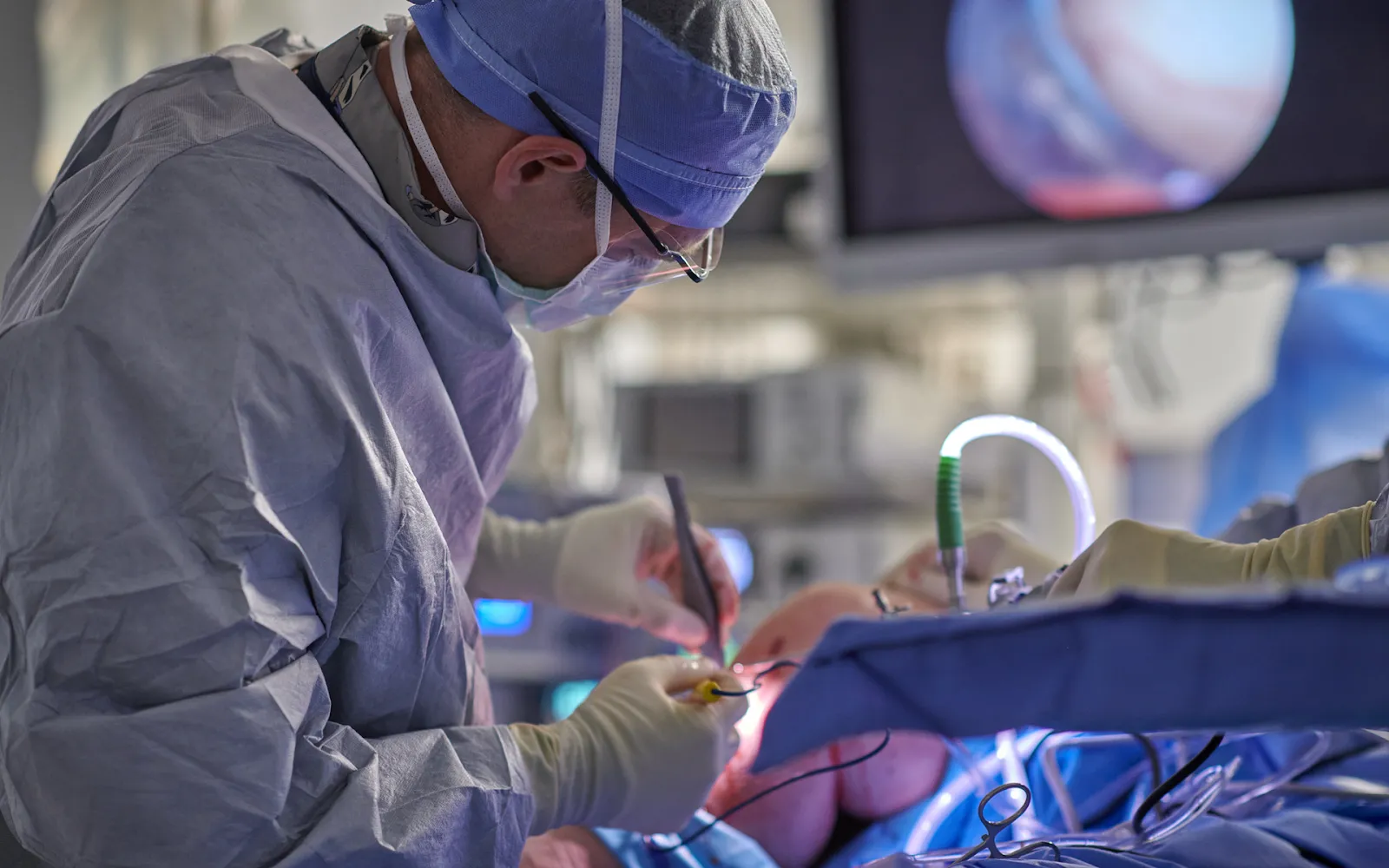

Orthopedic issues affect the musculoskeletal system, and patients require effective medical treatments to resume their normal lives. When conservative treatments fail to resolve these physical limitations, patients may undergo surgical intervention. Understanding the surgical process helps individuals make informed decisions about their health. Here is more information on the various surgeries performed by orthopedic surgeons:
What Is Orthopedic Surgery?
Orthopedic surgery is a medical specialty focused on treating injuries and diseases of the musculoskeletal system. An orthopedic surgeon performs these procedures to repair structural damage, and they work to restore overall physical function. The musculoskeletal system provides form, support, and stability to the body, so any impairment requires specialized medical attention. By addressing these structural problems, surgeons help patients regain mobility, potentially allowing them to resume daily activities without persistent discomfort.
What Are the Different Types?
Surgeons utilize several distinct surgical techniques depending on the patient’s specific injury or condition.
- Joint replacement: This procedure involves removing a damaged joint and substituting it with an artificial prosthesis.
- Arthroscopy: A minimally invasive procedure where the surgeon uses a small camera to view and precisely repair joint damage.
- Fracture repair: This procedure uses metal plates, pins, or screws to hold bone pieces together while they heal.
The chosen method depends on the patient’s specific injury or condition.
What Conditions Are Treated?
Orthopedic procedures address a wide array of acute injuries and chronic medical conditions. Patients may undergo surgery to alleviate severe osteoarthritis, a degenerative joint disease that destroys cartilage over time. Sports injuries, such as torn ligaments and meniscus tears, routinely require surgical intervention, and this facilitates proper physical healing. Congenital conditions, spine disorders, and bone tumors represent other medical issues that are cared for under this surgical specialty.
What Is Recovery Like?
The rehabilitation period following an operation varies depending on the specific procedure performed. Patients may begin physical therapy shortly after surgery, and this therapeutic movement helps rebuild strength and restore joint flexibility. Pain management strategies play a valuable role during the initial healing phase, since patients need to control postoperative discomfort to participate in rehabilitation. Following the prescribed physical therapy plan may improve the physical outcomes.
Activity restrictions remain in place during the early stages of recovery, and patients may receive specific guidelines regarding physical movement. Patients should avoid heavy lifting, high-impact exercises, and strenuous movements while the surgical site heals. Medical professionals monitor progress through follow-up appointments, and they adjust the rehabilitation timeline if the patient experiences delays in healing. Adhering to these medical guidelines helps prevent complications, which promotes successful long-term rehabilitation.
How Is Surgery Beneficial?
Surgical intervention provides relief for individuals suffering from chronic joint and bone issues. The primary benefit is a substantial reduction of severe pain, and this may resolve discomfort that previous conservative treatments failed to fix. Restored mobility is another advantage, because some patients regain the ability to walk, climb stairs, and perform everyday tasks without physical limitations. These functional improvements can lead to greater independence and a higher quality of life.
Consult an Orthopedic Surgeon Today
Orthopedic surgery provides effective solutions for debilitating musculoskeletal conditions, acute injuries, and degenerative diseases. The various procedures repair structural damage, relieve chronic pain, and restore functional mobility. A thorough medical evaluation determines the most appropriate surgical approach, as every individual case presents unique anatomical challenges. Schedule a consultation with an orthopedic surgeon today, and you can discuss your symptoms to explore all available treatment options.
