
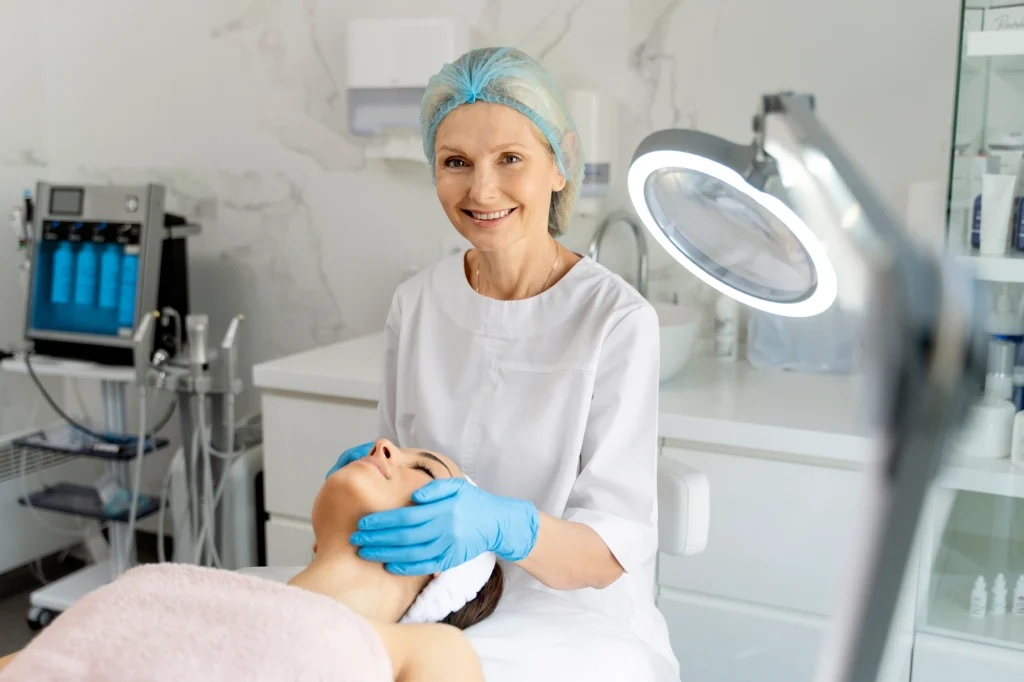

Medical spas blend clinical treatments with a traditional spa environment, and maximizing your medspa experience involves understanding the available treatments. Medspas offer medical-grade cosmetic procedures such as Botox and IV therapy, which address various dermatological and physiological concerns under professional clinical supervision. Here is more information on these facilities and how to maximize your experience:
What Is a Medspa?
A medspa functions as a regulated healthcare environment in which licensed medical professionals perform specialized aesthetic procedures. Patients receive medical-grade care, and practitioners monitor their physiological responses throughout the visit. Regulatory oversight dictates the operational standards of these facilities. A medical director oversees the staff, and they establish the standardized treatment protocols.
What Are the Available Services?
Medical spas offer an array of targeted clinical procedures. Practitioners administer Botox and dermal fillers, and they also perform liquid rhinoplasty to alter facial structure. If a patient requires cellular rejuvenation, the clinician may recommend microneedling or hair restoration protocols.
Systemic treatments provide alternative therapeutic options for patients. IV therapy delivers hydration directly into the bloodstream, and hormone replacement therapy balances internal hormonal levels. Since these procedures require specific physiological knowledge, trained clinicians manage all related treatment protocols.
What Issues Do They Address?
Clinical services address a range of physical and aesthetic conditions caused by aging and other factors. Common aesthetic conditions include:
- Volume Loss and Wrinkles: Neurotoxin injections and dermal fillers are used to treat patients experiencing volume loss or dynamic wrinkles.
- Systemic and Physiological Issues: Intravenous treatments address systemic dehydration, while hormone replacement therapy manages physiological imbalances.
- Skin and Hair Concerns: Microneedling stimulates collagen production to support tissue repair, and hair restoration protocols target alopecia.
Practitioners evaluate presenting symptoms to develop targeted clinical interventions based on the diagnosis.
What Does the Experience Involve?
The clinical process begins with a comprehensive medical consultation, during which the provider evaluates the patient’s medical history. They also discuss specific treatment objectives. Before any procedure commences, the practitioner documents baseline metrics, and they may outline potential medical contraindications.
Once the initial evaluation concludes, the medical professional initiates the selected therapy. The clinician maintains a sterile field during the entire intervention. The patient remains under close observation, and the provider records all clinical responses.
Post-procedure protocols finalize the clinical visit. The provider administers topical applications, and they review the discharge instructions with the patient. Before the individual leaves the facility, the administrative staff schedules the necessary follow-up assessments.
How Can It Be Maximized?
Patients optimize their clinical outcomes through strict adherence to protocols. The individual provides full medical disclosure, and the practitioner tailors the intervention accordingly. Each treatment requires specific physiological conditions, so the patient should follow all preoperative instructions carefully.
After the procedure concludes, the recovery phase dictates the final clinical results. The medical provider issues detailed post-treatment care guidelines. Patients attend all scheduled follow-up appointments, and they benefit from reporting any adverse reactions immediately.
Daily lifestyle factors may affect the efficacy of medical aesthetics treatments. Unprotected sun exposure degrades dermal treatments, and tobacco use impairs the cellular healing process. When patients maintain healthy physiological habits, they can prolong the beneficial effects of their clinical procedures.
Prepare for Your Appointment Now
Proper preparation is key to the success of a medical spa visit. Patients benefit from reviewing their medical histories, and they should schedule initial consultations with licensed clinical providers. If you seek specific aesthetic outcomes, contact a certified medical spa to initiate the evaluation process today.
