
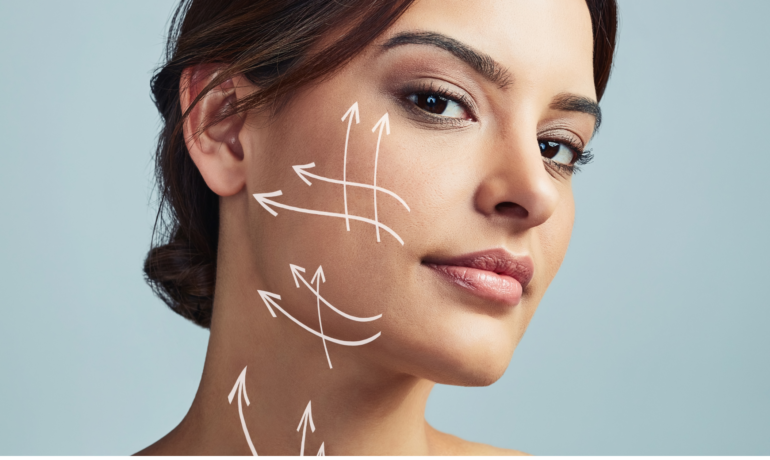

Fat grafting is an aesthetic procedure that transfers a person’s own fat from one area of the body to another. Surgeons remove fat through liposuction, process it, and then reinject it into a target site to restore or add volume. Because the procedure uses the patient’s own tissue, it is also called autologous fat transfer. The technique appears in several aesthetic contexts, from facial contouring to body shaping. Here’s information on fat grafting techniques and how they are used in aesthetic surgery:
How Autologous Fat Transfer Works
Autologous fat transfer follows three main stages: harvesting, processing, and injection. During harvesting, the surgeon uses a thin cannula to remove fat from a donor area. The abdomen, thighs, or flanks are common choices because they often contain sufficient fat volume. In the processing stage, the collected fat is purified to separate usable fat cells from fluids, blood, and other components. Depending on the surgeon, this step may involve:
- Centrifugation
- Filtration
- Settling
The goal is to prepare consistent material for placement.
The final stage is injection, where the surgeon places small amounts of processed fat into the target area using fine cannulas. This distributes it across multiple layers to support an even result. Not all of the transferred fat cells survive, so the body reabsorbs a portion over the following weeks. Surgeons account for this by adjusting the volume they place during the fat grafting procedure.
Where Fat Grafting Is Done
Fat grafting is applied to several areas of the face and body. Some common treatment regions include:
- Face: Cheeks, temples, under-eye hollows, and the jawline, where the technique is used to address volume loss.
- Hands: The back of the hands, to soften the appearance of tendons and veins.
- Breasts: For shaping, contour adjustments, or as part of reconstruction following other procedures.
- Buttocks: To add volume or refine contour, sometimes combined with liposuction of surrounding areas.
The suitability of each area depends on individual anatomy and goals, and a surgeon evaluates these factors during consultation. The amount of donor fat available also influences which procedures are feasible for a given patient.
What To Expect
Fat grafting begins with a consultation. The surgeon reviews medical history, examines donor and recipient areas, and discusses realistic outcomes. The procedure may be performed under local or general anesthesia, and the choice depends on the treatment area and the volume involved. Procedure length varies with complexity, ranging from under an hour for small facial corrections to several hours for larger body areas.
Recovery typically involves swelling and bruising at both donor and recipient sites. Patients may need to limit certain activities for a defined period, and the surgeon usually provides instructions on compression garments, positioning, and follow-up visits. Final results become more apparent once swelling subsides and the body completes its reabsorption process, which can take several weeks to months.
Determine If Fat Grafting Is Right For You
Fat grafting offers a way to redistribute a person’s own fat for aesthetic purposes. The procedure follows a clear sequence of harvesting, processing, and injection, and the outcomes depend on individual factors such as the availability of donor fat. To determine if a fat transfer is appropriate for your aesthetic goals, contact a board-certified plastic surgeon today. During a consultation, a specialist can review your candidacy, discuss the techniques relevant to your situation, and clarify recovery expectations.
