
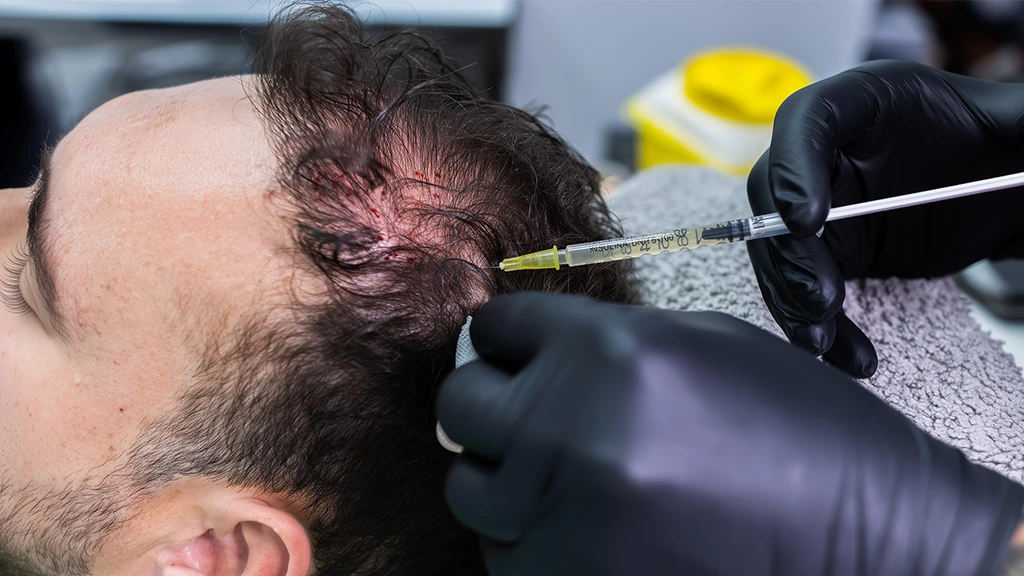

Hair restoration is a medical procedure used to address hair loss by transplanting or repositioning hair follicles to areas of thinning or balding. The treatment follows a structured process that includes evaluation, procedure planning, and a recovery period where results develop gradually over time. Post-procedure care instructions are provided to support healing. It also supports proper follicle growth. Patients are advised to follow aftercare guidelines to maintain treatment outcomes and reduce the risk of complications. Here is more information on how to get the best results from your hair restoration treatment:
Follow Your Treatment Plan
Doctors provide specific post-treatment instructions based on the type of hair restoration procedure performed. Patients are expected to follow them closely to support proper healing. A structured recovery plan typically includes guidance on how to care for the treated area. It also can include when to resume normal activities, and how to use any prescribed medications or topical treatments that support healing. These instructions are designed to protect newly transplanted follicles. It also promotes healthy growth during the recovery period.
Recovery follows a set timeline that allows the body to heal gradually after the procedure. Even if patients feel comfortable early in the process, they are advised to avoid strenuous activity and sudden movements that could disrupt healing. Rest and adherence to aftercare guidelines help with the best possible outcome by allowing transplanted grafts to stabilize properly. Consistently following these steps supports recovery and improves overall treatment success.
Protect Your Healing Scalp
Protecting the scalp after hair restoration is a key part of the healing process. The treated area is more sensitive to environmental exposure. Sun exposure can affect healing skin, so patients are often advised to limit direct ultraviolet (UV) exposure during recovery. Wind and dry conditions may also contribute to irritation or dryness of the scalp, which can slow the healing process and affect comfort. Wearing appropriate head protection outdoors helps reduce these risks while the scalp continues to heal. Recommended scalp protection practices during healing include:
- Wearing a loose, breathable hat or cap to reduce direct sun exposure
- Avoiding prolonged time in strong sunlight, especially during peak UV hours
- Keeping the scalp protected from wind exposure to prevent dryness and irritation
- Preventing sunburn, which can slow the healing process and affect recovery outcomes
Support Scalp Health and Recovery
Scalp care supports healthy hair growth. Treatments focused on cleansing, hydration, and overall scalp condition help address dryness, flaking, and irritation. Maintaining a balanced scalp environment supports the natural hair growth process, and consistent care helps improve both comfort and overall scalp health. Stress management also affects recovery and general wellness, as high stress levels is albe to affect the body and slow healing processes.
Schedule Your Hair Restoration Appointment
After the initial healing phase, patients attend follow-up appointments to assess progress. They also evaluate graft survival or hair growth response. Providers review the treatment area and may adjust care instructions based on how the scalp is healing. Consistent aftercare practices, such as protecting the scalp and following medical guidance, support proper recovery and long-term results. Scheduling regular check-ins helps support that the treatment is progressing as expected. To begin treatment or discuss next steps, contact a medical provider to schedule a consultation.
