
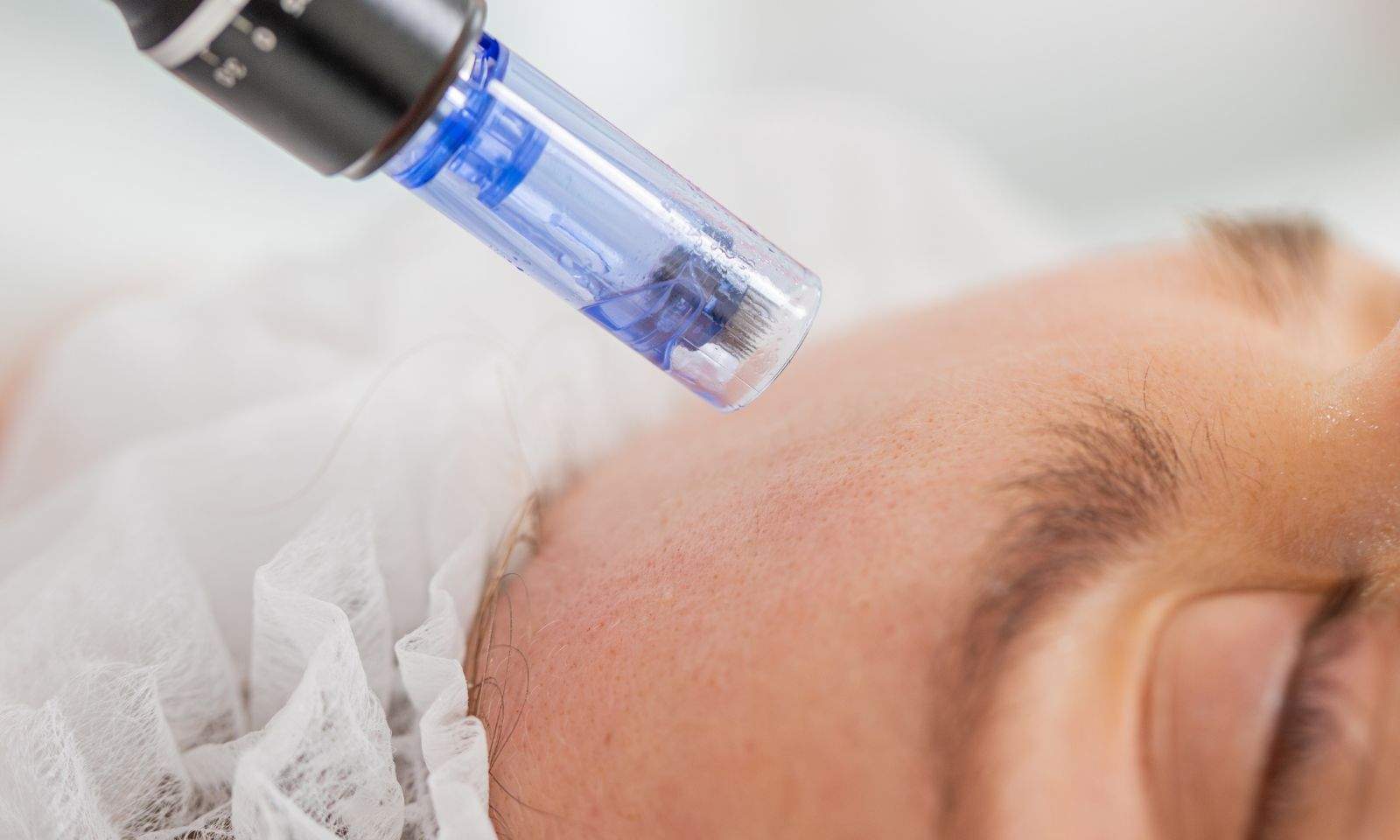

Microneedling treatment can improve skin texture, support collagen production, and address a range of common cosmetic concerns. As techniques and technologies continue to advance, providers can now tailor mcroneedling treatments precisely to different skin needs and treatment goals. Here are several innovative microneedling techniques for enhanced skin texture:
Addressing Texture Concerns
Microneedling effectively addresses a wide range of skin texture concerns, making it a versatile option for individuals seeking improvement. Here are some of the key issues that this treatment can help resolve:
- Acne Scars: Microneedling stimulates collagen production, which can smooth out the appearance of pitted and raised acne scars.
- Fine Lines and Wrinkles: The procedure minimizes the depth and visibility of fine lines and wrinkles by encouraging elastin and collagen synthesis.
- Enlarged Pores: The treatment can reduce pore size by thickening the surrounding skin and improving overall texture.
- Stretch Marks: Microneedling fades stretch marks by breaking down scar tissue and supporting new skin growth.
Through a series of treatments, microneedling can help achieve consistent and long-lasting results, leading to healthier and more refined skin.
Exploring Advanced Approaches
Modern dermatology incorporates advanced technology to enhance standard microneedling procedures. Providers often combine radiofrequency energy with the needles, and this method generates heat beneath the skin. When the deeper layers receive this heat, the tissue-tightening effect increases significantly.
Another innovative technique involves applying specialized serums during the treatment session. The micro-channels allow these topical products to penetrate deeply, and the skin absorbs the active ingredients rapidly. Patients who receive hyaluronic acid or vitamin C infusions often notice a marked improvement in hydration.
Understanding Treatment Expectations
During treatment, patients can expect a systematic and carefully conducted process to optimize outcomes while minimizing discomfort. Here is a breakdown of what generally occurs during such procedures:
- Preparation: The skin is cleansed thoroughly to remove oils, dirt, and makeup, providing a sterile surface for the treatment.
- Topical Anesthetic Application: A numbing cream may be applied to minimize any discomfort during the procedure, depending on the patient’s pain tolerance and the treatment’s intensity.
- Device Calibration: If using an automated pen, the device is adjusted to the appropriate depth and speed based on the area of application and individual skin needs.
- Procedure Execution: The practitioner performs the treatment methodically, providing uniform coverage and precise handling of sensitive areas.
- Post-Treatment Care: A soothing serum or cooling agent is applied immediately after the procedure to reduce inflammation and promote healing.
Practitioners support patient comfort and maximize treatment effectiveness by following these structured steps.
Supporting Lasting Results
Proper aftercare is a fundamental component of achieving long-lasting results. Patients must protect their skin from sun exposure, and they should apply a broad-spectrum sunscreen daily. UV rays can cause unwanted hyperpigmentation.
A consistent skincare routine helps to maintain the newly formed collagen. Skincare professionals recommend using gentle cleansers, and they advise against harsh exfoliants during the initial recovery phase. Once the skin fully heals, individuals can resume their standard topical regimens.
Book Your Microneedling Appointment Today
Microneedling remains a highly effective method for addressing various skin texture concerns. The procedure uses the body’s natural healing mechanisms, and it offers a reliable approach to achieving smoother skin. Contact a trusted medical spa in your area to schedule your microneedling appointment today.
