
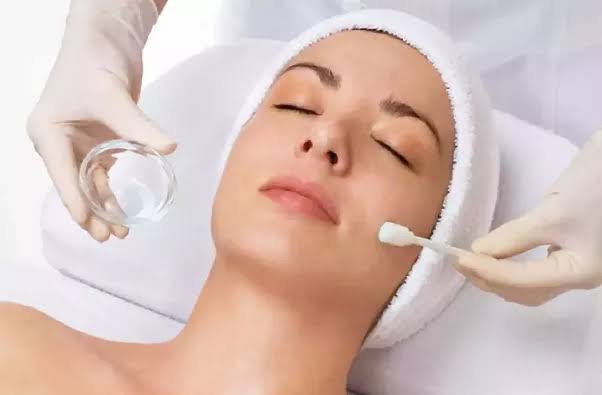

Skin rejuvenation encompasses various treatments designed to restore a youthful appearance. Non-surgical solutions offer alternatives to traditional surgery, and they may appeal to individuals seeking less invasive options. Patients can learn about these treatments to make informed decisions about their dermatological care. Here is more information on skin rejuvenation:
What Is Skin Rejuvenation?
Skin rejuvenation refers to aesthetic procedures intended to improve the skin’s overall texture and tone. These methods target specific layers of the skin, and they stimulate natural cellular processes. The body responds to these targeted applications, forming new collagen and elastin fibers over time. The resulting structural changes help address visible skin irregularities.
Many factors contribute to skin degradation over a patient’s lifetime. Sun exposure breaks down natural proteins, and environmental pollutants cause additional cellular damage. Rejuvenation therapies aim to reverse these effects by triggering the body’s natural healing mechanisms. Providers select specific modalities based on the patient’s unique physiological requirements.
What Is a Non-surgical Solution?
Non-surgical solutions utilize external devices to alter skin tissues without requiring incisions. Morpheus8 is a specific type of these treatments that combines microneedling with radiofrequency energy. The device penetrates the epidermis, and it delivers thermal energy to the deeper subdermal tissue. This combined mechanism bypasses the need for surgical intervention.
What Does It Treat?
Providers use Morpheus8 to address a variety of dermatological concerns across different body areas. The radiofrequency energy targets fine lines, and the microneedling component helps smooth uneven skin textures. Practitioners apply the device to the face or neck. It can also be used on the abdomen or thighs, improving the patient’s overall appearance.
What Does the Process Involve?
The clinical process begins with a preliminary assessment to evaluate the patient’s skin condition. A provider cleanses the treatment area and applies a topical numbing agent to minimize discomfort. The numbing agent may require time to take effect, so patients typically wait for a designated duration before the procedure starts.
During the procedure, the practitioner presses the handheld device against the target area. The micro-pins penetrate the skin while the device emits radiofrequency energy. The provider moves the applicator methodically across the skin, creating an even distribution of thermal energy. A standard session timeline varies depending on the size of the treatment area.
What Are the Benefits?
Non-surgical treatments like Morpheus8 provide specific advantages for suitable candidates. The procedure requires minimal downtime, and patients can typically resume their regular activities shortly after the session. Targeted thermal energy promotes deep tissue remodeling, firming the skin over successive weeks.
The combination of microneedling and radiofrequency may offer measurable clinical outcomes. Patients may experience gradual improvements, with the final results appearing after several months. The clinical benefits extend to various skin types and tones. Additional benefits include:
- Stimulated collagen production.
- Shorter recovery periods than surgical options.
- Customizable treatment depths for different skin types.
- Reduced risk of post-inflammatory hyperpigmentation.
Consult a Specialist Today
Understanding the available options helps patients navigate their dermatological care effectively. Morpheus8 offers a specific non-surgical option that addresses multiple skin concerns through its dual-action technology. Patients should discuss their individual goals with a qualified provider, or they can schedule a formal consultation to determine their candidacy. Contact a certified specialist today to learn more about this procedure.
