
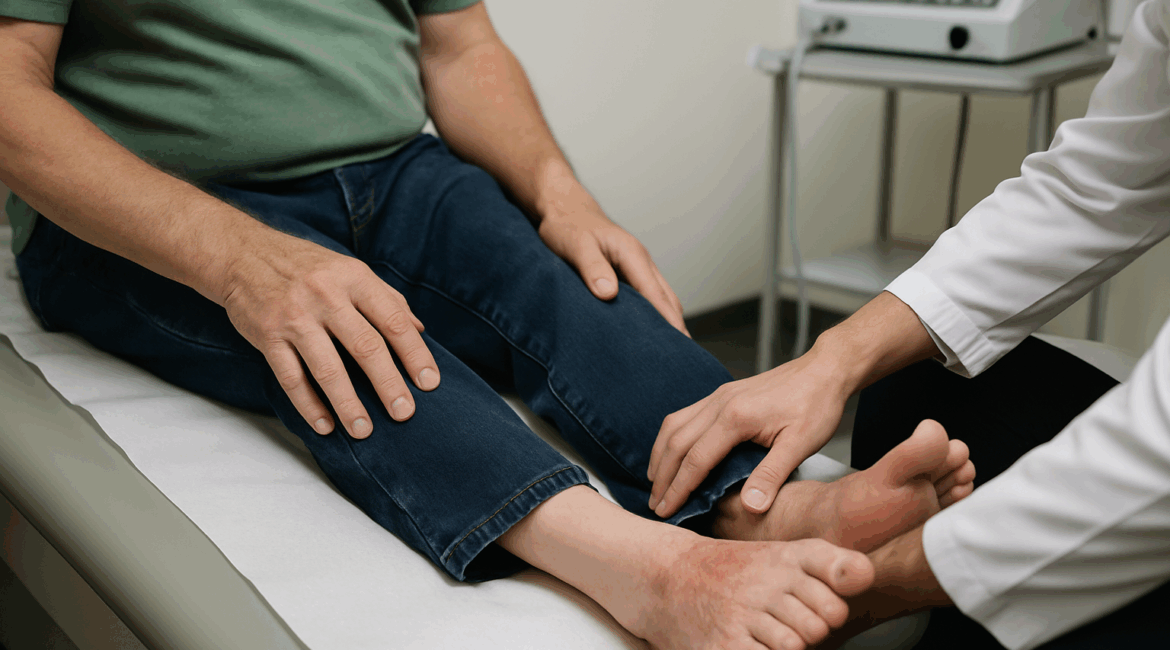

Neuropathy is damage or dysfunction of one or more nerves, often causing numbness, muscle weakness, and pain. Neuropathy conditions usually start in the hands and feet, though other areas may experience issues. The peripheral nervous system connects the brain to the body, and nerve damage disrupts this major communication channel. Here’s information about neuropathy and when you should visit a specialist for your condition:
Understanding the Signs of Neuropathy
Recognizing the signs of nerve damage requires an understanding of nerves and how they work within the body. Nerves are integral to the body’s communication system, transmitting signals between the brain, spinal cord, and other body areas. Nerves operate within the peripheral nervous system and are classified into three main types, but they all work in harmony:
- Sensory Nerves: Sensory nerves carry information from the body to the brain, such as pain, temperature, and touch.
- Motor Nerves: Motor nerves send signals from the brain and spinal cord to control muscle movements.
- Autonomic Nerves: Autonomic nerves regulate involuntary bodily functions like heart rate, blood pressure, and digestion.
The Way Neuropathy Impacts Nerves
Neuropathy disrupts the normal functioning of nerves, impairing their ability to send or receive signals accurately. When the nerves are damaged, communication between the brain and the body becomes unreliable, leading to a variety of symptoms. Damaged sensory nerves may cause tingling, numbness, or pain, while faulty motor nerves can result in muscle weakness or lack of coordination. Autonomic nerve damage may impact key bodily functions like heart rate or digestion. Neuropathy symptoms present differently for each individual, as they depend on what nerves are involved and how damaged they are.
The Common Types and Causes
Peripheral neuropathy is the most frequent form, affecting the nerves outside of the brain and spinal cord. Diabetes frequently causes this condition, though other factors may increase the risk of developing it. Autoimmune diseases, viral infections, bacterial infections, trauma, and specific vitamin deficiencies can also damage peripheral nerves. Exposure to toxins or certain medications may contribute to nerve deterioration over time. Physical injuries can cause immediate nerve damage, but metabolic conditions often damage nerves gradually over time.
Knowing When To Seek Help
Symptoms vary depending on which specific nerves are damaged. People with neuropathy may experience sharp, throbbing, or burning pain in their extremities. Many individuals experience extreme sensitivity to touch or a gradual onset of numbness in their fingers and toes. Motor nerve damage may cause muscle weakness, leading to a lack of coordination or frequent falls. Autonomic nerve damage can manifest as excessive sweating or digestive difficulties.
Early interventions help manage symptoms and prevent further nerve deterioration, so if you experience any nerve-related symptoms, you should visit a specialist. You should seek medical attention if you notice unusual tingling, weakness, or pain in your hands or feet. A specialist, like a podiatrist, can conduct a thorough examination to determine the underlying cause of your pain. Prompt professional evaluation is especially needed if your symptoms appear suddenly or spread rapidly across your body. Specialists utilize specific diagnostic tools, such as electromyography or nerve conduction studies, to evaluate nerve function accurately.
Determining Your Treatment Plan
Treatment for neuropathic conditions focuses on targeting the root cause, which often slows the progression of nerve damage. Medical professionals may recommend lifestyle modifications to support your treatment plan and overall nerve health. Assistive devices like braces, diabetic shoes, or custom made orthotics provide necessary support for affected feet. For certain cases, your provider may recommend advanced solutions like cryotherapy or surgery.
Contact a Neuropathy Specialist
A podiatrist can evaluate what is affecting your lower extremities, and they can determine if neuropathy is present. If you experience persistent symptoms, schedule an appointment with a qualified specialist. They can develop a tailored management plan to support your daily function and overall well-being.
