
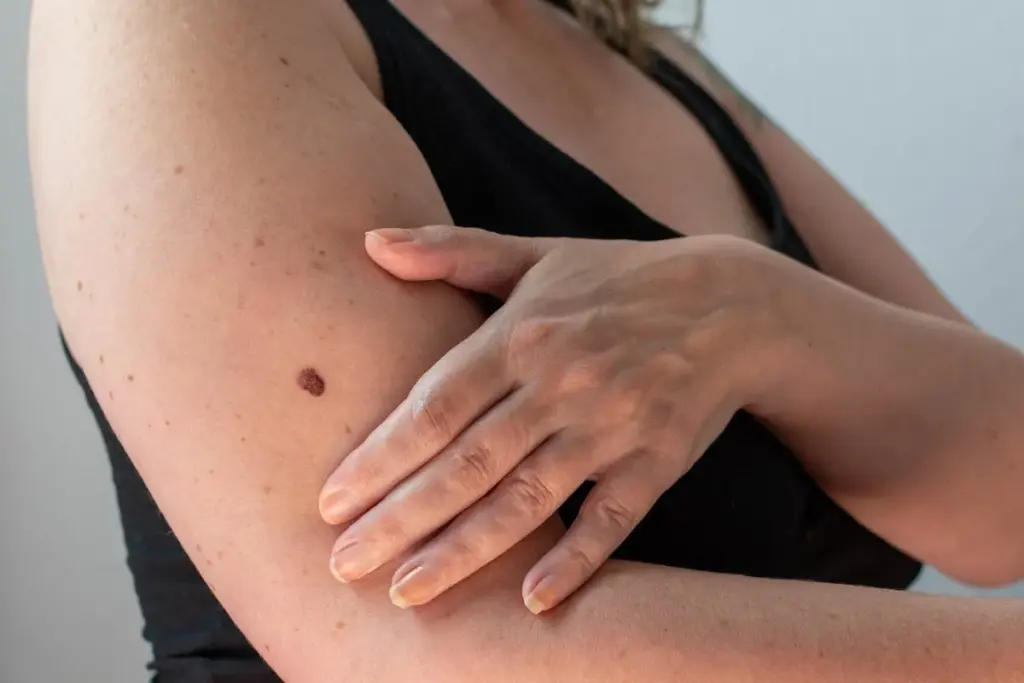

Skin cancer is a form of cancer that can develop in different ways depending on the type of cells involved. Understanding the differences between the main forms of malignant skin conditions can help patients recognize potential warning signs and seek timely medical evaluation when needed. Here is more information on understanding the different types of skin cancer:
Exploring Common Cancer Types
Basal cell carcinoma is a frequent type of sun-induced skin cancer. These tumors usually appear on sun-exposed areas like the face or neck, and they rarely spread to other organs. Even though they do not typically metastasize, they grow locally and may cause extensive tissue damage.
Doctors often treat these basal cell lesions with excisional surgery. Mohs surgery is the gold standard for removing these growths, so specialists frequently use it. Less aggressive tumors may respond well to cryosurgery, which freezes the cells, or to prescribed topical medications.
Squamous cell carcinoma is another frequent category of skin cancer. Ultraviolet light exposure acts as the primary risk factor, and patients generally find these growths on their arms, legs, or scalp. Since squamous cell carcinomas possess the potential to metastasize, surgeons typically perform surgical excision to remove the entire tumor.
Understanding Melanoma
Malignant melanoma is the most dangerous form of skin cancer. Most melanomas appear as asymmetric, dark brown moles and require a distinct medical approach. Specialists treat this malignant skin condition differently for several reasons, including the following:
- Melanoma possesses a much higher risk of spreading to other parts of the body than nonmelanoma types.
- Moles that change in size or shape often indicate melanoma, so doctors closely monitor these specific visual signs.
- More invasive melanomas may benefit from sentinel lymph node removal during surgery.
- Oncologists often participate in the treatment plan when the cancer reaches an advanced stage.
Early detection and surgical removal form the standard of care for melanoma. The vast majority of melanomas require simple surgical excision, but complex cases demand advanced medical interventions.
Recognizing Rarer Cancer Types
Several rare forms of malignant skin conditions exist beyond the common categories. These unusual tumors account for a very small percentage of cases, yet they still require prompt medical evaluation. When a patient develops a rare skin tumor, the dermatologist will perform a biopsy to confirm the exact diagnosis.
Merkel cell carcinoma is a rare disease that appears as firm nodules on sun-exposed skin. This aggressive cancer grows rapidly, and it often spreads to nearby lymph nodes. Sebaceous gland carcinoma originates in the oil-producing glands of the skin. Patients typically notice these rare growths on their eyelids, but the tumors can develop anywhere on the body.
Explaining Why Cancer Type Matters
Diagnosing the exact type of skin cancer is key to creating an effective treatment plan. A head-to-toe screening helps the dermatologist locate suspicious spots, and a biopsy confirms the cellular structure. Once the laboratory tests the biopsy, the medical team will discuss appropriate treatment options with the patient.
Different skin tumors respond to different medical procedures. Doctors may treat a superficial basal cell carcinoma with a topical cream, but they will use surgery for a deep melanoma. Regular skin exams by a physician help detect these conditions early. Patients should also check their own skin, and they should report any changing moles immediately.
Learn More About Skin Cancer
Skin cancer remains a treatable condition when doctors detect the abnormal cells early. Medical professionals categorize these growths into nonmelanoma and melanoma types, and each category requires a specific medical approach. Identifying the exact nature of your malignant skin condition is fundamental to achieving a successful outcome. Contact a qualified dermatologist near you to schedule a consultation and learn more about skin cancer today.
