
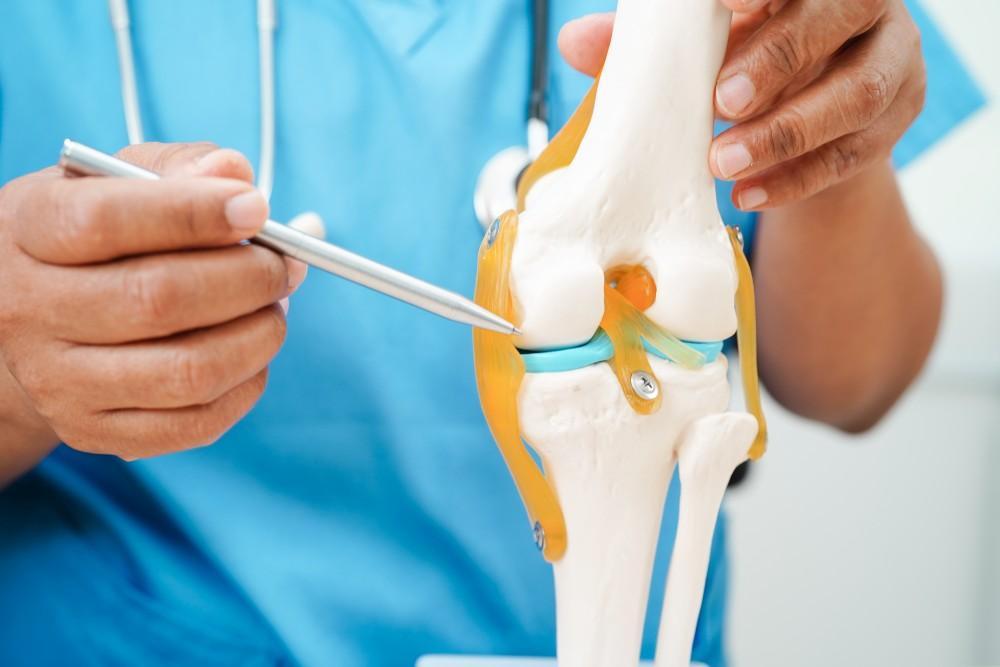

Joint pain affects daily activities, and patients benefit from seeking medical solutions for relief. A total joint replacement is a surgical procedure that offers a reliable treatment option for severe joint damage. Here is more information on this procedure, how it works, why it is conducted, what the process involves, and its benefits:
What Is Total Joint Replacement?
Total joint replacement is an orthopedic surgery that removes damaged bone and cartilage. Surgeons replace these diseased areas with artificial components that replicate the movement of a natural joint. Materials typically include metal, plastic, or ceramic, and they create a smooth gliding surface.
Patients receive this treatment when other medical therapies fail to relieve joint pain. Physicians may try medications or physical therapy first, and they monitor the patient’s progress over time. If non-surgical methods prove ineffective, doctors recommend surgical intervention. Joint replacement provides a structural fix, and it addresses the root cause of the mechanical failure.
How Does It Work?
The artificial joint acts as a mechanical substitute, and it restores the structural integrity of the limb. Surgeons carefully align the prosthetic parts to allow for natural movement. The new joint supports the body’s weight and prevents bone-on-bone friction during activity.
The mechanical components rely on surrounding muscles and ligaments for stability. Physical therapy strengthens these tissues after surgery, and patients gradually regain their range of motion. The joint design mimics human anatomy, providing a functional outcome.
Artificial joints withstand significant physical force, and they distribute weight evenly across the bone. The implant materials resist wear, providing long-lasting joint function. Routine medical check-ups monitor the implant’s stability, and doctors may verify its alignment with X-rays.
Why Is It Conducted?
Orthopedic surgeons recommend this procedure for advanced arthritis. Osteoarthritis degrades the protective cartilage over time, causing severe pain with movement. Joint stiffness limits basic physical functions, and it reduces overall quality of life.
Rheumatoid arthritis triggers joint inflammation, and this autoimmune response damages the surrounding bone structure. Trauma from previous injuries also causes joint degeneration and accelerates cartilage deterioration. Surgery addresses these specific structural failures, providing long-term relief for affected patients.
What Does the Process Involve?
The process begins with a comprehensive medical evaluation. Doctors review medical histories, and they conduct physical examinations to assess joint damage. During the procedure, the surgeon removes the damaged tissue and secures the artificial implant in place. Recovery requires strict adherence to postoperative care instructions, with patients benefiting from attending scheduled follow-up appointments.
What Are the Benefits?
A successful joint replacement reduces chronic pain. Patients experience decreased discomfort during physical activity, and this relief improves their daily functioning. The new joint glides smoothly, eliminating the pain of bone friction.
Mobility restoration is a primary outcome of this orthopedic surgery. Individuals return to walking or swimming, and they regain independence in their routine tasks. The procedure corrects joint deformities and restores the natural alignment of the limb. Overall physical function may increase, facilitating a more active lifestyle.
Consult an Orthopedic Surgeon
Total joint replacement provides a medical solution for severe joint damage. The procedure replaces damaged bone with artificial components, and it restores physical mobility. A proper medical evaluation identifies suitable candidates for this surgery. Contact an orthopedic clinic to schedule an assessment and discuss your specific treatment options with a specialized physician.
