
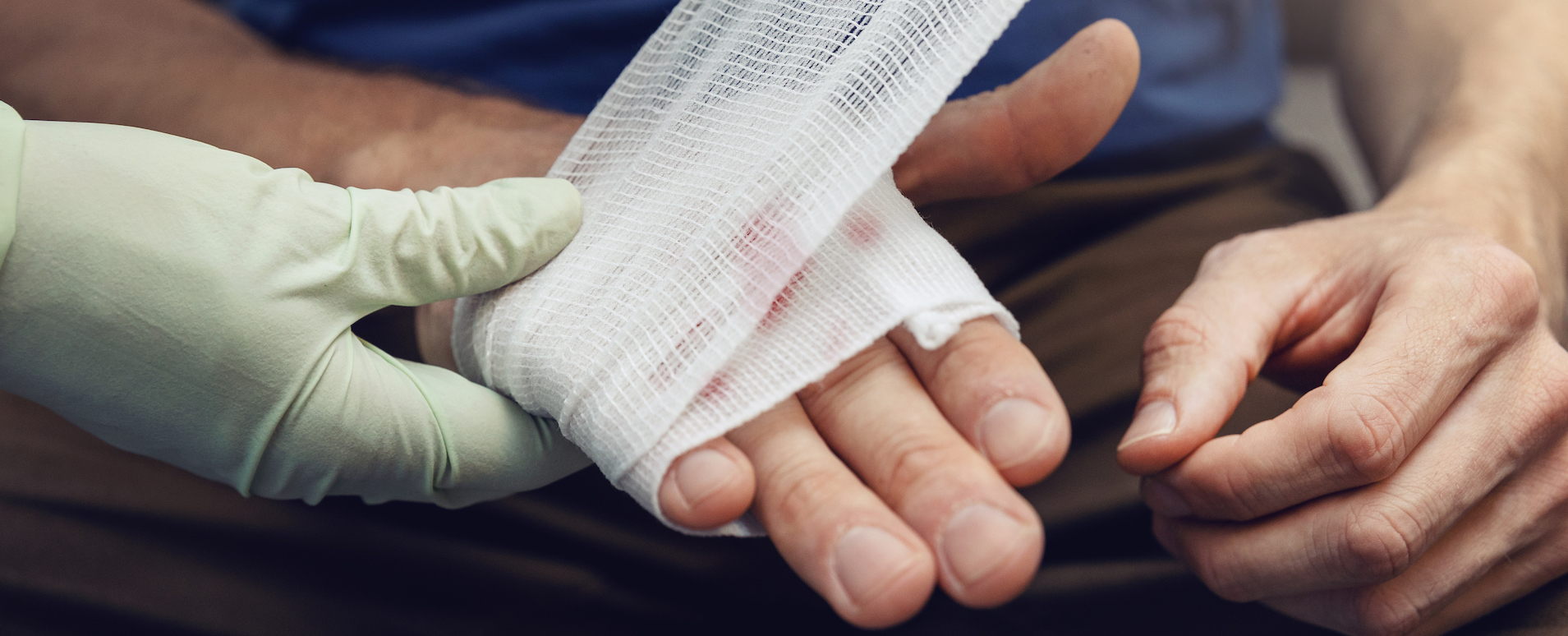

Wound care specialists focus on treating wounds that are slow to heal, infected, or complex enough to need professional attention. They assess wound size, depth, and signs of infection, then build a treatment plan based on what the wound needs. A bad habit at home can undo clinical progress fast. Avoiding poor wound care habits often decreases the time it takes for a difficult wound to heal.
Using Harsh Antiseptics
Many people reach for hydrogen peroxide or iodine at the first sign of a cut, but these substances often damage the healthy tissue that repairs the wound. Because the skin around a wound is already under stress, adding a harsh chemical slows the healing process noticeably. Mild soap and clean water work well for most wounds. A wound care specialist offers other suggestions for how to keep a wound clean.
Cleaning a wound too aggressively is often just as harmful as not cleaning it at all, and the balance is relatively simple. A wound needs gentle cleaning to remove debris without stripping the tissue. When the cleaning method causes visible blanching or stinging that lasts more than a moment, that is a signal to stop and use a gentler approach. A simple wash with water and soap or a single use of an antiseptic wipe is sufficient.
Airing It Out
The belief that wounds need air to heal is common, but it is not usually accurate. Keeping a wound covered with an appropriate dressing maintains the moisture level the tissue needs to rebuild. A moist wound environment speeds cell migration across the wound surface, and an uncovered wound dries out and forms a hard scab that slows that process. Scabbing can slow cellular regeneration.
Failing to Monitor It
A wound that looks fine on day one can change quickly, and missing early signs of infection leads to bigger problems later. Redness beyond the wound edge, increasing warmth, or thick or discolored discharge are signs that warrant a professional evaluation. Monitoring the wound daily is simple, and it gives you the information needed to act early.
Wound size is one of the clearest indicators of progress, so measuring it every few days provides useful data. A wound that is not getting smaller after two weeks of proper care has likely stalled, and stalled wounds need a different approach. These kinds of wounds usually require a specialized approach.
Dressings should also be changed regularly, not just when they look saturated. An old dressing can allow bacteria to grow, which can increase the likelihood for infection. Because dressing intervals vary depending on wound type, following the guidance of a wound care specialist on timing is the most reliable method.
Learn From a Wound Care Specialist
Avoiding common mistakes in wound care can increase the speed of the healing process. When a wound is given a proper environment, patients can avoid difficulties like infection. A wound care specialist can offer methods for proper care, and their recommended methods often speed up healing. Contact a wound care office to schedule an appointment.
