
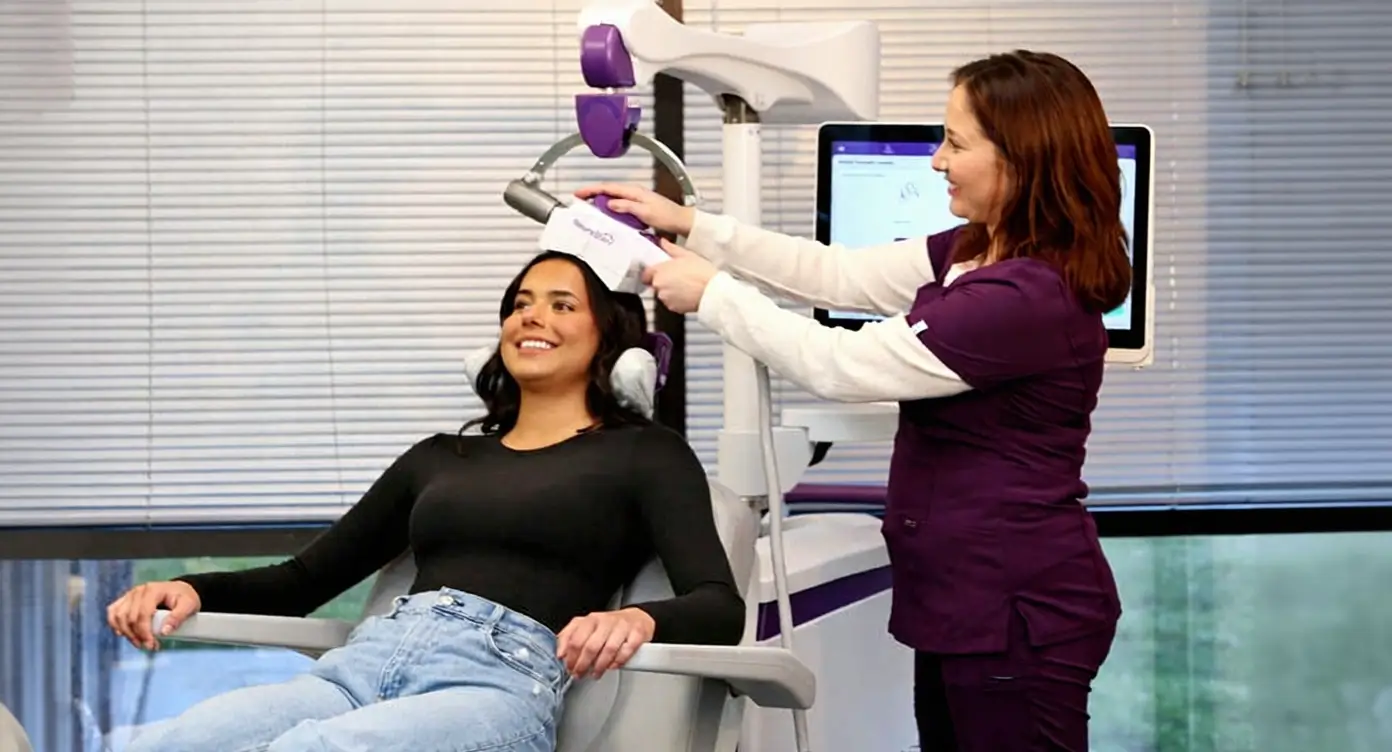

Transcranial magnetic stimulation, or TMS, is an advanced medical therapy. Doctors use magnetic fields to stimulate nerve cells in the brain, and this process helps improve symptoms of major depression. Because the procedure does not require surgery or anesthesia, the procedure is non-invasive, and patients remain awake the entire time. The treatment offers an alternative solution for individuals experiencing persistent mood disorders.
Understanding TMS Therapy
During a session, a specialist places an electromagnetic coil against your scalp. This coil delivers magnetic pulses to targeted areas of the brain, and these pulses activate regions that control mood. TMS works by stimulating neurons that are underactive in depression. The stimulation restores function to the neural pathways.
The therapy creates a highly focused magnetic field, which passes freely through the skull. It targets the brain regions responsible for mood regulation. The exact biological mechanisms remain under study, but doctors know the stimulation causes beneficial changes in brain activity.
Experiencing the Procedure
Before the first session begins, the doctor determines your symptoms and the type of TMS treatment you will receive. You can typically eat and drink normally before your treatment, and you should wear comfortable clothing. During the appointment, you will go through a few basic steps:
- You sit in a comfortable chair.
- You wear earplugs to block a clicking sound.
- You feel a tapping sensation on your head.
The magnetic pulses produce a loud clicking noise, so the earplugs protect your hearing.
The treatment is outpatient and not invasive, so you can drive yourself home afterward. Some providers may recommend that you arrange for someone to drive you home after your first appointment. You can return to your normal daily activities right away.
Reviewing Treatment Results
Many individuals experience noticeable improvements in their mood after a few weeks. Symptoms decrease over time, and some patients achieve full remission from their depression. Because everyone responds differently, your doctor tracks your progress throughout the course. Regular check-ins allow the medical team to adjust the treatment plan.
Identifying Treatment Candidates
When medications fail to relieve symptoms, a doctor might recommend this therapy. You could be a candidate if you have major depressive disorder, and you will undergo a thorough medical evaluation first. Doctors look for certain signs before prescribing the sessions:
- Lack of response to standard antidepressants.
- Intolerable side effects from oral medications.
- Desire to avoid systemic medical treatments.
A full course of treatment lasts six weeks, with treatment occurring five days a week. Sessions typically last up to 40 minutes, and some patients undergoing accelerated treatment may have multiple sessions in one day. Side effects of treatment include mild facial twitching and headache. These symptoms are mild and usually subside after you become more accustomed to the treatment.
Learn More About TMS Treatment
Transcranial magnetic stimulation provides a safe alternative for treating depression. The therapy uses magnetic pulses to activate brain cells, and patients experience minimal discomfort during the outpatient sessions. If you want to learn more about TMS treatment and its benefits, consult a psychiatrist near you.
